Amazon Wants Invoice Verification You Don't Have? Here's What to Do
The Account Was Running Fine Until Amazon Asked For Documents
One of the most stressful things for Amazon sellers is opening Seller Central and suddenly seeing an invoice verification request. Products may stop selling, listings may get restricted, payouts may be delayed, and the whole account can feel frozen until Amazon approves the documents.
This becomes especially frustrating because many sellers do not have the exact invoice Amazon wants.
Some sellers buy inventory from wholesalers without formal paperwork. Others use retail arbitrage, liquidation stock, old inventory, or suppliers that only provide receipts instead of proper invoices.
That leaves you trying to figure out whether the account can still be recovered without the exact documents Amazon requested.
The important thing to understand is that Amazon usually asks for invoices because it wants proof that the products are legitimate, authentic, and sourced from a real supplier.
Why Amazon Requests Invoice Verification
Most invoice verification requests happen because Amazon sees something risky about the account or inventory.
For example, selling branded products without a clear supplier, listing items in restricted categories, using new suppliers, changing product types suddenly, or receiving authenticity complaints can all increase invoice risk.
The same thing can happen if there are too many returns, customer complaints, counterfeit claims, or large increases in sales volume.
Amazon wants to know where the inventory came from.
If the sourcing looks unclear, unusual, or inconsistent, the platform often asks for invoices before allowing the listings to continue.
The Biggest Mistake: Uploading Weak Or Unrelated Documents
One of the biggest mistakes sellers make is uploading random screenshots, edited files, fake documents, or invoices that do not match the products Amazon asked about.
That usually makes the situation worse.
If Amazon sees mismatched supplier names, altered dates, missing addresses, or product descriptions that do not align with the listings, the account can become even more restricted.
The stronger approach is using the best real documentation you have.
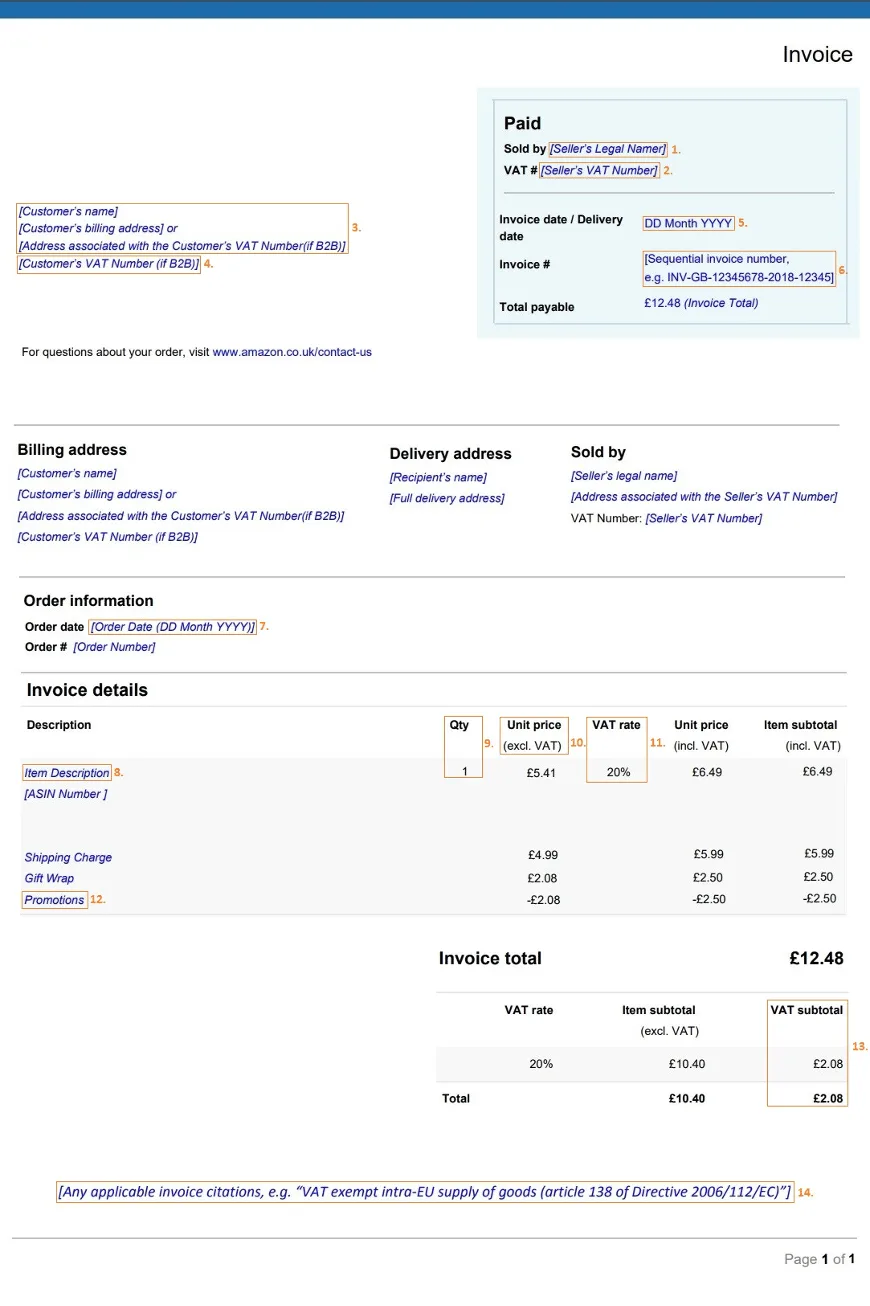
For example, supplier invoices, purchase orders, receipts, email confirmations, bank statements, shipping records, or wholesale agreements can all help support the case if they match the products Amazon is reviewing.
What To Do If You Do Not Have The Exact Invoice
If you do not have the exact invoice Amazon requested, the best approach is gathering alternative proof of purchase.
That may include receipts, supplier emails, payment confirmations, shipping labels, order histories, contracts, inventory photos, or anything else that proves where the products came from.
You should also contact the supplier and ask whether they can issue a more formal invoice with the business name, address, product details, and dates Amazon expects.
Even if the supplier only gave a receipt originally, they may still be able to provide stronger paperwork afterward.
Why Retail Arbitrage Creates More Problems
A lot of invoice issues happen because sellers rely on retail arbitrage.
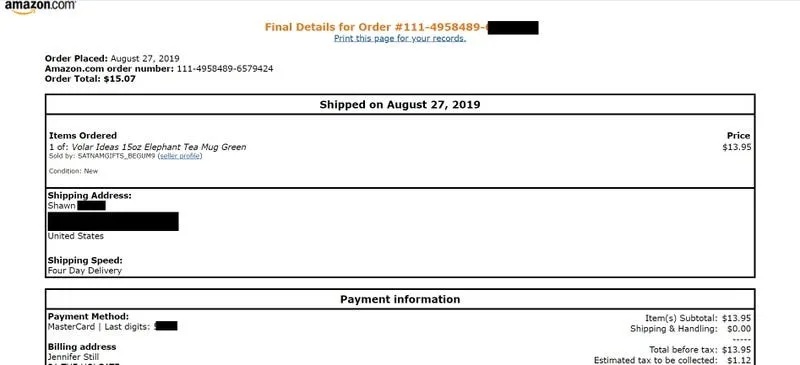
Buying products from retail stores, discount chains, liquidation sales, or clearance stock may work for inventory sourcing, but those receipts often do not meet Amazon’s verification standards.
Amazon usually prefers invoices from wholesalers, distributors, manufacturers, or official suppliers.
That does not mean retail arbitrage is impossible.
It means the documentation is usually weaker, which increases the risk of future invoice requests.
Why Better Systems Reduce Verification Risk
Invoice verification problems become much harder to manage when supplier records, invoices, receipts, order histories, and account notes are spread across different systems. You may have one place for inventory purchases, another for supplier emails, another for bank payments, and another for Amazon account notes. That makes it difficult to find the exact documents Amazon wants when problems happen.
This is one of the reasons Appilot becomes useful when e-commerce operations start scaling. Instead of keeping browser workflows, Android automations, supplier records, invoice histories, inventory notes, account reviews, and task logs spread across different systems, everything can stay visible from one dashboard. That makes it easier to organize supplier paperwork, track invoice history, review risky products, and reduce the chance of future verification problems across multiple Amazon accounts.
Conclusion: Amazon Usually Requests Invoices When Product Sourcing Looks Unclear
If Amazon is asking for invoice verification you do not have, the issue is usually not that the platform randomly decided to restrict the account. The problem is often that the sourcing looks unclear, the supplier records are weak, or the products do not have enough proof of authenticity.
Once you gather stronger documentation, organize supplier records, request better invoices, and avoid weak sourcing methods, it becomes much easier to recover the account and reduce the risk of future verification requests.