Anti-Detect Browsers vs Proxy Rotation: Which Stealth Method is Better?
When people want to stay anonymous online, manage multiple accounts, reduce tracking, or run automation more safely, two methods appear repeatedly in the discussion: anti-detect browsers and proxy rotation.
These methods are often compared because both aim to improve stealth, but they operate at completely different layers.
One changes browser identity while the other changes network identity.
Understanding this distinction is critical because modern detection systems evaluate both layers.
This guide explains what each method actually does, where it works best, and where it falls short.
Understanding the Core Difference
The most important difference is simple.
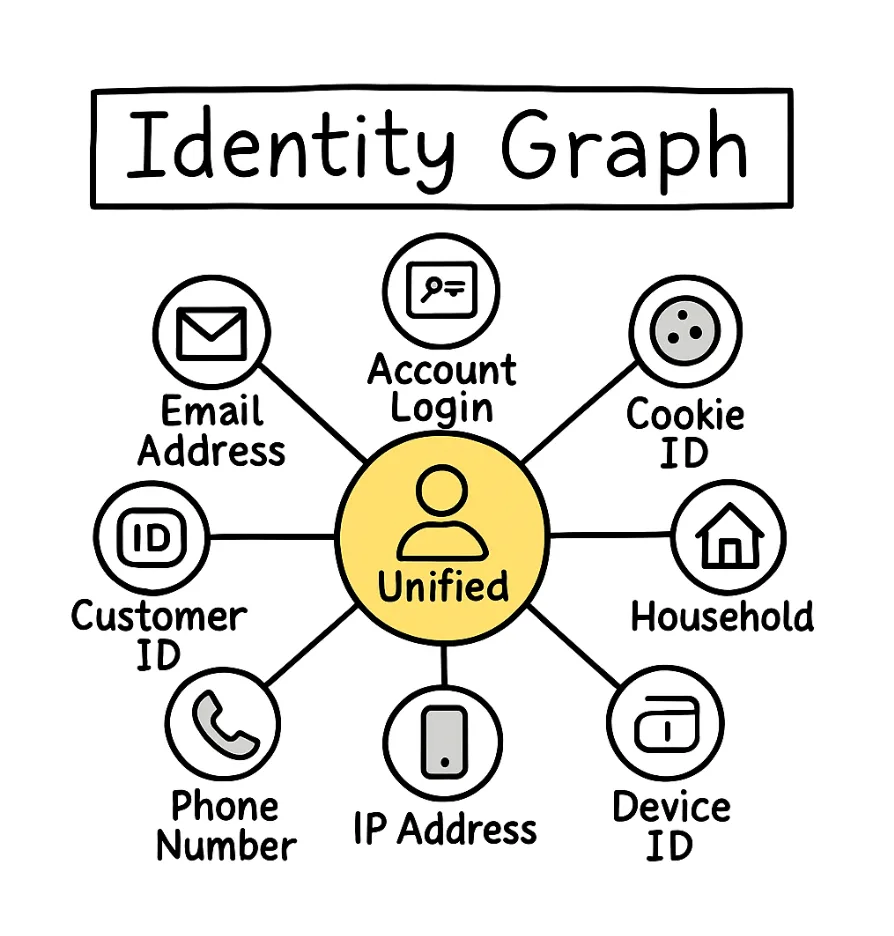
Anti-detect browsers modify browser-level identity while proxy rotation modifies network-level identity.
Detection systems evaluate both.
If one layer is protected but the other remains exposed, it is still possible to correlate behaviour.
What Are Anti-Detect Browsers?
Anti-detect browsers are specialised browser environments designed to mask or modify browser fingerprints, create isolated browser profiles, and simulate different devices or environments.
Each profile appears as a separate user.
They are commonly used for managing multiple accounts, reducing fingerprint-based tracking, and simulating different operating systems or device setups.
Popular examples include entity["software","GoLogin","Anti-detect browser"], entity["software","Multilogin","Anti-detect browser"], and entity["software","Dolphin Anty","Anti-detect browser"].
How Anti-Detect Browsers Work
Anti-detect browsers typically isolate cookies, local storage, user agents, screen resolution, canvas fingerprints, WebGL fingerprints, and hardware signals.
Each profile behaves like a separate browser installation.
Pros
Anti-detect browsers provide strong protection against fingerprint tracking, make multi-account handling easier, and require less deep technical setup.
Cons
The downside is that IP addresses remain unchanged unless proxies are added.
Most serious use cases require paid tools, and anti-detect browsers are not designed for high-volume automation by themselves.
Anti-detect browsers protect who the browser claims to be rather than where the traffic comes from.
What Is Proxy Rotation?
Proxy rotation focuses on changing IP addresses.
Instead of modifying browser characteristics, it changes the network origin.
It is widely used for web scraping, large-scale automation, geo-targeting, and avoiding IP bans.
How Proxy Rotation Works
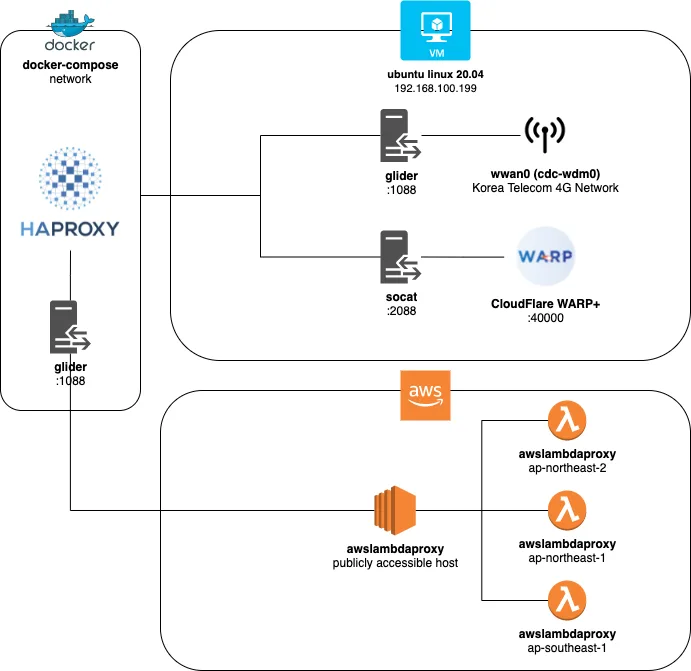
Proxy systems route traffic through residential IPs, mobile IPs, or datacenter IPs.
Rotation can happen on every request, every session, or at timed intervals.
Pros
Proxy rotation provides strong IP anonymity, is essential for scraping, scales well with infrastructure, and enables geo-targeting.
Cons
The downside is that it does not hide the browser fingerprint.
Proxy quality varies heavily by provider, and costs can increase significantly at scale.
Proxy rotation protects where the traffic comes from rather than how the browser behaves.
Feature-by-Feature Comparison
Stealth & Detection Resistance
Anti-detect browsers hide browser fingerprints.
Proxy rotation hides IP addresses.
Modern detection systems usually evaluate both.
Setup & Maintenance
Anti-detect browsers are generally easier for beginners.
Proxy rotation requires more understanding of proxy types, rotation logic, and limits.
Automation Compatibility
Anti-detect browsers are useful for manual or semi-automated workflows.
Proxy rotation is much stronger for scraping and high-volume scripts.
Cost & Scalability
Anti-detect browsers scale based on the number of profiles.
Proxy rotation scales based on bandwidth usage and IP-pool size.
Ideal Use Cases
Anti-detect browsers are useful for multi-account marketing, affiliate workflows, and social media management.
Proxy rotation is useful for scraping, large-scale automation, and accessing geo-restricted content.
Scenario-Based Recommendations
Scenario 1: Managing Multiple Accounts in Separate Browser Environments
The best choice is anti-detect browsers.
They provide profile isolation, unique fingerprints, and separate session storage.
However, proxies are still needed if IP-based tracking matters.
Scenario 2: Large-Scale Scraping Requiring IP Rotation
The best choice is proxy rotation.
It prevents IP blocking and enables high-volume access.
However, the browser fingerprint still remains constant.
Scenario 3: Maximum Stealth
The best choice is combining anti-detect browsers with proxy rotation.
This provides fingerprint isolation and IP diversity while reducing cross-layer correlation.
The trade-off is higher cost and more operational complexity.
Scenario 4: Automation on Real Mobile Devices
An alternative here is Appilot.
Appilot is useful because it runs automation on real Android devices, avoids relying on browser fingerprint spoofing, and creates more natural mobile interaction patterns.
However, it is focused on mobile automation and may still require proxy infrastructure at scale.
Scenario 5: Mobile-First Platforms
For mobile-first platforms, real-device execution with tools such as Appilot can be more useful.
Real Android devices provide native device signals and realistic mobile behaviour.
However, this still does not replace browser-based anti-detect environments, and network configuration still matters.
Final Verdict
Anti-detect browsers and proxy rotation are not competitors.
They protect different identity layers.
Anti-detect browsers focus on browser fingerprints while proxy rotation focuses on network identity.
For many real-world workflows, they work best together.
The right choice depends on whether the main risk comes from fingerprinting, IP tracking, or both.
Understanding the detection surface is what determines the correct solution.
FAQs
Are anti-detect browsers better than rotating proxies?
No. They solve different problems.
Can proxy rotation prevent fingerprint tracking?
No. It only changes IP addresses.
Do anti-detect browsers include proxies?
They may support proxy integration, but they do not rotate IPs by default.
Is proxy rotation necessary for scraping?
Usually yes, especially at scale.
Can beginners use anti-detect browsers?
Yes. They are generally easier than managing proxy infrastructure directly.