Automated for 3 Months, No Results? Here's Why
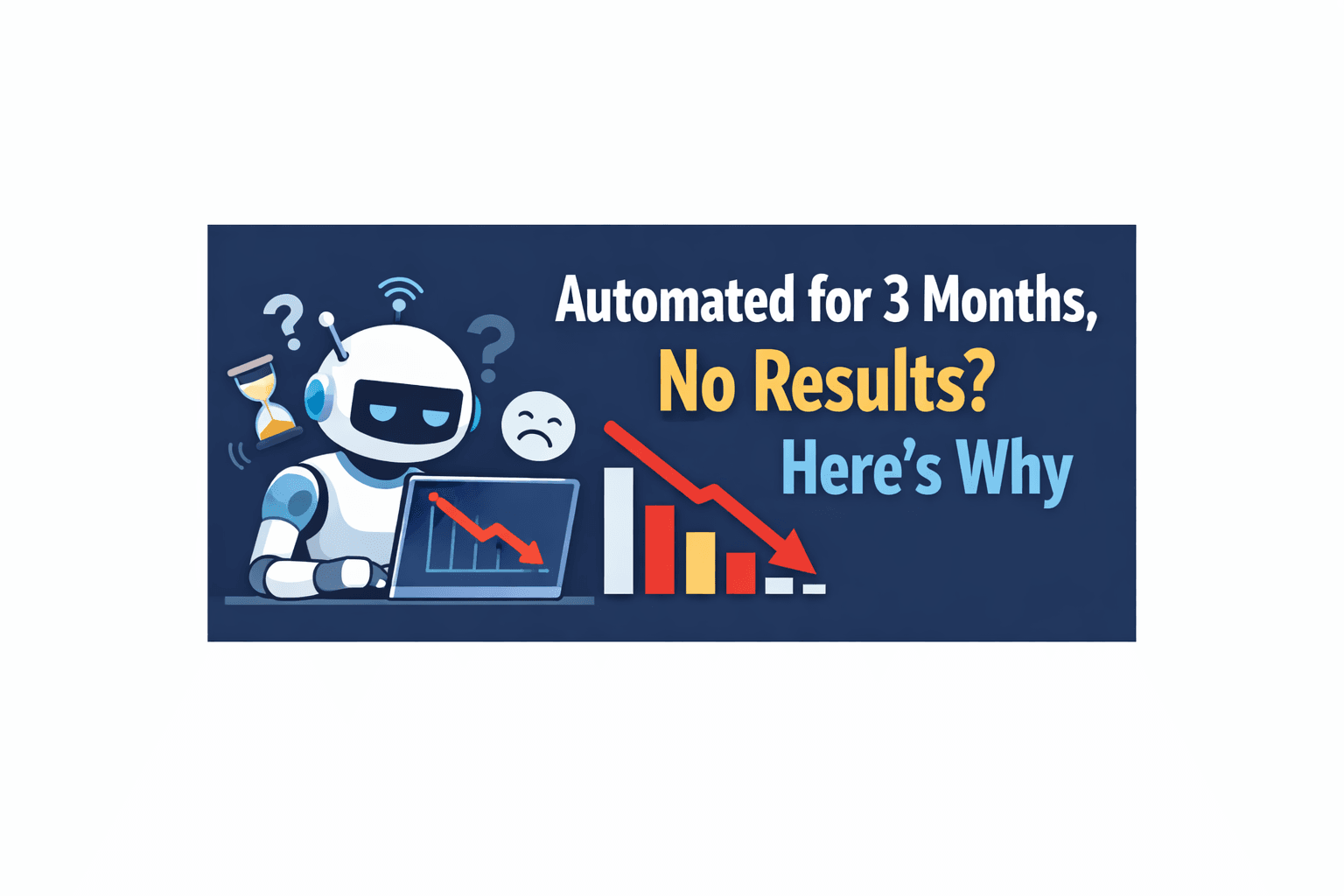
Automation Does Not Automatically Create Results
A lot of people assume that once they automate something, results will follow automatically.
They schedule posts, launch browser workflows, automate account actions, scrape leads, warm up profiles, and build complex systems expecting growth to happen on its own.
Then three months pass and nothing changes.
The automation is technically working. Content is still going out. Accounts are still active. Workflows are still running.
But engagement is flat, leads are weak, growth is slow, and the business still feels stuck.
That is one of the most frustrating situations in automation because the system looks busy, but the results are not there.
The issue is usually not that automation does not work.
The problem is that people automate activity instead of automating what actually drives results.
Why Automation Often Fails To Produce Growth
Most failed automation systems have one thing in common.
They are optimized for volume instead of effectiveness.
People focus on posting more, sending more messages, warming more accounts, scraping more leads, creating more browser profiles, or publishing more content.
But more activity does not always mean better results.
You can automate one hundred posts and still have weak engagement if the content is poor.
You can scrape thousands of leads and still have no conversions if the targeting is wrong.
You can warm up dozens of accounts and still struggle if the accounts are not connected to a real strategy.
Automation only makes the existing process faster.
If the process itself is weak, automation just scales the weakness.
The Biggest Mistake: Automating Before The Process Is Proven
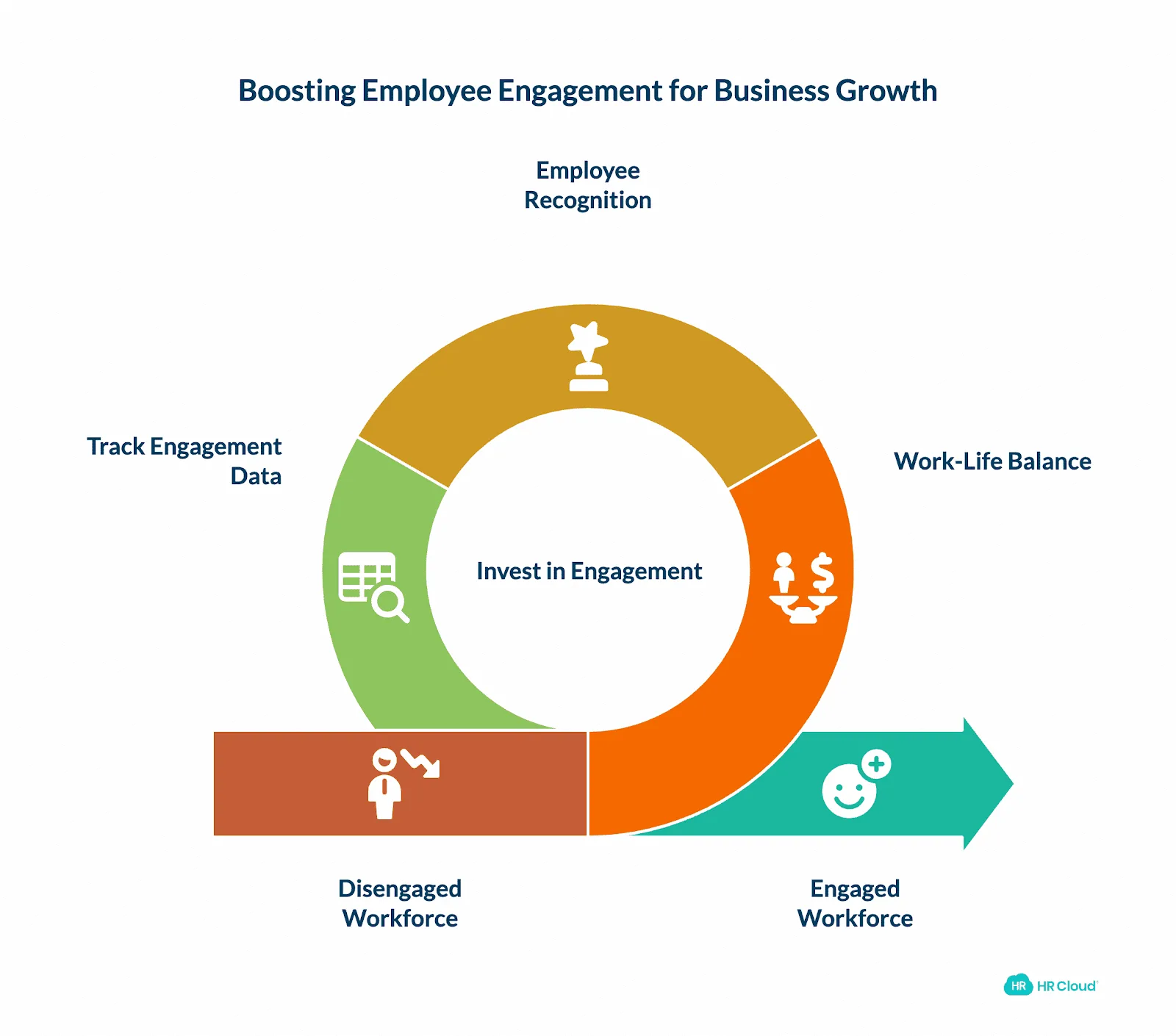
One of the biggest reasons automation fails is because people automate too early.
They build complicated systems before they know what is actually working.
For example, someone may automate cold outreach before testing which message gets replies.
Someone else may automate content before understanding which topics perform well.
Another person may automate account warm-up without knowing which platforms, proxies, or browser setups are safest.
That creates a situation where the automation runs perfectly, but the strategy underneath it is still weak.
Before you automate something, you need proof that the manual version already works.
If a content style gets strong engagement manually, then automate it.
If a lead generation workflow converts well manually, then automate it.
If an account setup survives bans and restrictions manually, then automate it.
Automation should scale proven systems, not replace testing.
Why Activity Can Hide Bigger Problems
Automation can create the illusion of progress because the system always looks busy.
You see browser profiles running, content publishing, reports updating, accounts warming, and workflows completing.
That makes it feel like momentum is happening.
The problem is that busy systems can still produce weak results.
You may be posting content every day, but the content may not match what the audience wants.
You may be scraping leads every week, but the leads may be low quality.
You may be running dozens of workflows, but none of them may be tied to a clear business outcome.
That is why it is important to measure the right things.
Instead of only tracking how many tasks ran, you should also track what actually improved.
Did engagement increase?
Did replies increase?
Did leads improve?
Did sales improve?
Did bans decrease?
Did content perform better?
If the answer is no, then the problem is usually not the automation itself.
The problem is that the automation is focused on the wrong activity.
The System That Actually Creates Results
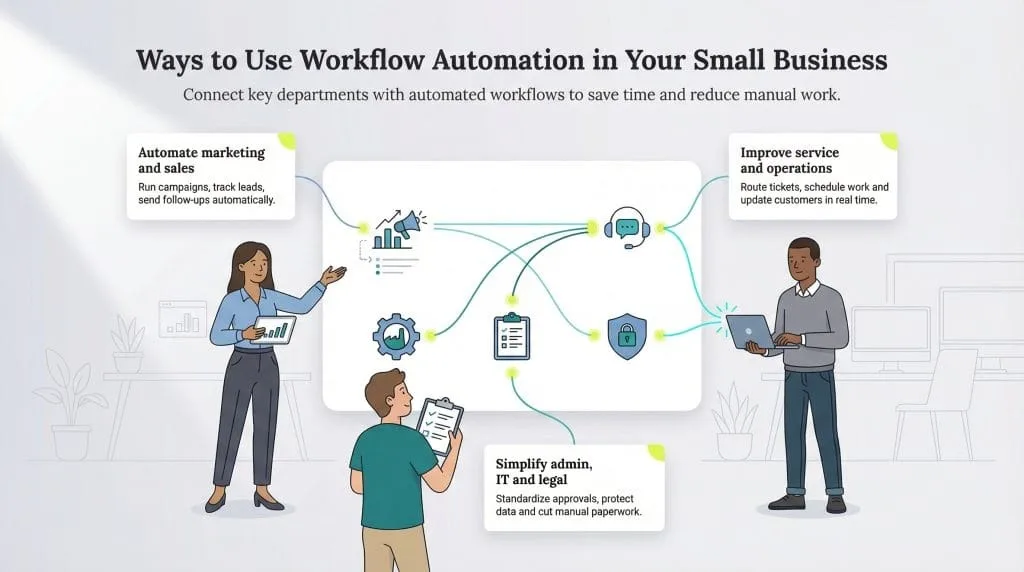
The easiest way to make automation more effective is to connect every workflow to a specific outcome.
Do not automate content just to stay active. Automate content to increase engagement, drive clicks, or build authority.
Do not automate outreach just to send more messages. Automate it to generate more qualified replies.
Do not automate browser profiles just to scale account volume. Automate them to reduce bans, save time, or improve stability.
Every workflow should have a purpose.
Another important step is reviewing performance regularly.
If something is not producing results after weeks or months, do not just keep scaling it.
Stop, review the numbers, identify what is weak, and fix the process before adding more automation.
That is what separates useful automation from busywork.
Why Centralization Makes This Easier
It is much harder to understand why automation is failing when workflows, schedules, content, browser profiles, reports, and account data are spread across multiple tools.
You may have one system showing posting activity, another showing account health, another tracking outreach, and another tracking results.
That makes it difficult to see which workflows are actually creating value.
This is one of the reasons Appilot becomes useful when automation starts scaling.
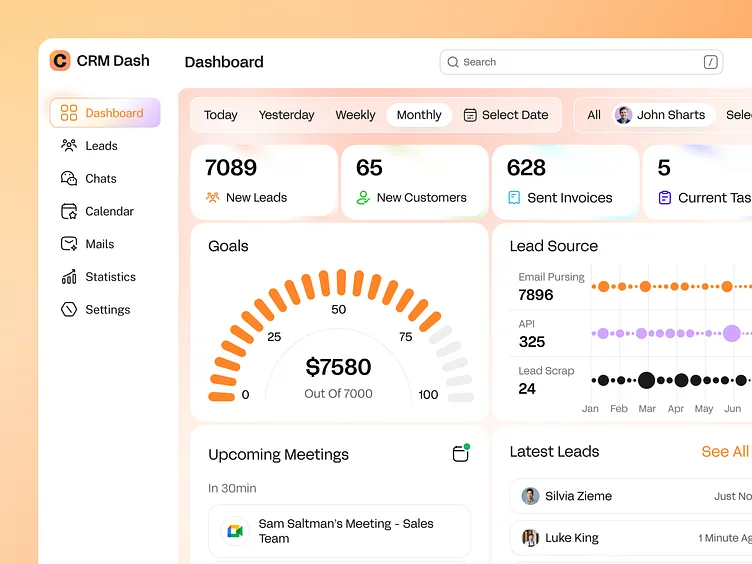
Instead of keeping browser profiles, Android workflows, schedules, account assignments, and task history spread across different systems, everything can stay visible from one dashboard. That makes it easier to compare activity against results, identify weak workflows, and see which automations are actually helping the business.
Conclusion: Automation Only Works When The Underlying Strategy Works
If you have been automating for three months with no results, the issue is usually not the automation itself.
The problem is that the system is optimizing for activity instead of outcomes.
Once you connect automation to real goals, track meaningful metrics, and only scale workflows that are already proven to work, automation becomes much more valuable.
That is what allows you to stop looking busy and start creating real results.