Burned Out from Manual Account Management? Here’s the Way Out
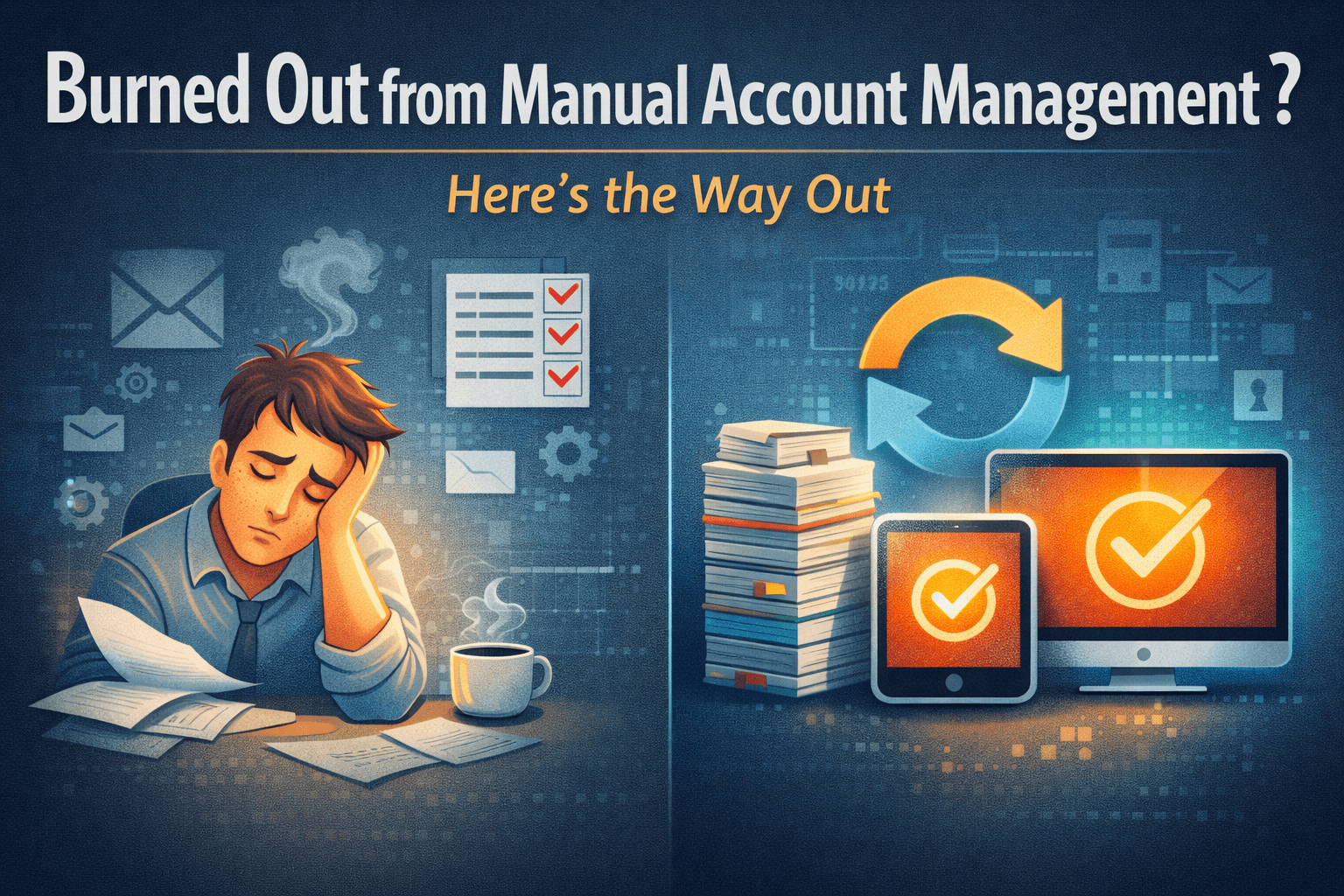
At the beginning, managing accounts manually feels manageable, even productive, because you have full control, you know exactly what is happening, and everything moves at a pace you can keep up with, but as the number of accounts grows, what once felt simple starts to feel overwhelming.
You find yourself logging in and out repeatedly, switching between profiles, checking statuses, performing the same actions again and again, and trying to keep track of everything without missing anything important, which becomes increasingly difficult as complexity increases.
Days start to blur together, filled with repetitive tasks that demand constant attention but offer little progress, and despite working longer hours, it feels like you are not actually moving forward, just maintaining the system.
The real frustration is not just the workload, but the realization that this is not scalable, because every new account adds more manual effort, more complexity, and more pressure, making growth feel like a burden instead of an opportunity.
You are not alone in this, and more importantly, this is not a personal limitation, it is a structural problem, because manual account management is not designed to scale.
The good news is that there is a way out, and once you understand why manual processes lead to burnout and how to replace them with a system that works for you, you can regain control of your time and your business.
Why Manual Account Management Leads to Burnout
Burnout does not happen suddenly, it builds over time as repetitive tasks accumulate and systems fail to scale.
Repetition Without Leverage
Manual tasks require the same effort every time, which means that no matter how much experience you gain, the workload does not decrease.
Constant Context Switching
Switching between accounts, tools, and workflows creates mental fatigue, making it harder to focus and increasing the likelihood of mistakes.
No System-Level Control
Without a structured system, everything depends on your actions, which means that any interruption or delay affects the entire workflow.
Scaling Increases Pressure
As you add more accounts, the workload grows linearly, or even exponentially, creating a situation where growth becomes unsustainable.
The Hidden Cost of Staying Manual
Manual account management does not just consume time, it limits your ability to grow, because your capacity is tied directly to how much work you can handle personally.
You spend more time maintaining operations than improving them, which prevents you from building systems that could make your work easier.
More importantly, it creates long-term fatigue, reducing productivity and increasing the risk of errors.
The Complete Solution: Replace Manual Work with Systems
The way out of burnout is not working harder, but changing how work is done.
The first step is identifying repetitive tasks, the actions you perform repeatedly across accounts, because these are the easiest to automate.
Once identified, the next step is standardizing workflows, ensuring that tasks follow a consistent process rather than being handled differently each time.
Automation becomes the key layer here, because it removes the need for manual execution and allows tasks to run independently.
A practical way to implement this is by using a platform like Appilot, which enables you to automate account workflows on real devices, reducing manual effort and improving efficiency.
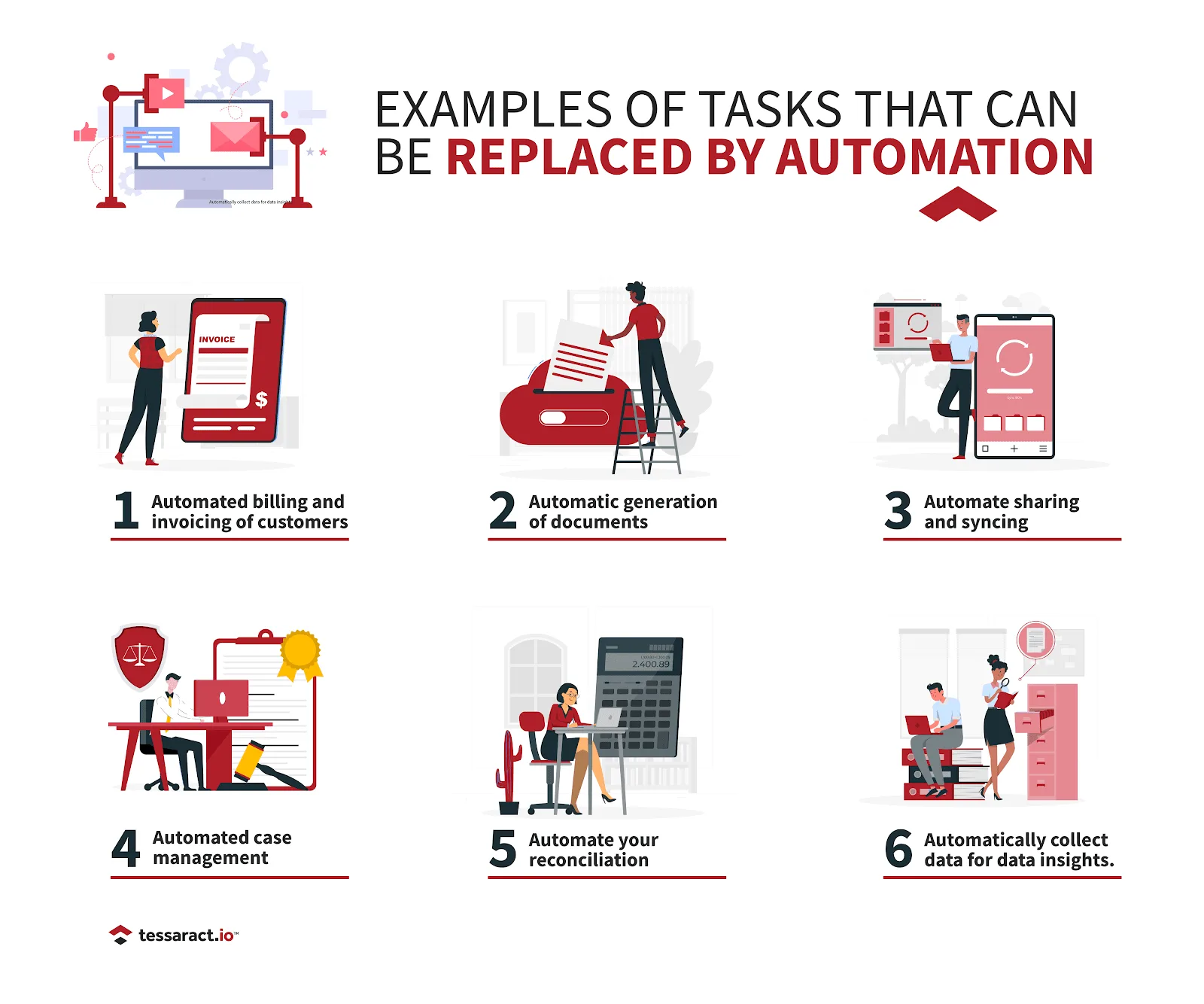
By combining standardized processes with automation, you create a system where tasks are handled consistently without requiring your constant involvement.
The final step is introducing monitoring, ensuring that you can oversee your system without manually checking every detail.
How to Prevent Burnout From Returning
Prevention starts with maintaining a system-first approach, ensuring that new accounts and workflows are integrated into your system rather than adding manual work.
Regular reviews help you identify areas where manual tasks are creeping back in, allowing you to address them early.
Automation ensures that repetitive work remains efficient and scalable.
Common Mistakes That Keep You Stuck
One of the most common mistakes is trying to optimize manual work instead of replacing it, which only provides temporary relief.
Another is overcomplicating automation, which can create new challenges instead of solving existing ones.
There is also a tendency to delay system building, focusing on immediate tasks instead of long-term solutions.
Real Success Stories: Before and After
A user managing multiple accounts manually found themselves overwhelmed and unable to scale, spending most of their time on repetitive tasks.
After implementing automation using Appilot, they were able to reduce manual workload significantly and focus on higher-level activities.
Another example involved a team that struggled with manual processes, but after restructuring their system, they achieved greater efficiency and reduced stress.
Frequently Asked Questions
One common question is whether automation can handle all tasks, and while not everything can be automated, a significant portion can be, reducing workload.
Another question is how long it takes to transition, and while it requires effort, the benefits are immediate once systems are in place.
There is also the concern about complexity, and a well-designed system simplifies operations rather than complicating them.
Conclusion: Take Back Control of Your Time
If you are burned out from manual account management, it is not because you are doing something wrong, but because your system is not designed to scale.
Once you shift from manual execution to structured automation, you create a system that works for you rather than the other way around.
If you are dealing with this right now, the best step forward is not to push through the workload, but to change how it is handled, because once you do, you will not just reduce burnout, you will unlock the ability to grow without limits.