Can’t Find Good Team Members Who Understand Automation (And How to Fix It)
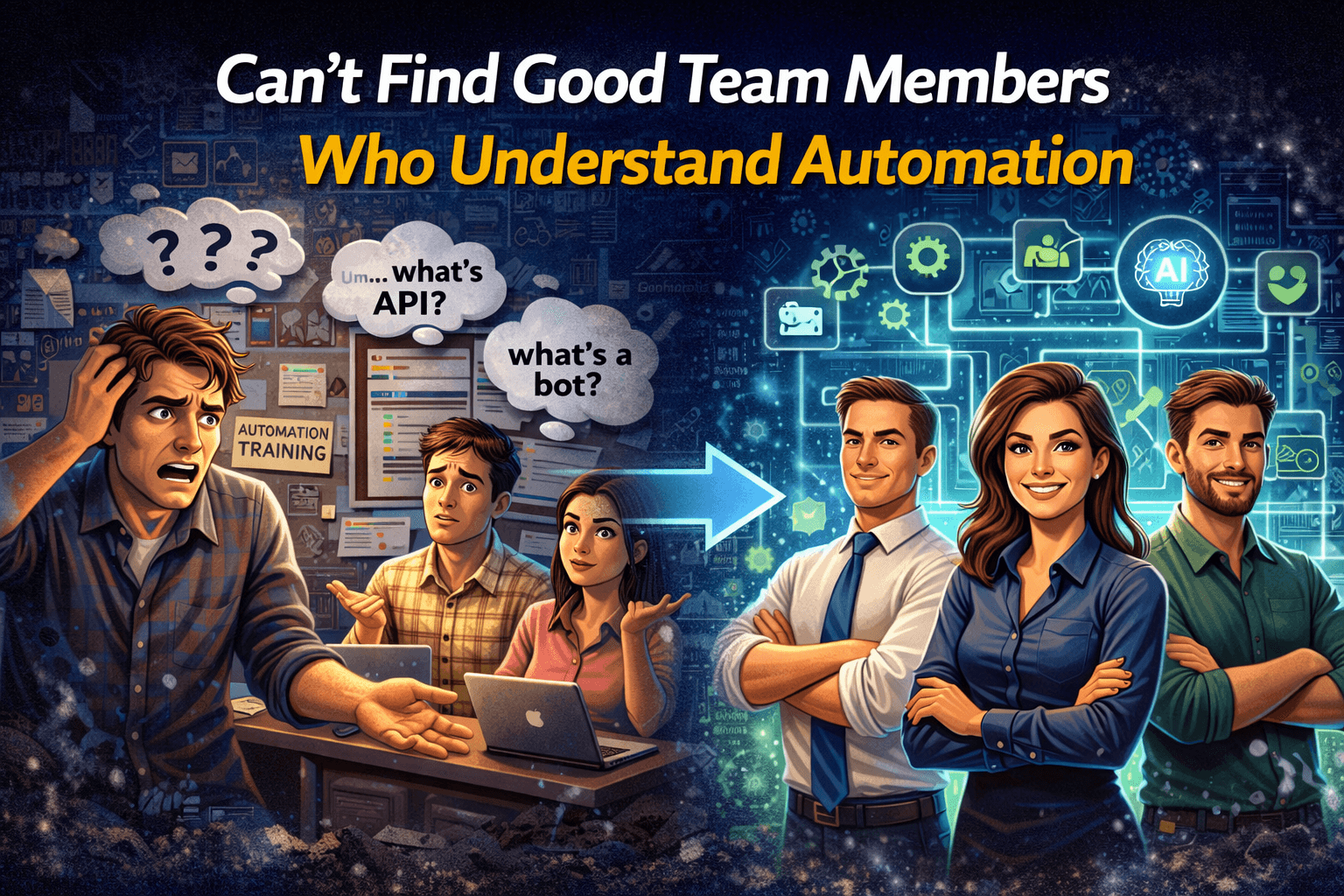
You start hiring with a clear goal in mind, you need people who understand automation, who can handle workflows, manage tools, and execute tasks without constant supervision, but very quickly you realize that finding someone who truly fits that description is much harder than expected.
Candidates might look good on paper, they mention tools, they claim experience, and they seem confident, but once they start working, gaps begin to appear, they struggle with logic, miss details, rely heavily on instructions, or require more guidance than you anticipated.
What should have reduced your workload ends up increasing it, because instead of delegating effectively, you are now training, correcting, and constantly checking their work, which makes you question whether hiring is even helping at all.
Over time, this creates frustration, not just because of the time lost, but because it feels like you are stuck, unable to scale your operations simply because you cannot find the right people.
You are not alone in this, and more importantly, this is not just a hiring problem, because the issue is not that good people do not exist, it is that the way most automation workflows are structured makes it difficult for anyone except you to execute them effectively.
The good news is that once you understand why this keeps happening, you can build a system where average hires can perform at a high level without needing to be automation experts.
Why You Can’t Find the “Right” People
The assumption is that you need highly skilled automation experts, but in reality, the problem often lies in how work is defined and structured.
You’re Hiring for Skills Instead of Systems
When workflows are not clearly defined, you rely on hiring people who can “figure things out,” which significantly narrows your pool and makes hiring harder.
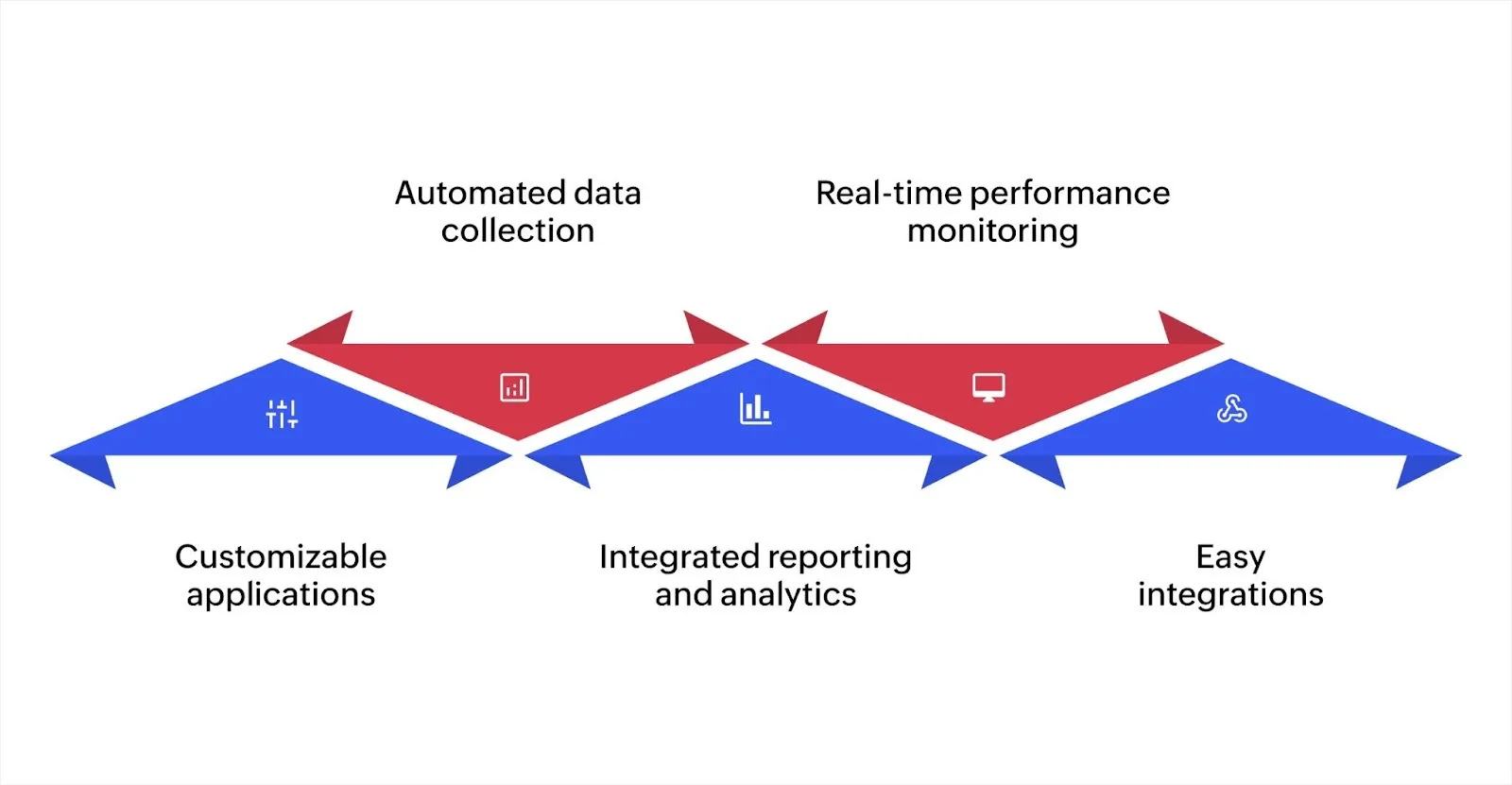
Your Knowledge Is Not Transferable Yet
What feels simple to you is often based on experience, intuition, and context that others do not have, which makes it difficult for them to replicate your work.
Workflows Are Too Complex
If your automation requires constant adjustments, troubleshooting, and decision-making, it becomes difficult for someone new to handle it without deep understanding.
Lack of Clear Feedback Loops
Without clear success and failure signals, team members cannot easily tell whether they are doing things correctly, which leads to mistakes and dependency on you.
The Hidden Cost of Hiring Struggles
Struggling to find the right team members does not just slow down hiring, it limits your ability to scale, because your capacity becomes tied to your own ability to execute.
You spend more time training and correcting than actually delegating, which reduces efficiency and increases frustration.
More importantly, it creates a dependency on “perfect hires,” which are rare and difficult to find, keeping your business from growing at the pace it could.
The Complete Solution: Build a System That Anyone Can Follow
The key to solving this problem is not finding better people, but building better systems.
The first step is simplifying your workflows, breaking them down into clear, repeatable steps that do not require deep expertise to execute.
Instead of relying on intuition, you document processes in a way that removes ambiguity and makes tasks predictable.
Once workflows are simplified, the next step is creating clear inputs and outputs, ensuring that team members know exactly what is required and what success looks like.
Automation plays a crucial role here, because it reduces the complexity of manual execution and ensures consistency across tasks.
A practical way to implement this is by using a platform like Appilot, which allows you to standardize and automate workflows on real devices, making them easier for team members to manage without deep technical knowledge.
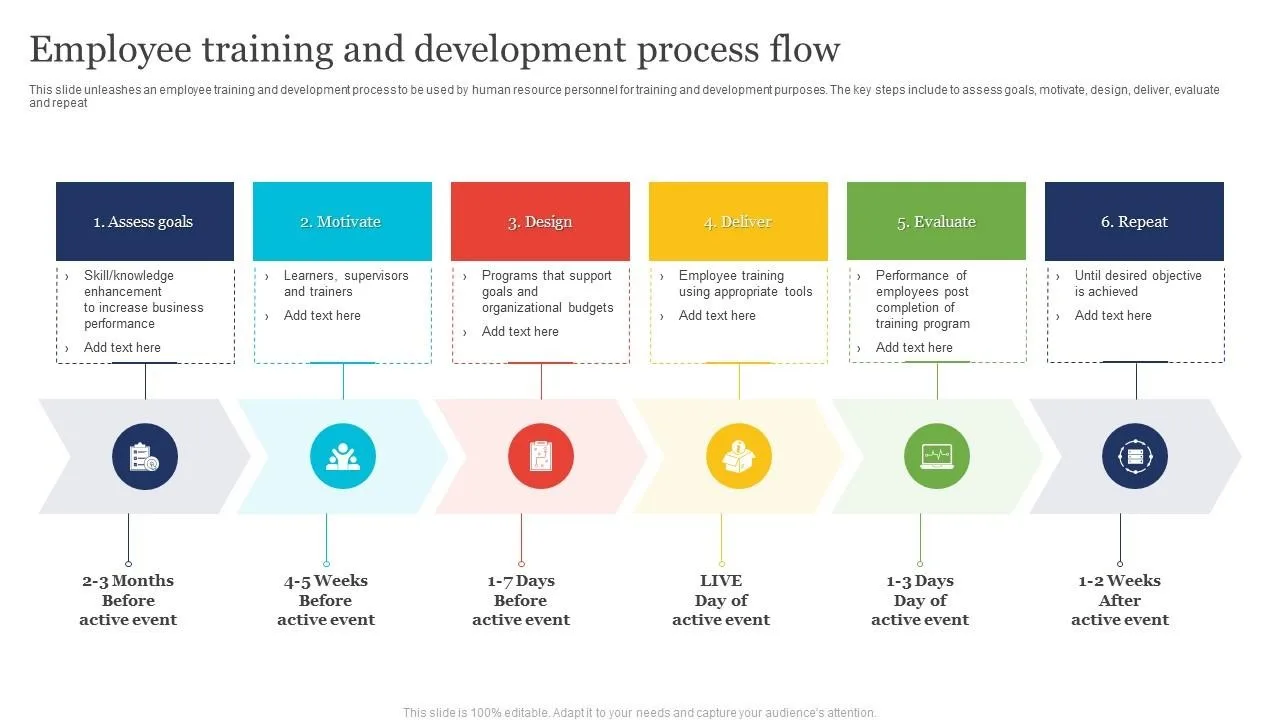
By combining simplified processes with automation, you create a system where team members do not need to understand every detail, they simply need to follow a clear structure.
The final step is implementing feedback loops, where team members can quickly identify and correct mistakes without relying on you for every decision.
How to Prevent Hiring Problems From Coming Back
Prevention starts with maintaining clarity in your workflows, ensuring that processes remain simple, documented, and easy to follow.
Regular updates help you refine your system as it evolves, keeping it efficient and accessible for new team members.
Automation ensures consistency, reducing variability and making it easier for your team to perform reliably.
Common Mistakes That Keep You Stuck
One of the most common mistakes is trying to hire experts instead of building systems that enable average performers to succeed.
Another is overcomplicating workflows, which increases dependency on experienced individuals.
There is also a tendency to skip documentation, which makes it harder for new hires to learn and adapt.
Real Success Stories: Before and After
A business owner struggling to find skilled automation specialists found that hiring attempts often resulted in increased workload rather than reduced effort.
After simplifying workflows and implementing automation using Appilot, they were able to onboard team members more effectively and reduce dependency on specialized skills.
Another example involved a team that faced constant challenges with training and execution, but after restructuring their system, they achieved greater efficiency and scalability.
Frequently Asked Questions
One common question is whether it is still important to hire skilled individuals, and while expertise is valuable, a strong system reduces the need for highly specialized skills.
Another question is how long it takes to build such a system, and while it requires effort, the long-term benefits make it worthwhile.
There is also the concern about flexibility, and well-designed systems can adapt while maintaining clarity and consistency.
Conclusion: Build Systems, Not Dependencies
If you cannot find good team members who understand automation, the problem is not just the talent pool, but how your work is structured.
Once you build systems that are clear, repeatable, and supported by automation, you no longer need perfect hires to scale your business.
If you are facing this challenge right now, the best step forward is not to keep searching for better people, but to design a system that allows anyone to succeed, because once you do, hiring becomes easier and growth becomes inevitable.