Can't Keep Up with Content Creation? Here's the System
Content Is Not Hard—Keeping Up With It Is
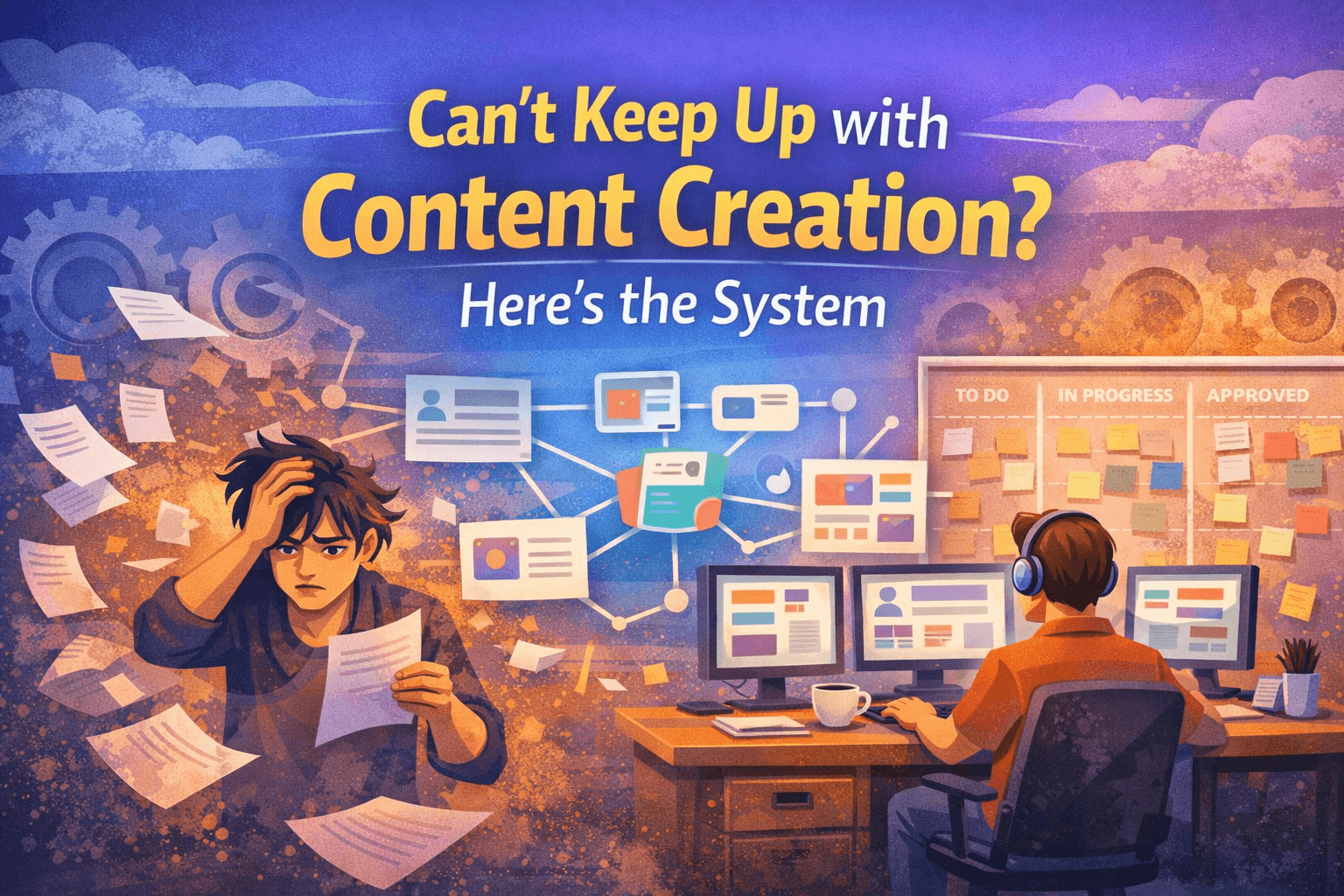
Creating one good post is not difficult. You can sit down, think of an idea, write something useful, publish it, and move on. The problem starts when you have to do it again tomorrow, and then again the next day, and then again across multiple accounts, different platforms, different audiences, and different formats.
Eventually, content creation stops feeling creative and starts feeling like a constant obligation. You always have another post to write, another account to update, another idea to think of, another piece of content to schedule, and another deadline that feels like it is already too close.
This is why so many people fall behind. The issue is usually not a lack of motivation or discipline. The real problem is that most people do not have a system. They are creating content reactively instead of operationally, which means every new post feels like starting from zero again.
Why Content Creation Feels Impossible to Maintain
Most people approach content creation in the most difficult way possible. They wait until they urgently need a post, then try to think of an idea, write it, create an image, schedule it, and publish it all in one sitting.
That approach may work when you only have one account. Once you are managing multiple accounts, multiple niches, different posting schedules, and different content formats, it becomes impossible to sustain.
The reason content creation feels exhausting is because you are making too many decisions at the same time. You are deciding what to write, how to write it, which image to use, when to post it, which account needs it first, and whether the content even fits the audience. That constant decision-making creates mental fatigue very quickly.

The Biggest Mistake: Treating Content Like a Daily Emergency
One of the biggest reasons people cannot keep up with content is because they only create content when they need it.
If you wake up every morning needing to think of a new post, you will eventually run out of energy. The pressure becomes worse when you are trying to manage dozens of accounts because there is always another post that feels urgent.
Large content systems do not work this way. They do not create content one day at a time. They create content in batches.
Instead of making every day about every task, they separate the work into stages. One session is used for ideas. Another session is used for outlines. Another session is used for writing. Another session is used for visuals. Another session is used for scheduling.
That structure matters because it removes unnecessary context switching. You are no longer trying to think, write, design, and organize at the same time.
Why Most People Create Too Much From Scratch
Another major reason content creation becomes overwhelming is because people assume every post needs to be completely new.
That is not how scalable content works.
Most strong content systems reuse the same structures over and over again. The topic changes, but the framework stays the same.
For example, one structure may be built around a pain point, then explain why it happens, what damage it causes, and how to fix it. Another structure may compare two tools. Another may focus on common mistakes. Another may be based on a simple checklist.
Once you have a few strong content frameworks, you can reuse them endlessly with different angles.
A topic like browser bans, for example, could become “Why Your Browser Profiles Keep Getting Restricted,” “How to Stop Losing Warmed-Up Accounts,” “Common Browser Fingerprint Mistakes,” or “Why Your Proxy Setup Keeps Failing.” The core idea is similar, but the angle changes.
The System That Makes Content Easier to Manage
The easiest way to keep up with content is to stop treating every post like a brand new project and start building a repeatable process around it.
The first step is creating a content library. Every time you notice a question, frustration, mistake, trend, objection, or repeated problem, add it to a running list. That way, when it is time to create content, you already have dozens of possible topics waiting for you.
The second step is grouping content into categories. Instead of creating random posts, you should know exactly which categories matter for your audience. You may have tutorials, mistakes, myths, comparisons, industry trends, FAQs, case studies, and behind-the-scenes content. Once you organize content this way, it becomes much easier to see what is missing.
The third step is batching. Instead of creating one post at a time, create multiple hooks, outlines, visuals, and scheduled posts in one session. That is what allows you to move faster without constantly restarting the process.
The final step is reusing what already works. If a certain content style performs well, there is no reason to stop using it. You do not need to reinvent the process every time. You simply need to apply the same structure to different topics.
Why Centralization Makes This Much Easier
Content becomes much harder when ideas, drafts, schedules, assets, and account notes are spread across multiple tools. You may have ideas in a spreadsheet, outlines in documents, visuals in folders, posting schedules in another platform, and account notes somewhere else.
That creates confusion very quickly because you are constantly switching between different places just to understand what still needs to be done.
This is one of the reasons Appilot becomes useful when content operations start scaling.
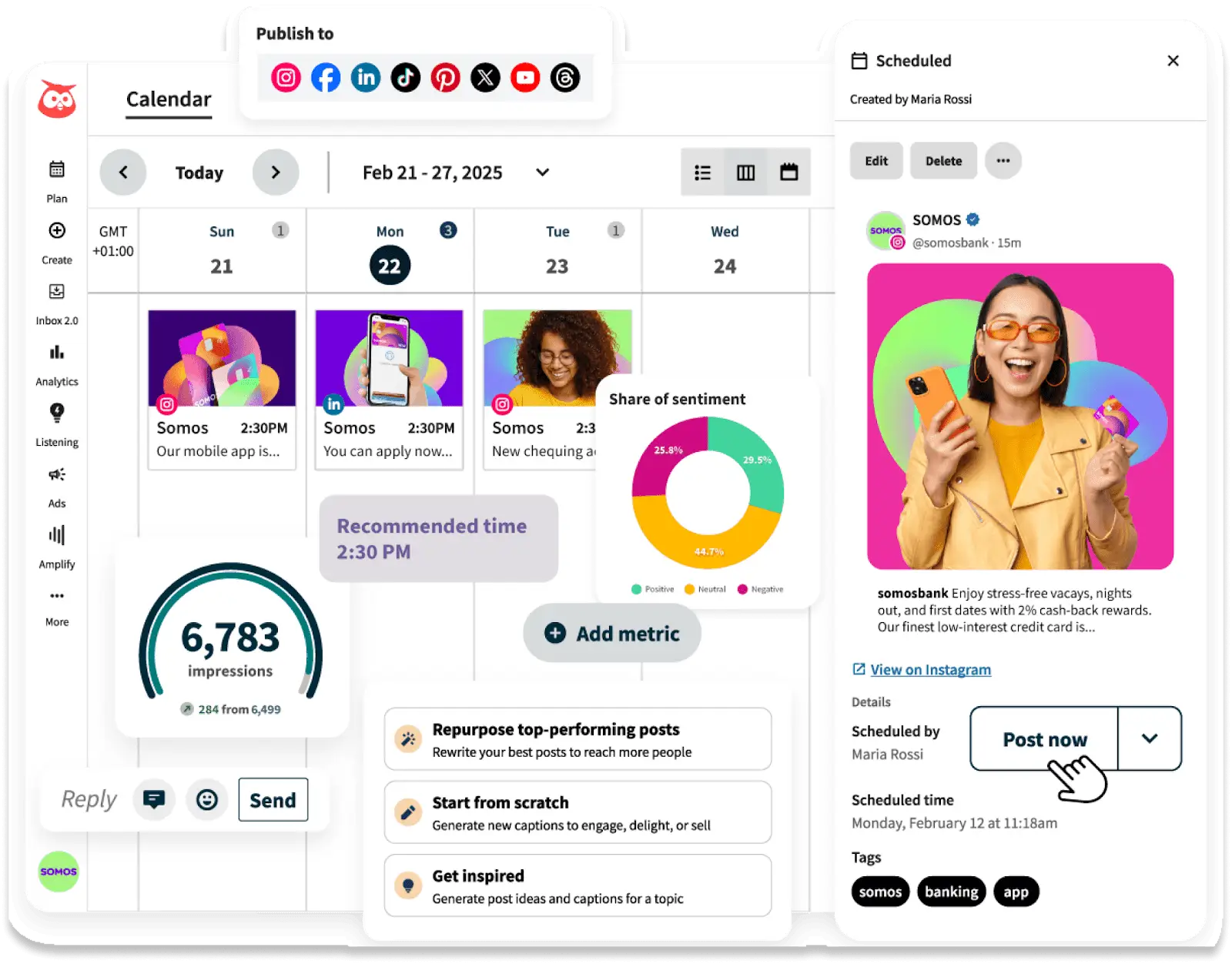
Instead of keeping schedules, browser profiles, Android workflows, content tasks, and account assignments spread across different systems, everything can stay organized from one dashboard. That makes it easier to see which accounts still need content, which workflows are active, which posts are already scheduled, and where bottlenecks are happening.
How to Stop Falling Behind Forever
The easiest way to stop falling behind is to stop relying on motivation.
Motivation changes every day. Some days you feel productive, and some days you do not. That is why motivation is unreliable.
Systems are much more consistent.
Once you have a repeatable process for collecting ideas, grouping content, batching tasks, reusing frameworks, and scheduling posts in advance, content creation becomes much easier to manage.
You are no longer waking up every morning wondering what to post.
You are simply following a system that already exists.
Conclusion: Content Creation Gets Easier Once You Stop Treating It Like a Daily Emergency
If you cannot keep up with content creation, the issue is usually not that you are bad at content.
The problem is that you are trying to do everything manually, reactively, and one post at a time.
Once you build a repeatable system for ideas, categories, batching, and scheduling, content creation becomes much easier.
That is what allows you to scale content without constantly feeling behind.