Clients Constantly Asking “Did You Post Yet?” Here’s the Solution (And How to Fix It Permanently)

The Message That Never Stops Coming
It starts as a simple check-in. A client sends a message asking if the content has been posted yet, and you reply quickly, confirm it, and move on. Then it happens again the next day, and the day after that, until it becomes a pattern that interrupts your workflow multiple times a week.
At first, it feels like impatience from the client, but over time it starts to feel like something deeper. You begin to realize that they are not asking randomly, they are asking because they are unsure, and that uncertainty is coming from a lack of visibility in your process.
You find yourself switching context constantly, checking accounts, confirming posts, sending screenshots, and reassuring clients that everything is on track. What should be a simple, automated workflow turns into a repetitive cycle of manual confirmation.
This is where frustration builds, not just for you, but for your client as well. They feel the need to check because they cannot see what is happening, and you feel interrupted because you have to keep proving that the work is being done.
This is not a communication issue. It is a visibility and system issue, and once you fix the structure behind it, the questions stop naturally.
Why Clients Keep Asking “Did You Post Yet?”
Most people assume clients ask because they are impatient or overly involved, but the real reason is that your workflow does not provide them with confidence.
When posting is handled manually, there is no consistent signal that confirms completion. Even if you follow the schedule perfectly, the client has no way of knowing that without asking.
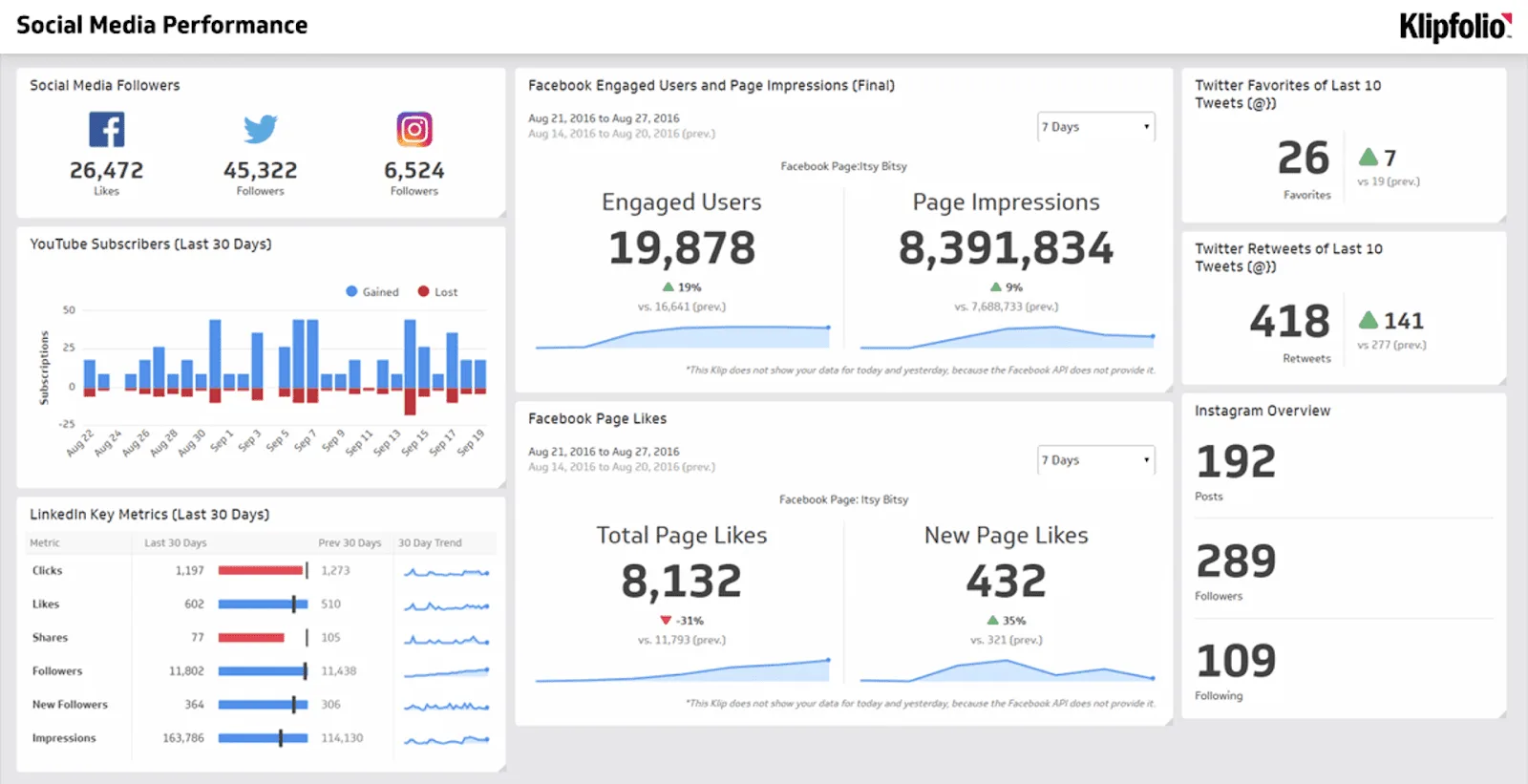
Another major issue is the lack of real-time visibility. Clients do not have access to a system that shows what has been posted, what is scheduled, and what is coming next, so their only option is to ask.
There is also inconsistency in execution. If posts sometimes go up late, or at slightly different times, even for valid reasons, it creates doubt about whether the process is reliable.
Finally, communication gaps amplify the problem. Even if you send updates occasionally, they are not continuous or structured, which means clients still feel the need to check in.
The Hidden Cost of Constant Client Check-Ins
These small messages may seem harmless, but they create a significant drag on your workflow over time.
Every time a client asks for confirmation, you stop what you are doing, verify the task, and respond. Even if this takes only a few minutes, it adds up quickly when multiplied across multiple clients and multiple days.
There is also a psychological cost. Constant check-ins create pressure, making it feel like your work is always being questioned, even when you are performing correctly.
From the client’s perspective, the lack of visibility reduces trust. If they need to ask repeatedly, it signals that the process is not fully reliable, which can impact long-term relationships.
Most importantly, this problem limits scalability. As you take on more clients, the volume of these interactions increases, turning into a communication bottleneck that consumes a large portion of your time.
The Real Problem: Your Workflow Has No Built-In Proof
The core issue is not that clients are asking, it is that your system does not provide automatic confirmation.
When posting is done manually or through loosely structured processes, there is no built-in mechanism that shows what has been completed. This forces clients to rely on direct communication instead of trusting the system.
In small operations, this can be managed, but as you scale, it becomes unsustainable.
What you need is not more updates, but a system where completion is visible without needing to ask.
The Complete Solution: Turn Posting Into a Visible System
The only way to stop these questions permanently is to remove uncertainty from your workflow and replace it with structured, visible execution.
The first step is stabilization, ensuring that posting happens consistently at defined times so that there is no variation that could create doubt.
The second step is structuring your workflow so that every action follows a predictable path, eliminating randomness in execution.
The third step is introducing a system where posting is not just done, but also tracked and visible. Instead of manually confirming each post, the system itself becomes the source of truth.
This is where most teams struggle, because building this level of visibility manually requires tracking systems, consistent environments, and reliable execution layers.
This is also where tools like Appilot become useful.
Instead of relying on manual posting or scattered tools, Appilot allows you to run structured posting workflows on real devices through a centralized system, ensuring that posts go out consistently while also maintaining a clear record of execution.
You could attempt to build similar workflows using custom scripts or scheduling tools, but maintaining consistency and visibility at scale becomes complex. Appilot simplifies this by handling execution in a controlled environment, reducing variability and making outcomes predictable.
The key shift is moving from manual posting to system-driven execution with built-in visibility.
Why Visibility Eliminates Client Questions
Once your workflow becomes visible, the need for constant check-ins disappears.
Clients no longer need to ask if something has been posted because they can see it directly or trust that the system executes consistently.
Consistency builds confidence. When posts go live at predictable times and results are visible, clients stop questioning the process.
Communication improves because it shifts from reactive confirmation to proactive reporting.
Most importantly, your time is freed from repetitive interactions, allowing you to focus on execution and growth.
How to Prevent This From Coming Back
Fixing visibility once is not enough. You need to maintain it as your operation grows.
You ensure that all posting happens through the structured system, avoiding manual execution that could reintroduce inconsistency.
You monitor performance and timing to ensure that the system remains reliable over time.
You refine your workflows as needed, ensuring that visibility remains clear and consistent for both your team and your clients.
Common Mistakes That Make This Worse
One of the most common mistakes is trying to solve this problem with more communication, sending more messages or updates instead of fixing the underlying system.
Another mistake is relying on inconsistent posting schedules, which creates uncertainty even if the work is being completed.
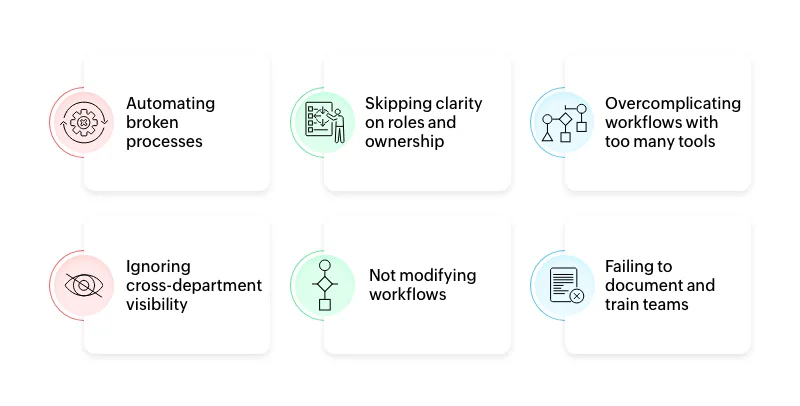
Some teams attempt to use multiple tools without integrating them properly, which leads to fragmented visibility instead of clarity.
The most critical mistake is assuming that client check-ins are normal, when they are actually a signal that your workflow needs structure.
Conclusion: Clients Ask Because They Can’t See
If clients keep asking “Did you post yet?”, it is not because they are difficult, it is because your workflow does not give them confidence.
Once you move from manual, invisible processes to structured, visible systems, the questions stop because the need for them disappears.
You can continue managing this manually, but as you scale, the interruptions will scale with you.
At some point, you either build a system that provides visibility or use one that already does.
That is where platforms like Appilot fit in, not as an extra tool, but as a way to ensure that your workflows are consistent, visible, and scalable without constant manual confirmation.