Competitors Outpacing You? Here’s How They’re Really Doing It

You are working hard, putting in the hours, managing workflows, handling clients, and trying to grow, yet somehow it feels like others in your space are moving faster, scaling quicker, and achieving results that seem just out of reach.
You might look at their output, their presence, their growth, and wonder what they are doing differently, because from the outside, it does not always look dramatically different, they are offering similar services, targeting similar audiences, and operating in the same market.
This creates a frustrating gap, where you are putting in the effort but not seeing the same level of progress, making it feel like you are always trying to catch up.
You might assume they have better resources, bigger teams, or more experience, but in many cases, the real difference is not visible on the surface, it is built into how their systems operate behind the scenes.
You are not alone in this, and more importantly, this is not about working harder, because the gap is rarely about effort, it is about leverage.
The good news is that once you understand how competitors are actually scaling and what gives them that advantage, you can apply the same principles to your own system and move forward more effectively.
What Your Competitors Are Doing Differently
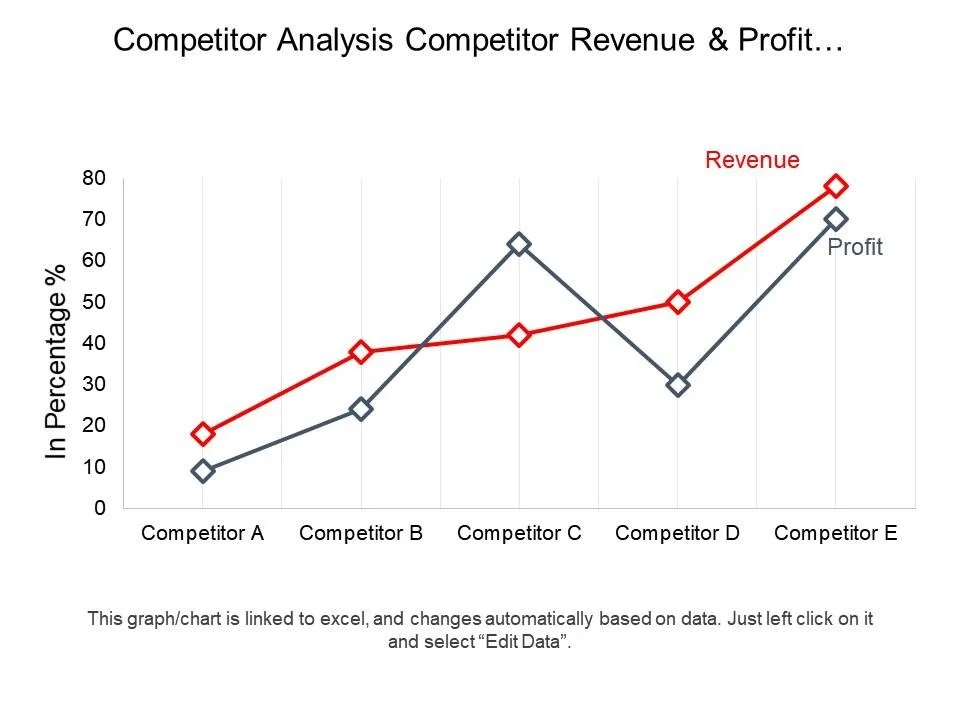
The difference is not usually in what they do, but in how they do it.
- They Build Systems, Not Just Workflows
Instead of handling tasks manually, they create systems that execute tasks consistently without requiring constant involvement.
- They Focus on Leverage, Not Effort
Every action they take is designed to produce ongoing results rather than one-time outcomes, which allows their work to compound over time.
- They Reduce Dependency on Individuals
Their systems are structured so that work continues even when they are not directly involved, allowing them to scale without increasing workload proportionally.
- They Optimize Continuously
Instead of maintaining the same workflows, they constantly refine and improve their systems, increasing efficiency over time.
The Hidden Advantage You’re Not Seeing
What looks like speed from the outside is actually efficiency from the inside.
Competitors are not necessarily doing more work, they are doing less manual work and letting systems handle the rest.
This creates a situation where they can focus on strategy, growth, and improvement while their systems handle execution.
More importantly, it allows them to scale without hitting the same limitations that come with manual processes.
The Complete Solution: Close the Gap and Move Ahead
Catching up is not about copying what competitors are doing on the surface, but about adopting the underlying principles that drive their growth.
The first step is identifying areas where your work is still manual, because these are the points where you lack leverage.
Once identified, the next step is standardizing processes, ensuring that tasks follow consistent patterns that can be replicated.
Automation becomes the key layer, allowing these processes to run independently and produce ongoing results.
A practical way to implement this is by using a platform like Appilot, which enables you to automate workflows on real devices, reducing manual effort and increasing scalability.
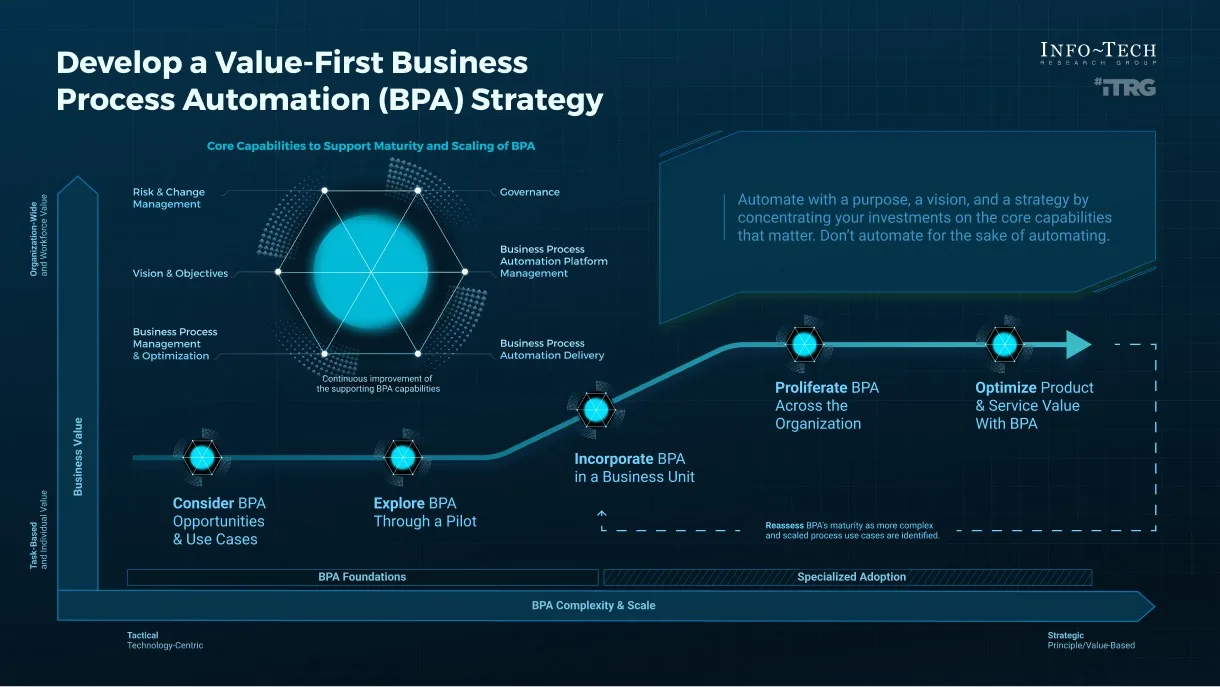
By building systems that create leverage, you shift from effort-based growth to system-driven growth, allowing your business to move forward more efficiently.
The next step is reallocating your time, focusing on areas that create the most impact rather than maintaining existing workflows.
How to Stay Ahead Once You Catch Up
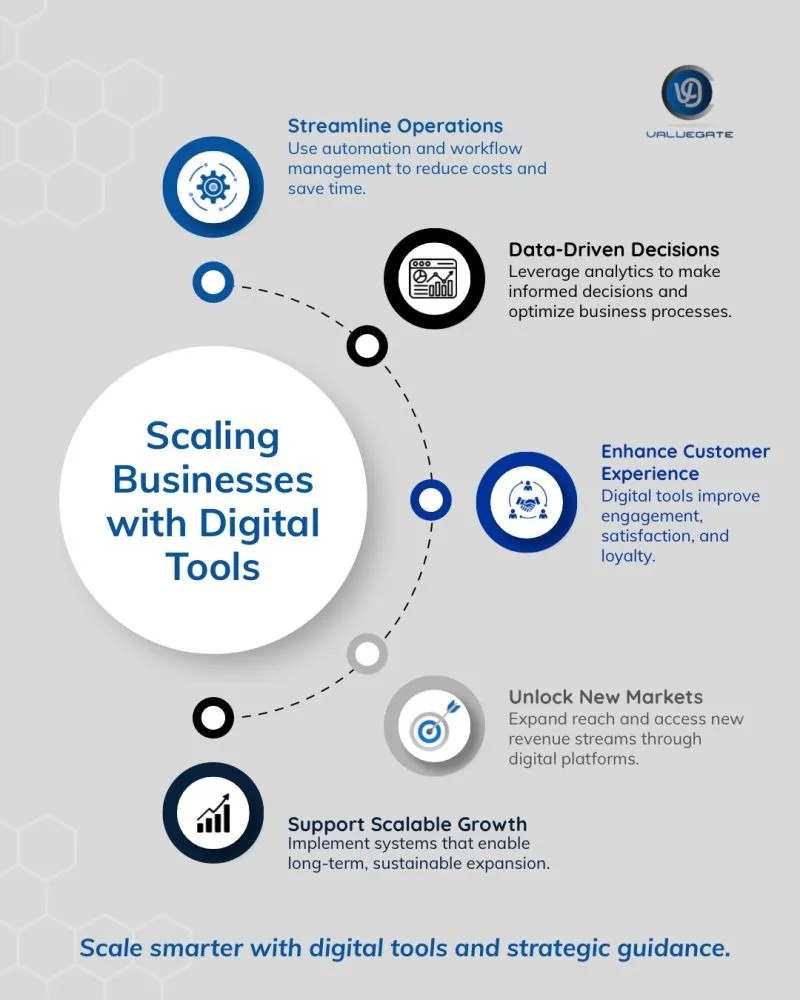
Staying ahead requires continuous improvement, ensuring that your systems evolve as your business grows.
Regular reviews help you identify inefficiencies and optimize your workflows.
Automation ensures that repetitive tasks remain efficient, allowing you to focus on strategy.
Common Mistakes That Keep You Behind
One of the most common mistakes is focusing only on output rather than the system that produces it.
Another is delaying automation, which keeps you tied to manual work.
There is also a tendency to assume that competitors have advantages you cannot replicate, when in reality, many of their strategies are accessible.
Real Success Stories: Before and After
A business owner who felt consistently behind their competitors found that their workflows were heavily manual and difficult to scale.
After implementing automation using Appilot, they were able to increase efficiency and close the gap.
Another example involved a team that struggled with growth, but after restructuring their system, they achieved more consistent and scalable results.
Frequently Asked Questions
One common question is whether it is too late to catch up, and in most cases, it is not, because systems can be built and improved at any stage.
Another question is how long it takes to see results, and improvements can often be seen quickly once leverage is introduced.
There is also the concern about complexity, and well-designed systems simplify operations rather than complicate them.
Conclusion: It’s Not About Working More, It’s About Working Differently
If your competitors are outpacing you, it is not because they are working harder, but because they are working with systems that create leverage.
Once you shift your focus from manual execution to building scalable systems, you can close the gap and even move ahead.
If you are dealing with this right now, the best step forward is not to push harder, but to rethink how your business operates, because once you do, progress becomes faster, more predictable, and far more sustainable.