Conversion Rate Tanked After Automation? Here's the Cause
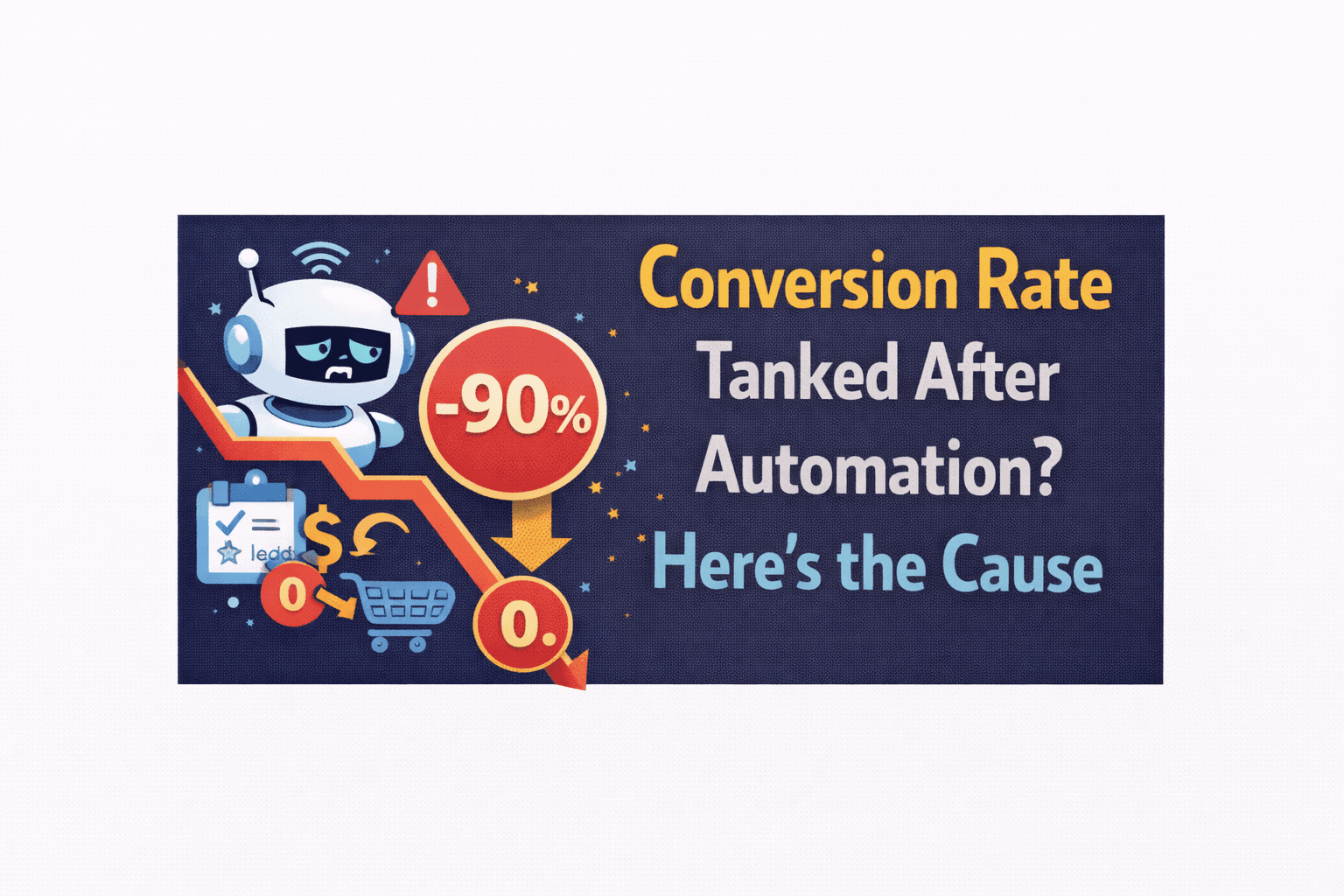
More Activity But Fewer Conversions
At first, automation looks like it should improve conversions.
You are sending more messages, publishing more content, managing more accounts, following up faster, and running more workflows than before.
Then eventually the numbers start going in the wrong direction.
Traffic may still be coming in. Leads may still be entering the funnel. The system may still be active.
But conversions start dropping.
That is one of the most frustrating parts of automation because it feels like you are doing more work but getting worse results.
The issue is usually not that automation itself is bad.
The problem is that automation often removes the exact things that help people convert in the first place.
Why Conversion Rates Often Drop After Automation
Most conversion problems happen because the content, messaging, or workflow becomes too generic.
The same sales messages get reused. The same follow-up sequence appears every time. The same landing page structure gets copied across different audiences.
Eventually, everything starts feeling repetitive.
People convert when they feel understood.
They want to feel like the content, the message, or the offer is relevant to their specific situation.
When automation becomes too rigid, that feeling disappears.
Instead of sounding specific, the system starts sounding like it was built for everyone.
That is when conversion rates start falling.
The Biggest Mistake: Automating The Parts That Still Need Human Judgment
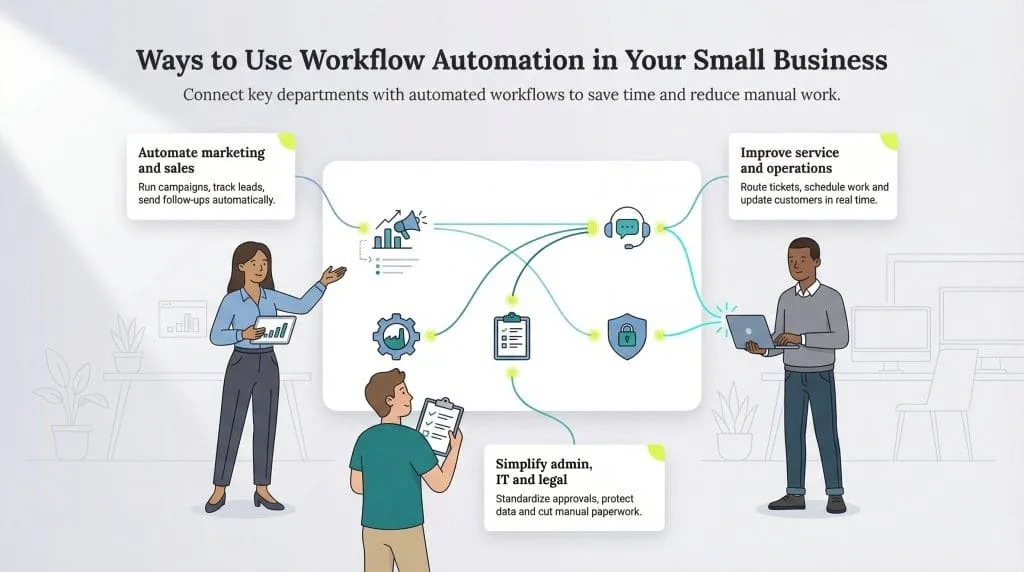
One of the biggest reasons conversions fall is because people automate too much of the decision-making process.
They automate the sales message, the pitch, the follow-up timing, the onboarding, and sometimes even the conversation itself.
That can work in simple situations.
But in most cases, people still need context.
Different leads have different problems, different budgets, different objections, and different goals.
If everyone receives the exact same message, the exact same offer, and the exact same sequence, the experience starts feeling generic.
That is why manual systems often convert better.
Manual outreach usually feels more specific, more personal, and more connected to the person receiving it.
Automation should support that process, not replace it entirely.
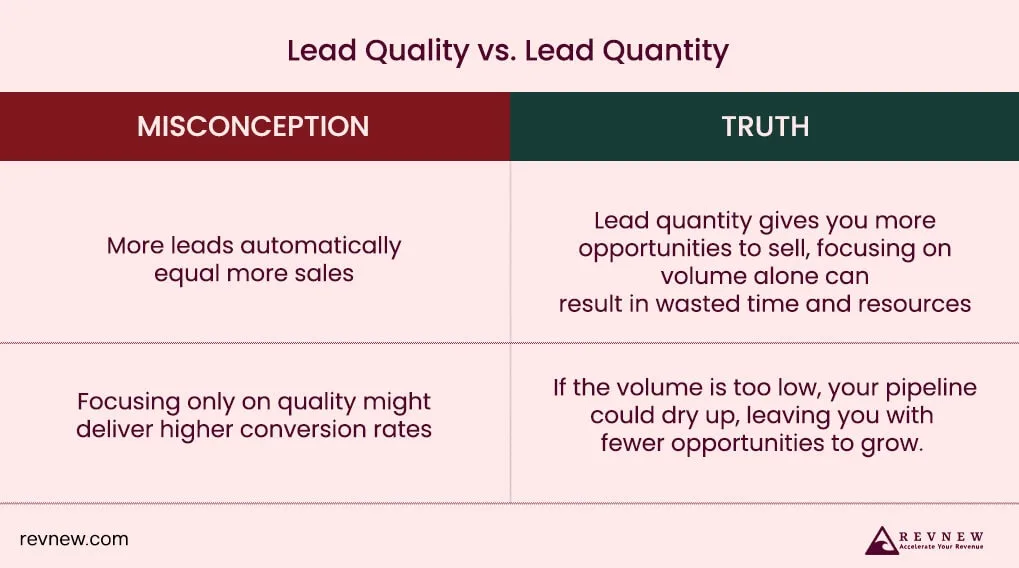
Why Higher Volume Often Creates Lower Quality Leads
One of the biggest hidden problems with automation is that it often increases volume faster than it improves targeting.
You may start reaching more people, but many of those people may not be the right fit.
That creates a funnel full of low-quality leads.
The numbers may look bigger on the surface because more messages are being sent and more people are entering the system.
But if the audience is less relevant, conversion rates naturally fall.
That is why better targeting is often more valuable than higher volume.
A smaller group of highly relevant leads will usually convert better than a large group of weak leads.
Why Over-Automation Makes People Distrust The Offer
People are becoming very good at spotting automation.
They can tell when a message feels templated, when a landing page feels generic, or when a follow-up sequence feels forced.
That creates distrust.
If the content feels too polished, too repetitive, or too scripted, people start feeling like they are being pushed through a system instead of being treated like a real customer.
That is one of the biggest reasons conversion rates fall after automation.
The process becomes efficient, but it stops feeling human.
The easiest way to fix this is by keeping personalization in the parts of the funnel that matter most.
The first message should feel relevant.
The offer should feel connected to the lead's problem.
The follow-up should feel natural.
The onboarding should feel specific.
That is what keeps the system from feeling robotic.
The System That Improves Conversion Rates Again
The easiest way to improve conversions after automation is to look at the points where people are dropping out.
Are they ignoring the first message?
Are they clicking but not replying?
Are they booking calls but not showing up?
Are they showing interest but not buying?
Each drop-off point usually points to a different problem.
Weak replies may mean the outreach is too generic.
Weak call attendance may mean the follow-up process is poor.
Weak sales conversion may mean the offer is unclear or the leads are low quality.
You should also compare automated workflows against manual ones.
Often, the manual process contains small details that improve trust and make the conversation feel more natural.
Those details should be added back into the automated system instead of removing them completely.
Why Centralization Makes This Easier
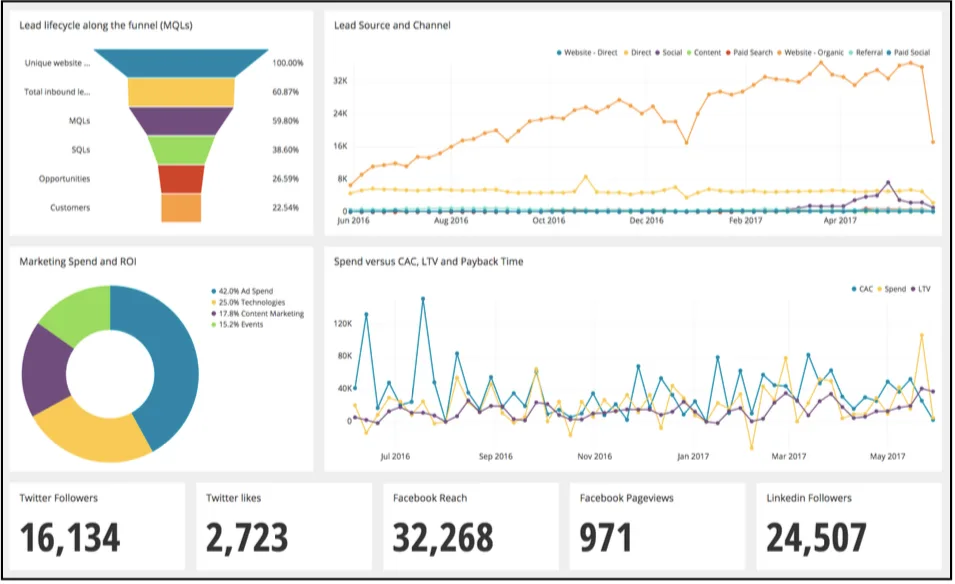
Conversion problems become much harder to diagnose when browser profiles, lead lists, outreach schedules, follow-up notes, account history, and reporting are spread across different tools.
You may have one tool for outreach, another for browser automation, another for lead tracking, and another for analytics.
That makes it difficult to understand which part of the system is causing the problem.
This is one of the reasons Appilot becomes useful when operations start scaling.
Instead of keeping browser profiles, Android workflows, lead assignments, follow-up timing, account history, and automation schedules spread across multiple systems, everything can stay visible from one dashboard. That makes it easier to compare manual workflows against automated workflows, identify weak conversion points, and see which parts of the funnel need more personalization.
Conclusion: Conversion Rates Drop When Automation Removes The Human Element
If your conversion rate tanked after automation, the issue is usually not the automation itself.
The problem is that the system became too generic, too repetitive, and too disconnected from what makes people trust and convert.
Once you improve targeting, personalize the important parts of the funnel, and keep more human judgment inside the process, conversion rates become much easier to recover.
That is what allows you to scale faster without making the entire funnel feel robotic.