What Is Cross-Site Tracking? Methods and Prevention
As users browse the internet, their activity is often monitored not just within a single website but across multiple sites. This practice, known as cross-site tracking, allows companies to follow users as they move from one website to another, building detailed profiles of their behavior, interests, and preferences. While it is widely used for advertising and analytics, it raises significant privacy concerns.
Understanding cross-site tracking is important because it reveals how data flows across the web and how users can protect their privacy. This guide explains the methods used and how to prevent them.
What Is Cross-Site Tracking?
Cross-site tracking is the process of collecting and linking user activity across multiple websites, where a tracking entity identifies the same user as they navigate different domains. Instead of limiting tracking to a single site, this method creates a continuous record of user behavior across the web. This allows companies to understand browsing habits, interests, and engagement patterns at a broader level.
The Core Idea Behind Cross-Site Tracking
The core idea behind cross-site tracking is persistent identification across domains, where a unique identifier is used to recognize a user on different websites. This identifier can be stored directly in the browser or derived from browser and device characteristics. By linking activity across sites, trackers can build comprehensive user profiles.
How Cross-Site Tracking Works
Cross-site tracking works by embedding shared tracking mechanisms across multiple websites, where these mechanisms communicate with a central tracking system.
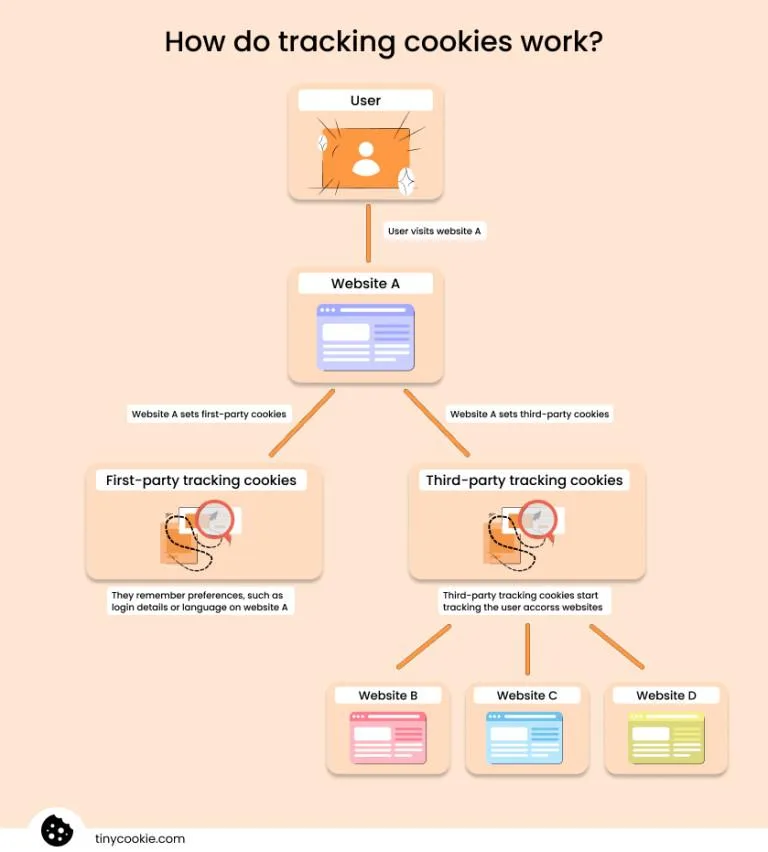
When a user visits different sites that include the same tracker, their activity is linked through a shared identifier. This enables continuous tracking without requiring direct interaction with the tracking entity.
Common Methods of Cross-Site Tracking
Cross-site tracking uses several techniques to identify and monitor users across websites, where third-party cookies store identifiers that can be accessed by multiple sites, fingerprinting collects browser and device characteristics to create unique profiles, and tracking pixels or scripts embedded in pages send data to external servers. Additionally, account-based tracking can link activity across services when users are logged in, further enhancing tracking capabilities.
Third-Party Cookies and Tracking
Third-party cookies are one of the most common methods used for cross-site tracking, where external domains set cookies that persist across multiple websites. These cookies store unique identifiers that allow the tracker to recognize the user wherever the same third-party resources are loaded. This enables continuous monitoring of browsing behavior across sites.
Fingerprinting as a Cross-Site Technique
Fingerprinting is an advanced method that does not rely on stored data, where it uses browser and device characteristics to identify users. Because these characteristics remain relatively stable, fingerprinting can track users even when cookies are blocked or deleted. This makes it a powerful but controversial tracking technique.
Tracking Pixels and Embedded Scripts
Tracking pixels and embedded scripts are small pieces of code included in webpages that send data back to tracking servers, where they can record page visits, interactions, and user behavior. These elements are often invisible to users but play a key role in cross-site tracking by linking activity across domains.
Why Cross-Site Tracking Is Used
Cross-site tracking is primarily used for advertising and analytics, where it enables personalized ads, audience targeting, and performance measurement. By understanding user behavior across multiple sites, companies can deliver more relevant content and optimize marketing strategies. It is also used to analyze user journeys and improve website performance.
Impact on User Privacy
Cross-site tracking has significant implications for user privacy because it allows the creation of detailed profiles based on browsing activity, where users may not be aware of how extensively they are being tracked. This can lead to concerns about data usage, surveillance, and lack of control over personal information.
How to Prevent Cross-Site Tracking
Preventing cross-site tracking involves limiting the ability of trackers to identify and follow users across websites, where blocking third-party cookies is one of the most effective methods, using privacy-focused browsers can reduce tracking capabilities, and enabling tracking protection features helps limit data collection. Additionally, using tools that restrict fingerprinting and clearing browsing data regularly can further enhance privacy.
Browser-Level Protections
Modern browsers include built-in protections against cross-site tracking, where features such as tracking prevention and cookie restrictions limit the effectiveness of third-party trackers. These protections are becoming more advanced, reducing the ability of trackers to collect data across sites.
Limitations of Prevention Methods
Despite available protections, preventing cross-site tracking is not always complete, where advanced techniques such as fingerprinting can still identify users even when cookies are blocked. Additionally, some tracking methods are necessary for website functionality, creating a balance between privacy and usability.
Cross-Site Tracking vs Real-Device Environments
A key distinction in modern tracking is the difference between heavily modified environments and natural browsing behavior, where aggressive blocking or modification of tracking mechanisms can sometimes create unusual patterns that stand out. Real-device environments operate with standard browser behavior where signals align naturally, and tools like Appilot follow this approach by running automation on real Android devices, ensuring that browsing behavior and system signals remain consistent with real-world usage. This reduces anomalies while maintaining functionality.
When Cross-Site Tracking Matters Most
Cross-site tracking is most relevant in scenarios involving advertising, analytics, and user profiling, where understanding behavior across multiple sites provides valuable insights. In these contexts, users must balance privacy concerns with the benefits of personalized experiences.
Frequently Asked Questions
Q: What is cross-site tracking?
It is tracking user activity across multiple websites.
Q: How does it work?
By using shared identifiers or fingerprinting techniques.
Q: Why is it used?
For advertising, analytics, and user profiling.
Q: Can it be prevented?
Partially, using privacy tools and browser settings.
Q: Is fingerprinting part of cross-site tracking?
Yes, it can track users without cookies.
Q: How do real-device solutions compare?
Real-device solutions like Appilot maintain natural browsing behavior, reducing anomalies while preserving functionality.
Key Takeaways
Cross-site tracking allows entities to monitor user activity across multiple websites by linking behavior through shared identifiers or fingerprinting techniques. While it is widely used for advertising and analytics, it raises significant privacy concerns. Preventing cross-site tracking involves blocking cookies, using privacy tools, and understanding the limitations of these methods. Awareness of how tracking works is essential for maintaining control over personal data.