Database Corrupted and You Lost Everything? Prevention Guide (And How to Make Sure It Never Happens Again)

Everything Was There… Until It Wasn’t
There is a moment when you realize something is wrong, when a query fails, a dashboard does not load, or expected data simply does not appear. At first, it feels like a temporary glitch, something that will resolve with a refresh or a restart.
Then the pattern becomes clear. Data is missing, tables are corrupted, systems are failing to respond correctly, and what you assumed was stable is suddenly unreliable. The realization sets in that this is not a minor issue, but a full breakdown of the system that holds your data together.
What follows is urgency. You try to recover what you can, check backups, look for logs, and attempt to reconstruct what was lost, but the deeper issue becomes unavoidable. The data you depended on was not as secure as you believed.
This situation is not just technical, it is operational. When your database fails, your workflows fail with it, and the impact spreads quickly across your entire system.
Why Databases Get Corrupted
Database corruption is often treated as an unpredictable failure, but in reality, it usually comes from identifiable weaknesses in how systems are designed and maintained.
One of the most common causes is inconsistent writes. When multiple processes interact with a database without proper control, data can become incomplete or overwritten in ways that break structure.
Another major cause is infrastructure instability. Hardware failures, sudden shutdowns, or unreliable storage systems can interrupt operations and leave data in a corrupted state.
There is also the issue of improper scaling. As systems grow, databases handle more load, and without proper optimization, performance issues can lead to failures.
Finally, lack of controlled environments contributes significantly. When data operations are executed across inconsistent setups, the risk of corruption increases due to unpredictable behavior.
The Hidden Cost of Data Loss
When a database is corrupted, the impact extends far beyond missing data.
The most immediate cost is operational downtime. Systems that rely on the database stop functioning, which disrupts workflows and delays execution.
There is also a financial cost. Lost data can mean lost transactions, lost insights, and lost opportunities that cannot be recovered.
From a trust perspective, both internal teams and clients begin to question the reliability of your system.
The long-term cost is instability. Without a reliable foundation, scaling becomes risky because the same failure can happen again.
The Immediate Recovery Plan (What to Do Right Now)
When corruption occurs, the priority is to recover as much data as possible while preventing further damage.
The first step is isolating the issue. You stop any ongoing processes that could worsen the corruption and identify which parts of the database are affected.
The second step is restoring from backups. If backups exist, you attempt to recover the most recent stable version of the data.
The third step is analyzing logs. Logs can provide insight into what caused the failure and help determine how much data was affected.
The fourth step is rebuilding missing data. In cases where full recovery is not possible, you reconstruct data from available sources or recreate critical components.
The Real Problem: Your System Was Not Built for Failure
The core issue is not that corruption happened, but that the system was not designed to handle it.
When data systems lack redundancy, controlled execution, and consistent environments, a single failure can cascade into total loss.
What you need is not just recovery processes, but a system that assumes failure can happen and is prepared for it.
The Complete Solution: Build Resilient, Controlled Systems
The only way to prevent catastrophic data loss is to design your system with resilience and consistency at its core.
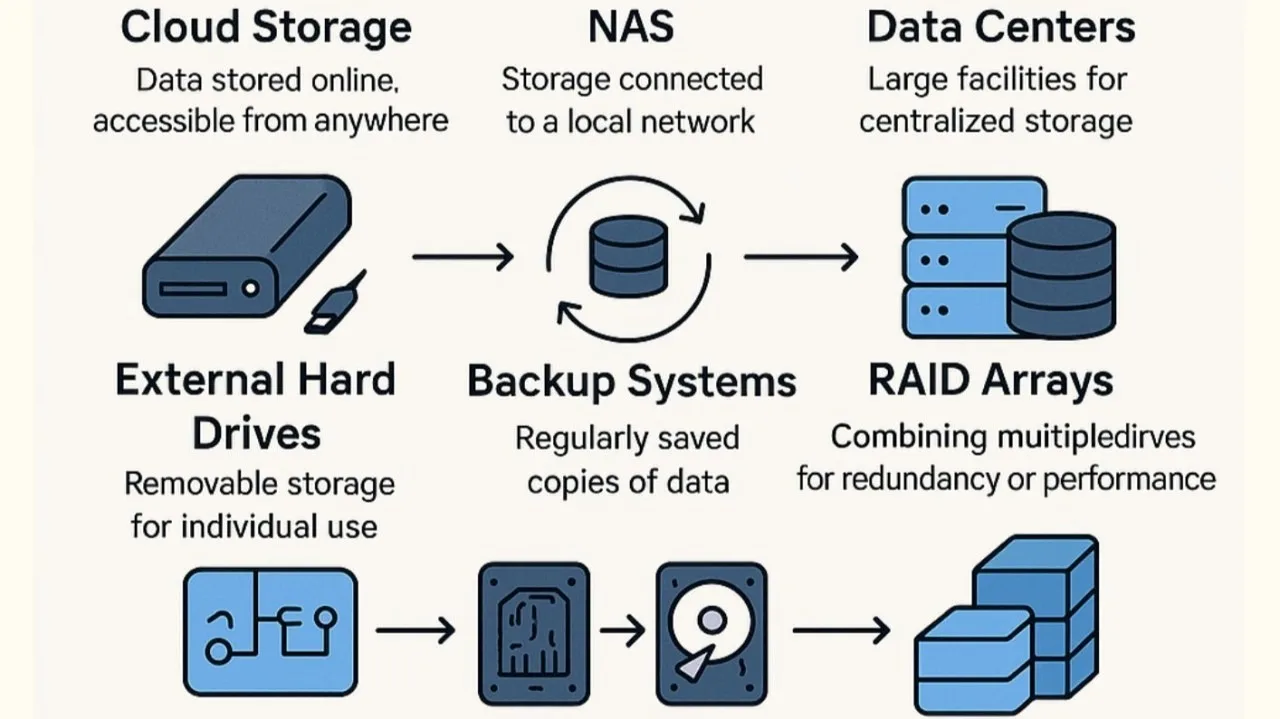
The first step is implementing reliable backups. Data should be stored in multiple locations with regular updates to ensure recovery is always possible.
The second step is controlling execution environments. Data operations should run in consistent, predictable environments to reduce the risk of corruption.
The third step is standardizing workflows. When processes follow defined patterns, the likelihood of unexpected failures decreases.
This is where many teams struggle, because maintaining consistent execution and infrastructure requires coordination and technical overhead.
This is also where tools like Appilot become relevant.
While Appilot is not a database system, it plays a role in stabilizing the workflows that interact with your data. By running processes on real devices within a controlled environment, it reduces variability in execution, which indirectly lowers the risk of inconsistent operations that can lead to data issues.
You could attempt to build similar stability manually across your systems, but maintaining that consistency becomes complex as you scale. Appilot simplifies this by ensuring that execution remains predictable, which supports overall system reliability.
The key shift is moving from reactive recovery to proactive system design.
Why Resilient Systems Prevent Total Loss
Once your system is designed for resilience, failures no longer result in total loss.
Backups ensure that data can be restored quickly, reducing downtime and impact.
Controlled environments reduce the likelihood of corruption by maintaining consistent execution.
Standardized workflows make systems more predictable, which helps prevent unexpected failures.
Most importantly, your operations become stable even as complexity increases.
How to Prevent This From Ever Happening Again
Prevention requires ongoing attention to how your system evolves.
You ensure that backups are updated regularly and tested to confirm they work when needed.
You monitor system performance to detect early signs of instability before they lead to failure.
You refine your workflows continuously, ensuring that they remain consistent and reliable.
Common Mistakes That Make This Worse
One of the most common mistakes is assuming that data loss is unlikely, which leads to inadequate preparation.
Another mistake is relying on a single backup or storage location, which creates a single point of failure.
Some teams focus on recovery without improving system design, which allows the same issue to happen again.
The most critical mistake is treating database stability as a one-time setup instead of an ongoing responsibility.
Conclusion: Data Loss Is a System Failure, Not Just an Event
If your database has been corrupted and you lost everything, it is not just an isolated incident, it is a signal that your system needs to be redesigned.
Once you implement backups, control execution environments, and standardize workflows, the risk of total loss decreases dramatically.
You can continue operating without these safeguards, but as your system grows, the potential impact of failure grows with it.
At some point, you either build a resilient system that can handle failure or accept the risk of repeating the same loss.
That is where structured tools and systems come in, not as optional enhancements, but as essential components of a stable, scalable operation.