eBay Limited Your Selling Because of "Performance Issues"
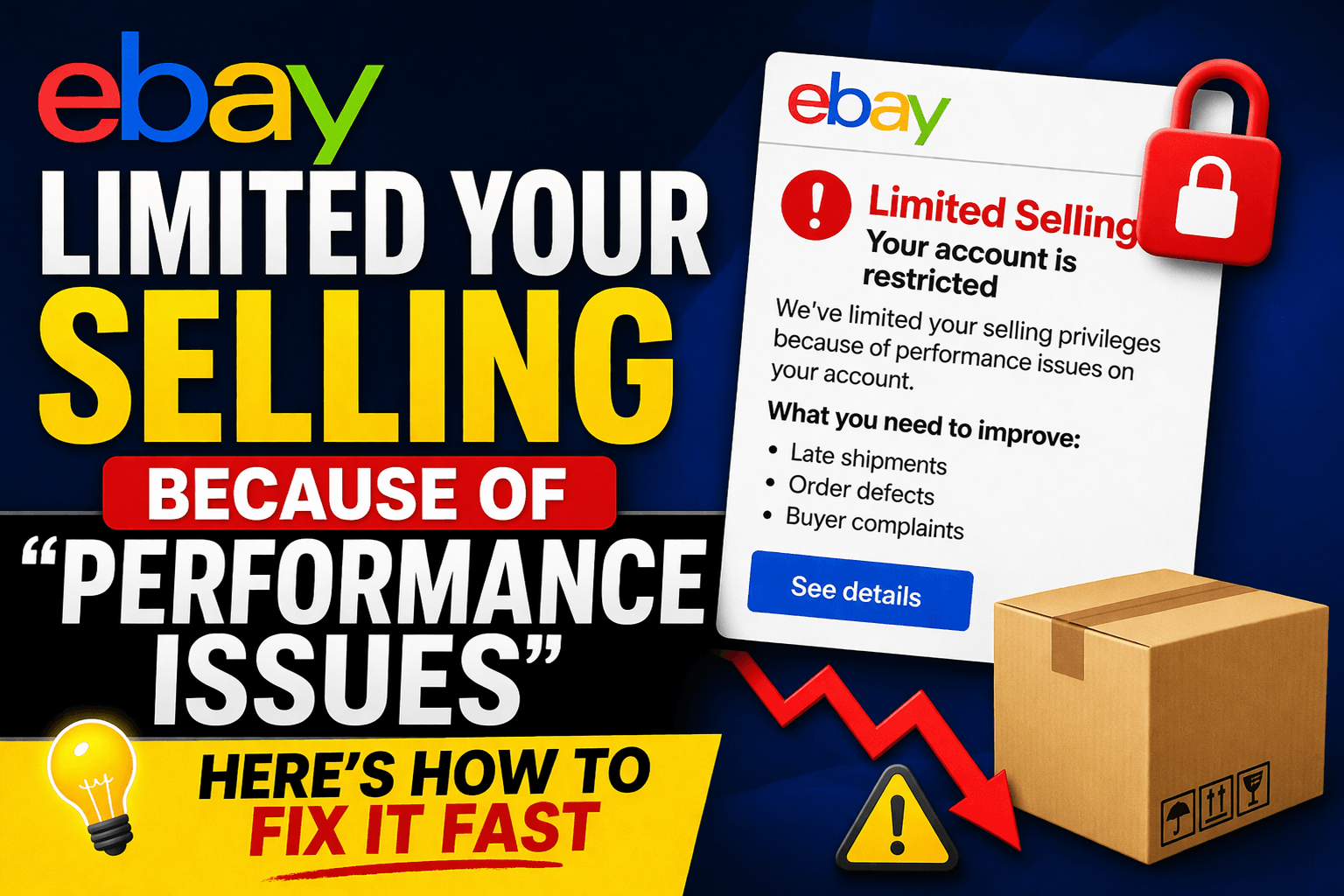
Your Listings Are Still Live But eBay Suddenly Restricted Your Account
One of the most frustrating things for eBay sellers is seeing a performance-related restriction appear on the account. Listings may still be live, orders may still be coming in, and the account may still technically work, but selling limits, lower visibility, or account restrictions suddenly make growth much harder.
This becomes especially frustrating because eBay performance warnings can come from many different problems at once. One seller may have late shipments, another may have too many returns, another may have negative feedback, and another may have tracking issues.
That leaves you trying to figure out which problem matters most and which issue needs to be fixed first.
The important thing to understand is that eBay usually limits accounts when the seller experience starts creating too many problems for buyers.
Why eBay Limits Sellers For Performance Issues
Most seller performance limits happen because the account starts missing eBay standards.
For example, late shipments, missing tracking numbers, high cancellation rates, poor communication, too many returns, item-not-as-described complaints, and negative feedback can all increase account risk.
The same thing can happen if buyers keep opening cases, if products arrive damaged, or if listings are inaccurate.
eBay wants buyers to have a smooth experience.
If the account creates too many complaints or operational problems, selling limits often appear very quickly.

The Biggest Mistake: Focusing Only On One Metric
One of the biggest mistakes sellers make is focusing only on the exact warning eBay shows.
For example, if eBay mentions late shipments, many sellers only look at shipping and ignore the rest of the account.
That usually is not enough.
Performance issues often build up across several areas at once.
Late shipments, weak tracking, inaccurate listings, poor customer service, and high return rates often happen together.
The stronger approach is reviewing the full account carefully.
Look at shipping speed, feedback, cancellations, returns, tracking numbers, product quality, communication, and buyer complaints.
Even if eBay only highlights one metric, there are often multiple issues hurting the account.
Why Shipping Problems Cause So Many Restrictions
Shipping issues are one of the biggest reasons eBay limits sellers.
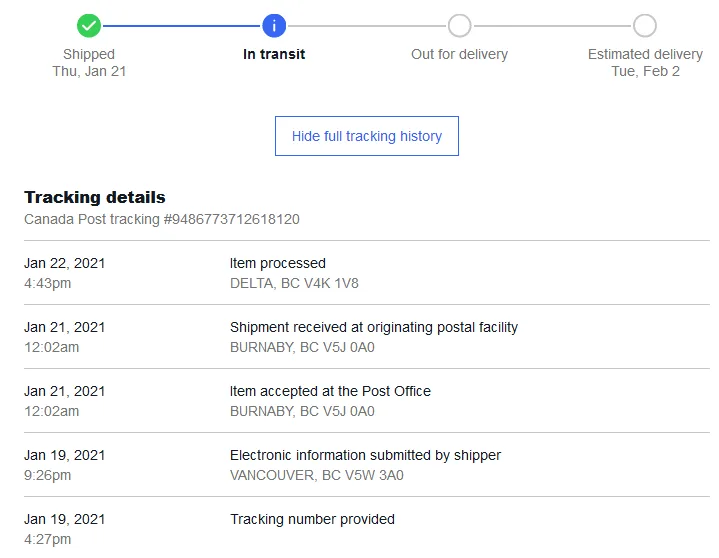
Late shipments, missing tracking, invalid tracking, delayed delivery scans, and poor carrier performance can all reduce seller standing very quickly.
This becomes especially common when sellers rely on manual fulfillment systems, outdated inventory tracking, or suppliers who cannot ship consistently.
Even if the products themselves are good, weak fulfillment can still damage the account quickly.
Why Returns And Complaints Matter So Much
A lot of eBay performance issues come from customer complaints.
If buyers keep saying the product was damaged, not as described, missing parts, or different from the listing, the account risk becomes much higher.
That is why listing accuracy matters so much.
Clear images, realistic descriptions, accurate condition notes, and better packaging can all help reduce future complaints.
Even small changes in the listing can make a major difference in how buyers react.
Why Better Systems Reduce Performance Problems
Performance problems become much harder to manage when shipping records, customer complaints, inventory notes, feedback history, and supplier details are spread across different systems. You may have one place for shipping labels, another for returns, another for supplier notes, and another for account alerts. That makes it difficult to see which patterns are hurting the account most.
This is one of the reasons Appilot becomes useful when e-commerce operations start scaling. Instead of keeping browser workflows, Android automations, shipping records, customer complaints, supplier notes, feedback history, and task logs spread across different systems, everything can stay visible from one dashboard. That makes it easier to monitor account health, review performance issues, organize recovery steps, and reduce the chance of future restrictions across multiple eBay accounts.
Conclusion: eBay Usually Limits Sellers When Buyer Experience Problems Start Adding Up
If eBay limited your selling because of performance issues, the issue is usually not that the platform randomly decided to restrict the account. The problem is often that shipping delays, tracking issues, customer complaints, inaccurate listings, or poor communication started building up over time.
Once you identify the biggest performance risks, improve fulfillment, strengthen listing accuracy, and organize account management more carefully, it becomes much easier to recover the account and reduce the chance of future limits.