Etsy Account Reserved Your Funds? Here's What to Do

Sales Are Coming In But Etsy Is Holding The Money
One of the most frustrating things for Etsy sellers is seeing new orders arrive while the available balance stays low because Etsy has placed a reserve on the account. Products may still be selling, customers may still be ordering, and the shop may still technically be active, but part of the money is suddenly unavailable.
That becomes a serious problem because reserves can make it much harder to buy inventory, pay for shipping, run ads, or keep the business operating normally.
This becomes especially confusing because Etsy often gives only a broad explanation. Instead of identifying one exact issue, the platform may simply mention risk concerns, order history, tracking problems, or unusual account activity.
That leaves you trying to figure out whether the reserve came from shipping delays, missing tracking, chargebacks, refunds, or something else entirely.
The important thing to understand is that Etsy usually places reserves on accounts when the platform believes there is a higher chance of disputes, refunds, or order problems.
Why Etsy Places A Reserve On Seller Funds
Most reserve problems happen because Etsy sees the account as higher risk than normal.
For example, missing tracking numbers, late shipments, a sudden increase in sales, too many refunds, customer complaints, new account activity, or unresolved cases can all increase the chance of a reserve.
The same thing can happen if the shop suddenly starts selling expensive items, receives a large number of international orders, or experiences a sharp increase in cancellations.
Etsy wants to make sure there is enough money available in case customers request refunds or open cases.
If the account starts looking unstable, the platform becomes much more likely to hold part of the balance.
The Biggest Mistake: Waiting For The Reserve To End On Its Own
One of the biggest mistakes sellers make is waiting and hoping the reserve disappears without changing anything.
That usually does not help.
If Etsy already believes the account has higher risk, the reserve often stays in place until performance improves.
The stronger approach is reducing the reasons Etsy sees the shop as risky.
Focus on faster shipping, valid tracking numbers, fewer cancellations, better customer communication, and lower refund rates.
Even small improvements in seller performance can help reduce reserve risk over time.
Why Tracking Numbers Matter So Much
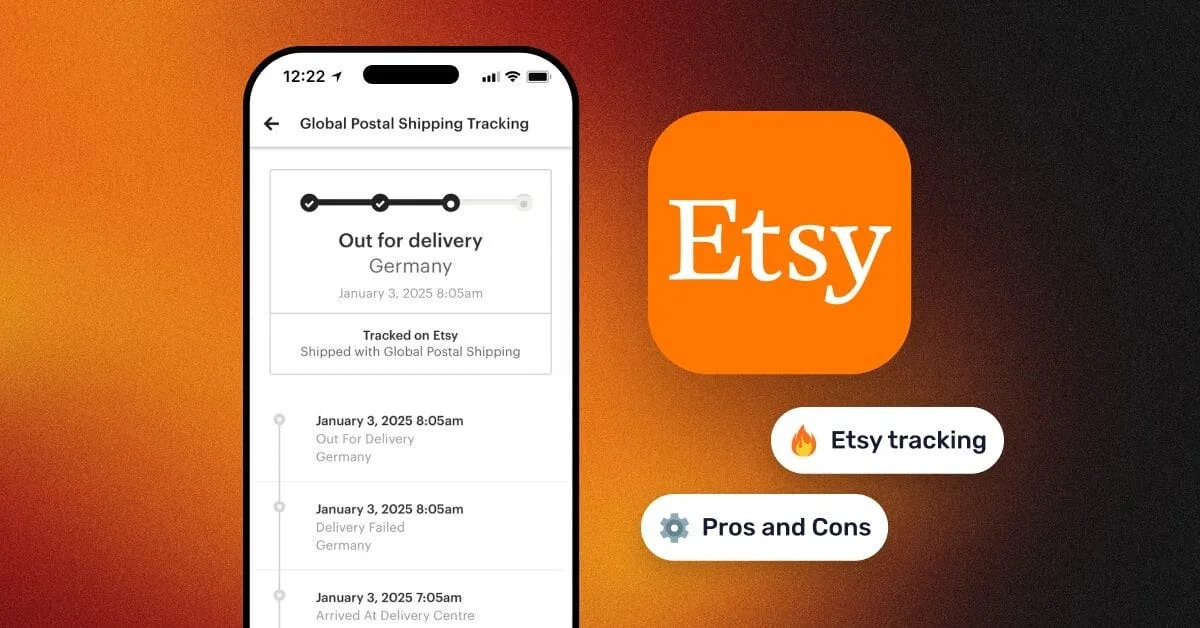
Tracking is one of the biggest reasons Etsy places reserves on accounts.
If too many orders ship without valid tracking, Etsy has less proof that customers actually received their items.
That creates more uncertainty and more risk from Etsy’s point of view.
This becomes especially common with digital products, handmade goods, international shipments, or low-cost items where sellers often skip tracking.
The stronger approach is uploading tracking numbers as often as possible and making sure the carrier scans are updating correctly.
Why New Accounts Face More Reserve Problems
A lot of reserve issues happen because the shop is still new.
New Etsy accounts do not yet have a long history of successful orders, good reviews, and reliable shipping.
That makes Etsy more cautious.
Even if the shop is doing everything correctly, a sudden increase in sales or higher-priced products can still create reserve risk because the platform does not yet fully trust the account.
The stronger approach is growing more gradually and keeping performance stable.
Why Better Systems Reduce Reserve Problems
Reserve problems become much harder to manage when shipping records, tracking numbers, customer complaints, refunds, and order history are spread across different systems. You may have one place for shipping labels, another for refunds, another for customer messages, and another for account alerts. That makes it difficult to see which issues are making Etsy more cautious.
This is one of the reasons Appilot becomes useful when Etsy operations start scaling. Instead of keeping browser workflows, Android automations, shipping records, tracking updates, refund history, customer complaints, and task logs spread across different systems, everything can stay visible from one dashboard. That makes it easier to monitor seller performance, review risk factors, organize shipping workflows, and reduce the chance of future Etsy fund reserves across multiple shops.
Conclusion: Etsy Usually Reserves Funds When The Shop Starts Looking Risky
If Etsy reserved your funds, the issue is usually not that the platform randomly decided to hold the money. The problem is often that tracking numbers are missing, shipments are delayed, refunds increased, or the account looks too new or unpredictable.
Once you improve shipping performance, upload tracking more consistently, reduce complaints, and organize order management more carefully, it becomes much easier to reduce reserve risk and recover access to your funds.