Facebook Rejected Your Ad for "Misleading Content"? Appeal Guide
Your Ad Looked Fine Until Facebook Rejected It
One of the most frustrating problems in advertising is when you spend time creating a campaign, write the copy, upload the creative, submit the ad, and then suddenly get hit with a rejection for “misleading content.” The ad may feel completely normal from your perspective. You may not be making unrealistic promises, you may not be hiding anything, and you may not even understand what Facebook thinks is misleading. Then suddenly the campaign stops before it even starts.
This becomes even more frustrating because Facebook often gives vague explanations. Instead of showing one exact sentence or one exact image that caused the problem, the platform may simply label the ad as misleading without much detail. That leaves you guessing about whether the issue came from the headline, the landing page, the before-and-after language, the pricing, the CTA, or even the image itself.
The important thing to understand is that misleading content rejections are usually not random. Facebook is often reacting to wording, formatting, claims, or page behavior that looks suspicious from an automated moderation point of view.
Why Facebook Flags Ads As Misleading
Most misleading content rejections happen because the ad appears to overpromise, hide information, exaggerate results, or create a mismatch between the ad and the landing page.
For example, ads that promise guaranteed income, instant weight loss, overnight success, unrealistic business growth, or dramatic health results are much more likely to get flagged. The same applies to headlines that feel too aggressive, such as “You Won’t Believe This Secret” or “Make $10,000 In One Week.”
Facebook also dislikes situations where the ad says one thing but the landing page says something else. If the ad promotes a free offer but the landing page immediately asks for payment, the system may interpret that as misleading. If the ad promises one product but the landing page redirects to something unrelated, the rejection risk becomes much higher.
The Biggest Mistake: Appealing Without Fixing Anything
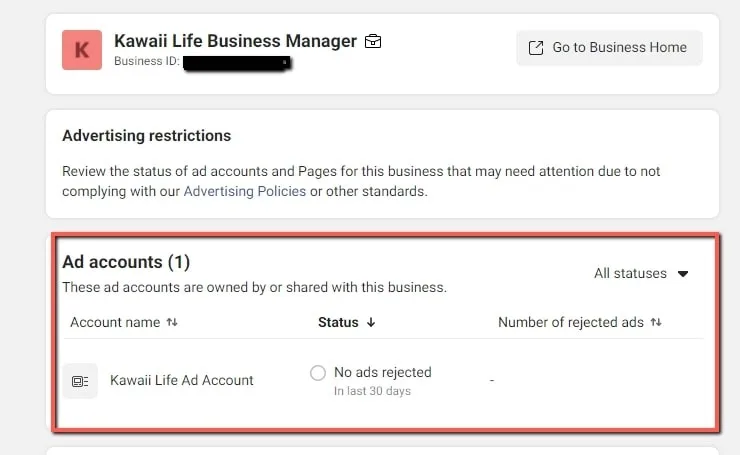
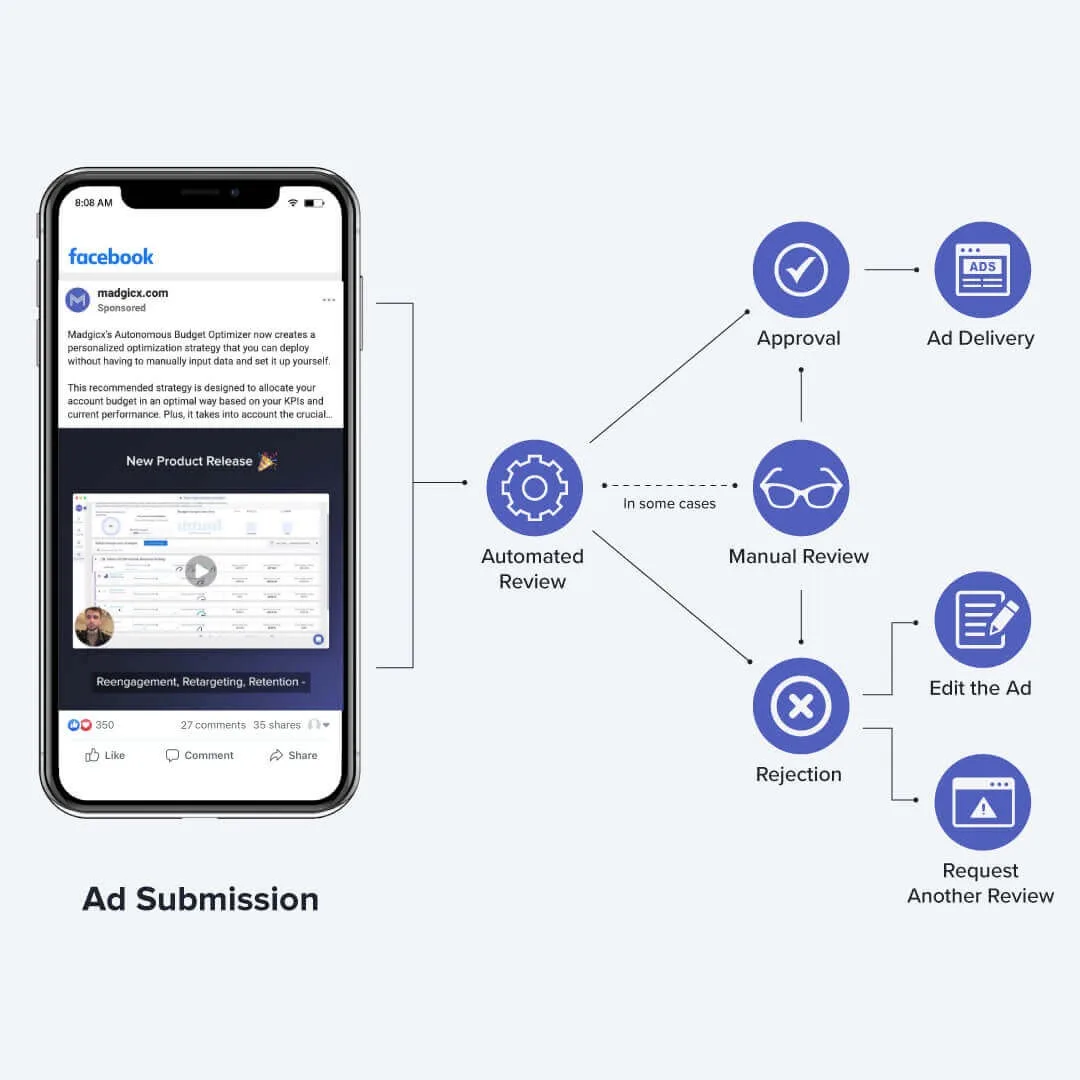
One of the biggest mistakes advertisers make is immediately clicking appeal without changing the ad.
If the ad actually contains something risky, sending the same version back for review usually leads to another rejection. In some cases, repeated rejected submissions can even increase account risk because the system sees a pattern of low-quality or non-compliant ads.
The stronger approach is reviewing the ad carefully before appealing.
Look at the headline, body text, CTA, image, video, and landing page together.
Ask yourself whether the ad could sound exaggerated, unrealistic, too emotional, or too vague. Check whether the landing page matches the offer exactly. Make sure pricing, terms, disclaimers, and product details are clear. If the ad says “free,” make sure the landing page does not immediately show hidden charges. If the ad mentions results, make sure those results are realistic and not guaranteed.
Once you make the ad more transparent, the appeal has a much better chance of succeeding.
Why The Landing Page Often Causes The Real Problem
A lot of people assume the ad creative caused the rejection when the real issue is actually on the landing page.
Facebook reviews the full experience, not just the ad itself.
If the landing page has popups everywhere, fake countdown timers, unrealistic testimonials, hidden pricing, excessive redirects, or aggressive data collection forms, the platform may label the whole ad flow as misleading even if the ad text itself looks normal.
This becomes especially common with affiliate offers, dropshipping pages, lead generation funnels, crypto promotions, and “free trial” offers because those pages often use urgency tactics that Facebook does not like.
That is why fixing the landing page is sometimes more important than rewriting the ad copy.
How To Write A Strong Appeal
A good appeal should be short, clear, and professional.
Do not attack the reviewer, complain emotionally, or say the system is unfair.
Instead, explain that you reviewed the ad, updated the content if needed, and believe it now follows Facebook’s advertising policies.
You can mention that the offer is accurately represented, the landing page matches the ad, and there are no misleading claims or hidden conditions.
For example, a simple appeal can say:
We reviewed the ad and landing page carefully and updated the content to ensure it accurately represents the offer. The ad does not contain misleading claims, unrealistic promises, or hidden conditions. The landing page matches the ad content clearly, including pricing and offer details. We believe the ad now complies with Facebook advertising policies and would appreciate another review.
Why Better Systems Reduce Rejections
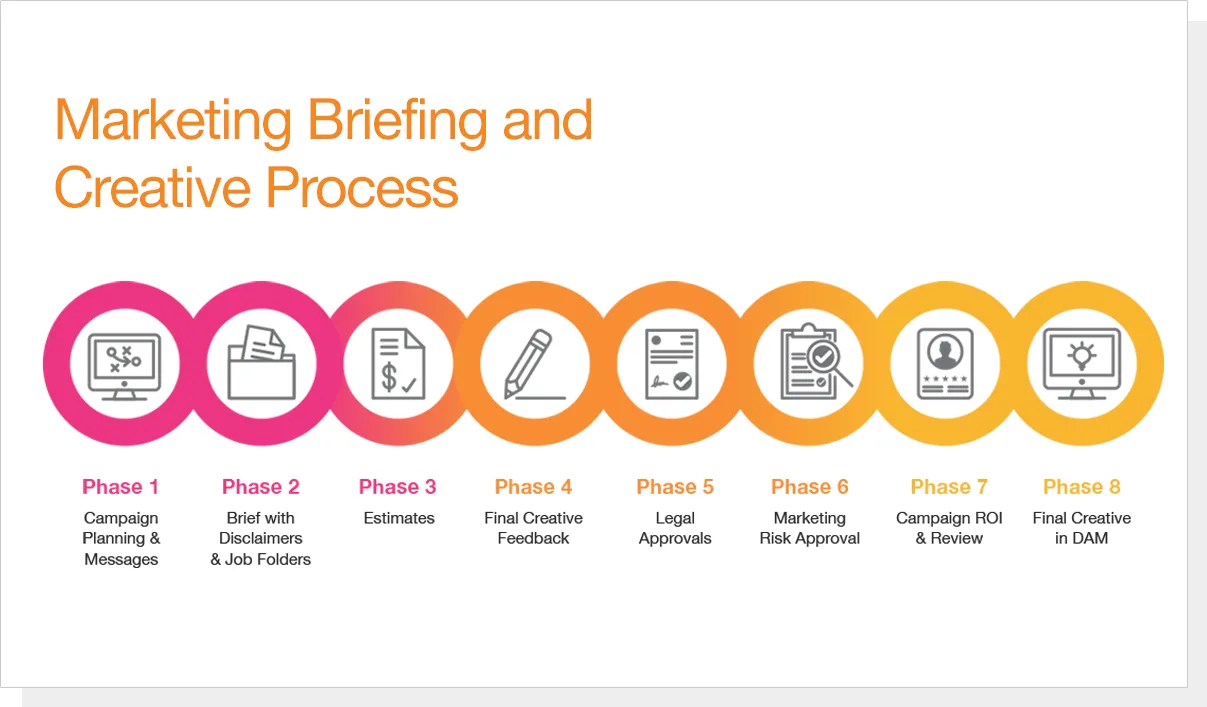
Ad rejection problems become much worse when creatives, copy, landing pages, account notes, and campaign history are spread across different systems. You may have one team writing the ads, another building the landing page, another managing the account, and another reviewing compliance. That makes it easy for mismatches and risky wording to slip through.
This is one of the reasons Appilot becomes useful when advertising operations start scaling. Instead of keeping browser workflows, Android automations, campaign assets, account notes, landing page reviews, and task history spread across different systems, everything can stay visible from one dashboard. That makes it easier to review creatives before launch, spot risky language, compare rejected campaigns, and keep ad operations more organized.
Conclusion: Most “Misleading Content” Rejections Come From Mismatched Or Overhyped Messaging
If Facebook rejected your ad for misleading content, the issue is usually not that the entire campaign is impossible to run. The problem is that the ad, landing page, or offer may look exaggerated, unclear, or inconsistent from Facebook’s point of view.
Once you make the messaging more transparent, align the landing page with the ad, remove unrealistic claims, and submit a cleaner appeal, it becomes much easier to get the campaign approved and avoid the same problem in the future.