Follower Growth Stopped After Automating? Here's Why
You Automated Everything But Growth Slowed Down
At first, automation feels like it should increase growth.
You post more consistently, publish more content, stay active across more accounts, and remove a lot of the manual work that used to slow everything down.
Then eventually something strange happens.
Follower growth slows down.
The content is still going out. The account is still active. The workflows are still running.
But new followers stop coming in.
That is one of the most frustrating problems in automation because the system looks healthy on the surface, but the growth is gone.
The issue is usually not that automation itself is bad.
The problem is that automation often removes the exact things that help accounts grow in the first place.
Why Automated Accounts Often Stop Growing
Most automated accounts eventually become too repetitive.
The same hooks appear over and over again. The same content formats get reused. The same image styles keep showing up. The same tone appears in every post.
Eventually, the audience stops paying attention.
People follow accounts because they want something interesting, useful, specific, or entertaining. If every post starts sounding the same, growth naturally slows down.
Another major issue is that many automated accounts stop reacting to what is happening right now.
Manual accounts often perform better because they react quickly to trends, platform changes, news, frustrations, bugs, or popular conversations.
Automated accounts are usually working from pre-planned schedules, which means the content may already feel outdated by the time it goes live.
That makes the account feel slower, less relevant, and less interesting.
The Biggest Mistake: Prioritizing Consistency Over Relevance
One of the biggest reasons follower growth slows down is because people become too focused on posting consistently.
Consistency matters, but consistency alone is not enough.
You can post every day and still grow very slowly if the content is too generic.
A lot of automated systems become obsessed with keeping the schedule full.
They keep posting because the calendar says to post, not because there is something genuinely useful, interesting, or relevant to say.
That creates content that feels forced.
The audience can tell when a post exists only because the system needed another piece of content.
Follower growth usually comes from stronger posts, not just more posts.
Why Accounts Stop Feeling Worth Following
People follow accounts because they expect value.
That value may come from entertainment, education, insights, opinions, news, tips, or a strong personality.
When automation becomes too rigid, the account starts losing that value.
The content becomes safer. Less opinionated. Less specific. Less emotional.
That makes the account feel forgettable.
Even if the posts are technically correct, they may no longer feel interesting enough for someone to follow.
The easiest way to fix this is by adding more variation back into the system.
Use different content formats. Rotate between stories, opinions, tutorials, myths, comparisons, mistakes, case studies, quick tips, and trend-based posts.
Change the way posts begin.
Sometimes start with a frustration. Sometimes start with a surprising observation. Sometimes start with a bold opinion or a short story.
That variation is what keeps people interested.
The System That Restarts Growth
The easiest way to improve follower growth after automation is to study the posts that still perform well.
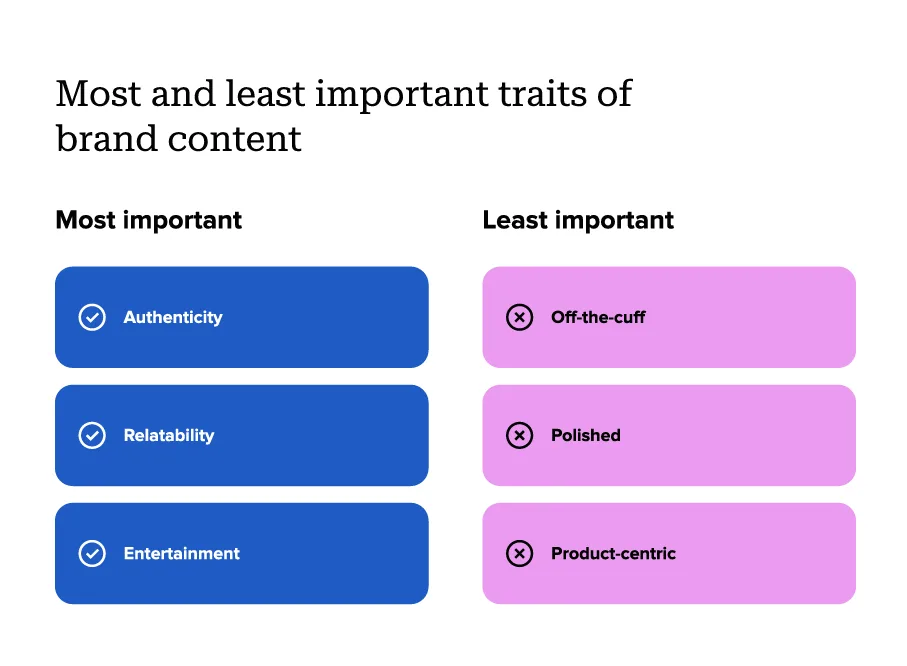
Usually, the best-performing posts are more specific, more opinionated, more emotional, or more useful than the weaker ones.
You may notice that stories perform better than generic tips. You may notice that strong opinions perform better than neutral explanations. You may notice that trend-based posts perform better than scheduled evergreen content.
Those patterns should be used to improve the system.
You should also leave room for reactive content.
Not everything should be scheduled weeks in advance.
There should always be space to post about new trends, new frustrations, new platform changes, or new opportunities as they happen.
That is what helps accounts feel alive.
Why Centralization Makes This Easier
It is much harder to understand why follower growth stopped when content schedules, browser profiles, Android workflows, posting history, and analytics are spread across different tools.
You may have one platform for scheduling, another for browser workflows, another for analytics, and another for content drafts.
That makes it difficult to see which content is helping growth and which content is causing stagnation.
This is one of the reasons Appilot becomes useful when content operations start scaling.
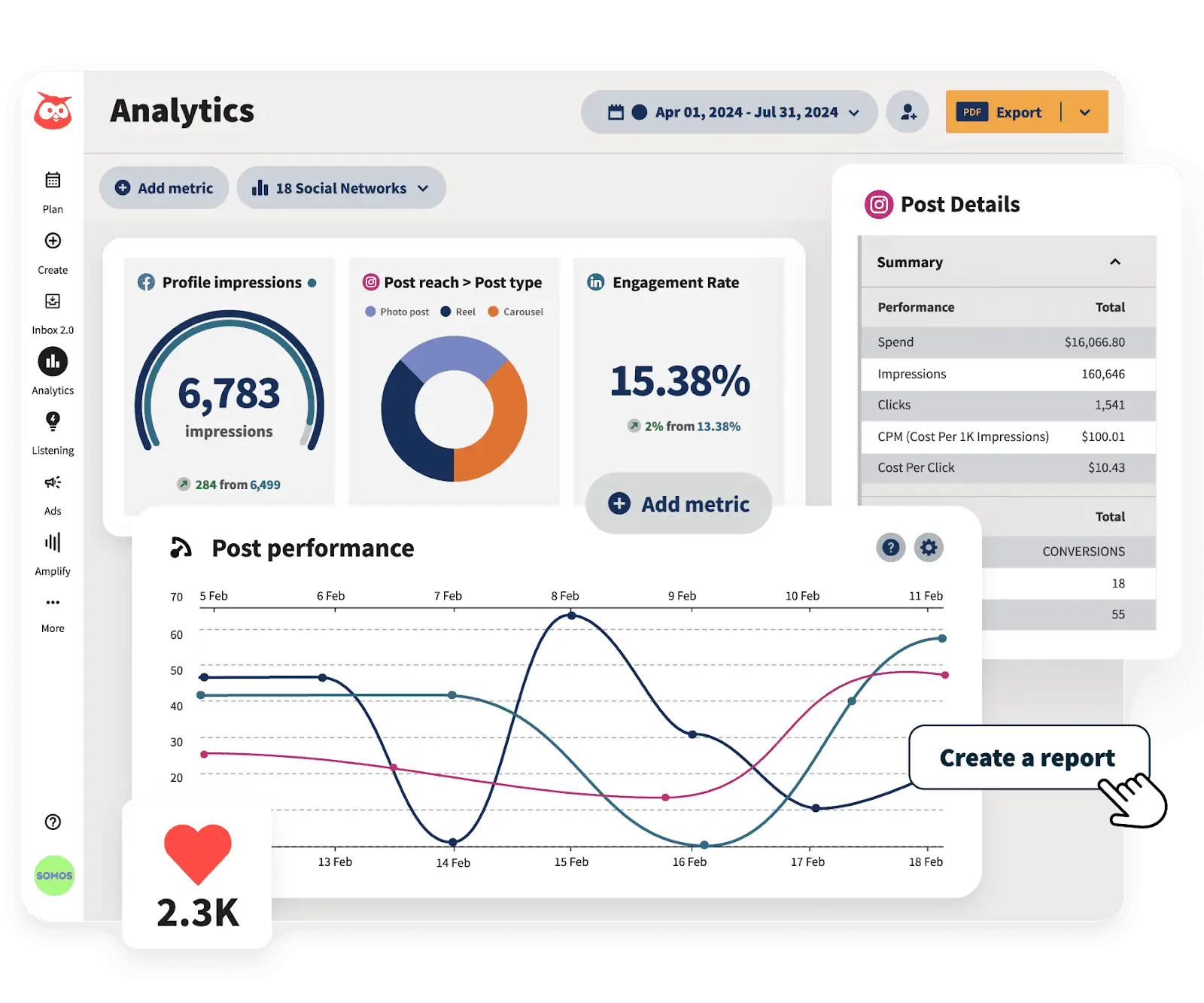
Instead of keeping browser profiles, Android workflows, schedules, content history, and account assignments spread across multiple systems, everything can stay visible from one dashboard. That makes it easier to compare growth patterns, identify weak content styles, and see which accounts need more variation or more reactive content.
Conclusion: Follower Growth Slows Down When Automation Removes What Makes The Account Interesting
If follower growth stopped after you automated, the issue is usually not the automation itself.
The problem is that the content became too repetitive, too predictable, and too disconnected from what people actually want to follow.
Once you add more variation, more relevance, more personality, and more reactive content back into the system, follower growth becomes much easier to recover.
That is what allows you to stay consistent without making the account feel boring, generic, or lifeless.