Gas Fees Eating All Your Airdrop Profits? Here’s the Solution
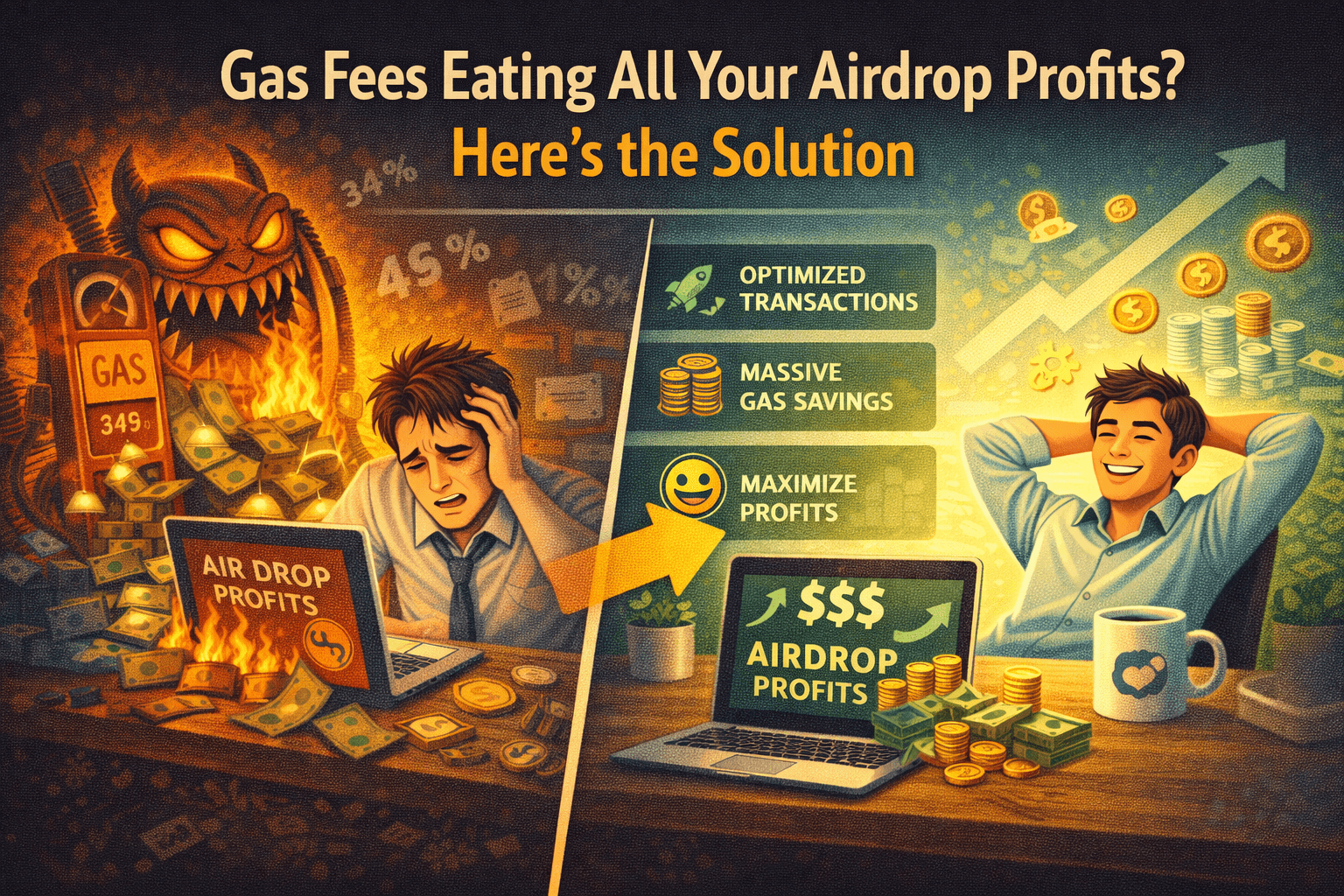
You finally qualify for an airdrop, tokens are distributed, everything looks good, but when you start interacting, claiming, swapping, or bridging, something frustrating happens, the gas fees start adding up, slowly eating into your profits until what looked like a reward barely feels worth it.
In some cases, the fees are so high that claiming or using the tokens costs almost as much as the reward itself, turning what should have been a win into a disappointing outcome.
This becomes even more frustrating when you realize that you did everything right, you followed the steps, stayed active, and qualified, yet the final result is reduced not by eligibility, but by transaction costs.
As you participate in more airdrops, this problem becomes more noticeable, because fees vary across networks, fluctuate based on demand, and can spike at the worst possible moments.
You might try to work around it by delaying transactions or switching networks, but without a structured approach, it becomes difficult to consistently minimize costs.
You are not alone in this, and more importantly, this is not something you have to accept, because while gas fees are unavoidable, how you interact with them can significantly change your outcomes.
The key is understanding why fees consume your profits and how to build a strategy that keeps your rewards intact.
Why Gas Fees Are Killing Your Profits
The issue is not just the existence of fees, but how and when transactions are executed.
- Network Congestion Drives Costs Up
When many users interact with a network simultaneously, gas prices increase, making transactions more expensive.
- Poor Timing Leads to Overpaying
Executing transactions during peak hours can result in significantly higher costs compared to quieter periods.
- Too Many Small Transactions
Frequent small actions can accumulate fees quickly, reducing overall profitability.
- Lack of Cost Awareness
Without tracking fees, it becomes difficult to understand how much is being spent relative to rewards.
The Hidden Cost of Ignoring Fees
Ignoring gas fees does not just reduce profits, it can turn profitable strategies into unprofitable ones.
You may end up spending more on transactions than you earn from airdrops, especially when managing multiple wallets.
More importantly, it creates inefficiency, where effort and resources are not optimized.
The Complete Solution: Optimize Every Transaction
The key to solving this problem is not avoiding transactions, but optimizing them.
The first step is timing, executing transactions during periods of lower network activity to reduce costs.
The next step is batching actions, combining multiple tasks into fewer transactions where possible, reducing the total number of fees paid.
Network selection also plays a role, because some networks offer lower fees while still providing valuable opportunities.
Automation can help here by executing transactions at optimal times and ensuring consistency.
A practical way to implement this is by using a platform like Appilot, which allows you to schedule and execute workflows efficiently, reducing unnecessary costs.
By combining timing, batching, and strategic execution, you can significantly reduce the impact of gas fees and improve overall profitability.
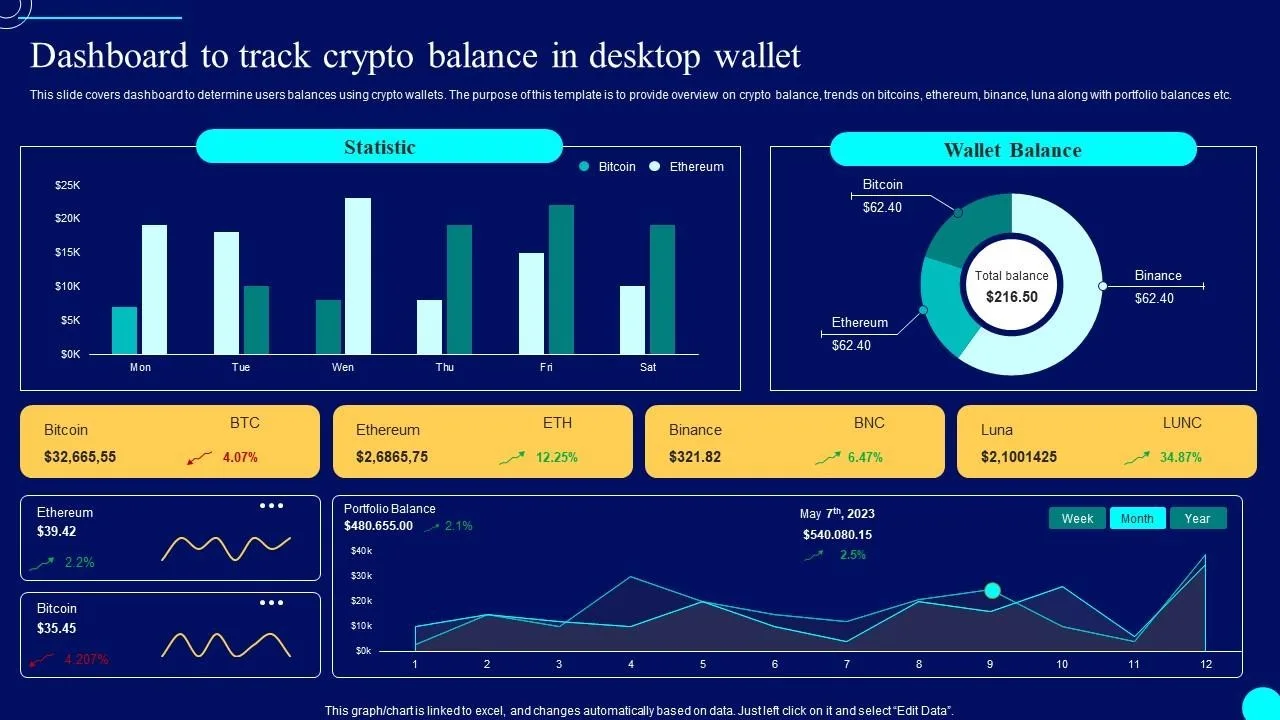
The next step is monitoring costs, ensuring that your strategy remains efficient over time.
How to Prevent Fees From Eating Your Profits Again
Prevention starts with maintaining awareness of network conditions and adjusting your strategy accordingly.
Regular reviews help you identify patterns in fees and optimize your timing.
Automation ensures that transactions are executed efficiently, reducing manual errors and missed opportunities.
Common Mistakes That Increase Costs
One of the most common mistakes is executing transactions without checking current gas prices.
Another is performing too many small actions instead of batching them.
There is also a tendency to ignore alternative networks that offer lower fees.
Real Success Stories: Before and After
A user participating in multiple airdrops found that their profits were significantly reduced by gas fees.
After optimizing their strategy and using Appilot for efficient execution, they were able to reduce costs and improve profitability.
Another example involved a participant who adjusted their timing and batching strategy, resulting in better outcomes.
Frequently Asked Questions
One common question is whether gas fees can be eliminated entirely, and while they cannot, they can be minimized significantly.
Another question is how to choose the right network, and this depends on opportunities and cost efficiency.
There is also the concern about complexity, and a structured approach simplifies decision-making.
Conclusion: Keep Your Profits, Not Just Your Rewards
If gas fees are eating your airdrop profits, it is not because the opportunity is flawed, but because the execution needs to be optimized.
Once you focus on timing, batching, and efficient execution, you can keep more of what you earn.
If you are dealing with this right now, the best step forward is not to avoid airdrops, but to refine your strategy, because once you do, your rewards will actually translate into real profits.