GDPR Compliance Nightmare with Multi-Account Data? Here’s Help

At first, handling data feels straightforward, you collect what you need, store it where it makes sense, and use it to run your workflows, campaigns, or automation, but as your system grows, as you manage more accounts, more clients, and more data sources, something begins to shift.
Data starts living in multiple places, across tools, accounts, spreadsheets, dashboards, and workflows, and what once felt organized becomes fragmented, making it difficult to answer simple questions like where data is stored, who has access to it, and how it is being used.
Then GDPR enters the picture, with requirements around consent, storage, access, deletion, and transparency, and suddenly what used to be a manageable system turns into something that feels overwhelming, because compliance is no longer about individual actions, but about the entire structure of your data handling.
You start worrying about whether you are storing data correctly, whether you can respond to requests like data deletion or access, and whether your system could expose you to risk without you even realizing it.
You are not alone in this, and more importantly, this is not because GDPR is impossible to manage, but because most systems are not designed with compliance in mind from the beginning.
The good news is that once you understand why multi-account data becomes so difficult to manage under GDPR and how to restructure your system, you can move from confusion to clarity and operate with confidence.
Why GDPR Becomes a Nightmare in Multi-Account Systems
The complexity does not come from GDPR itself, but from how data is distributed across your system.
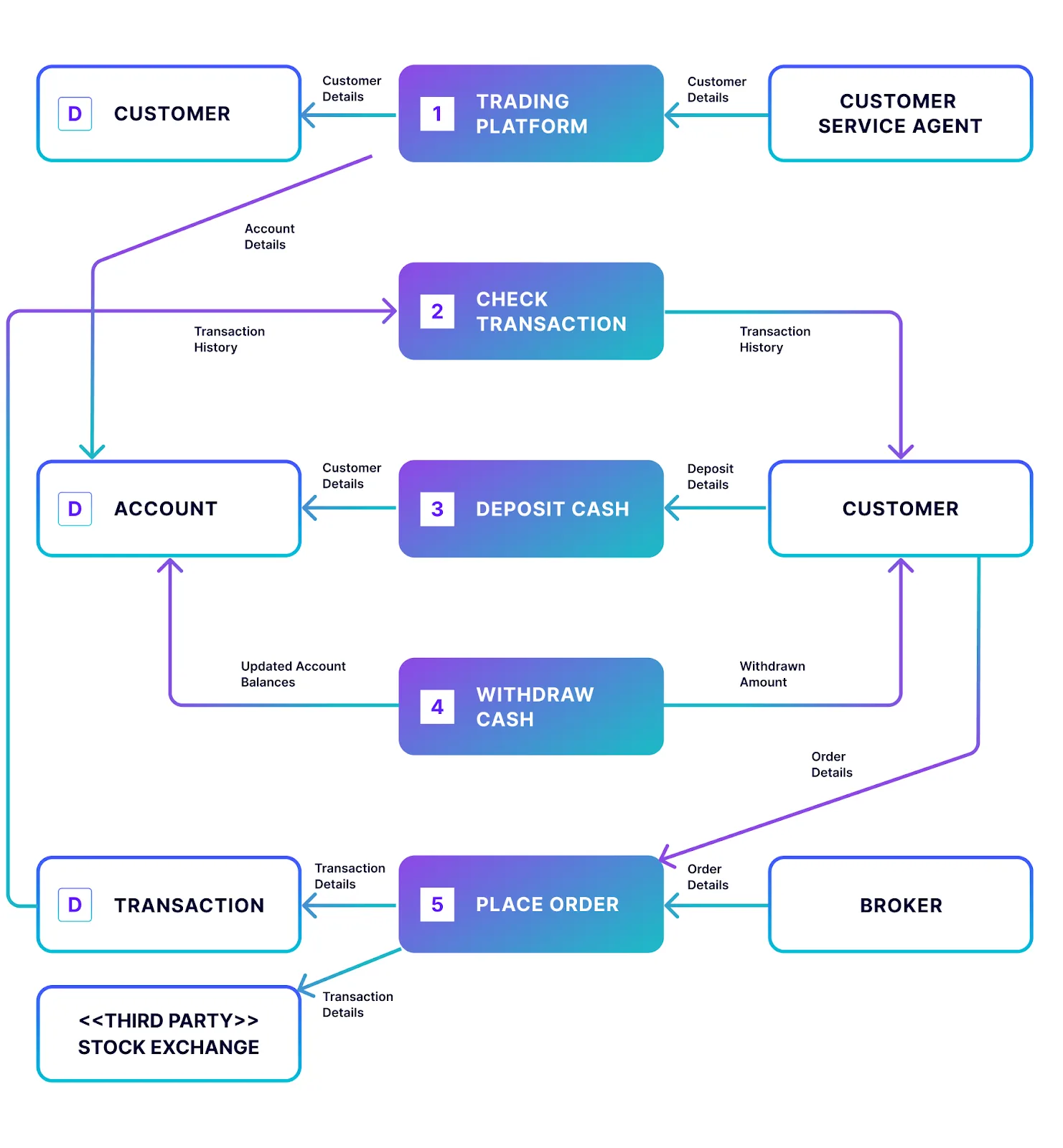
- Data Is Scattered Across Multiple Systems
When data is stored in different tools, accounts, and environments, it becomes difficult to track and manage consistently.
- Lack of Central Visibility
Without a centralized view, you cannot easily see what data you have, where it is stored, or how it is being used, which makes compliance difficult.
- Inconsistent Processes
Different accounts and workflows may handle data differently, creating inconsistencies that increase risk.
- Difficulty Handling Data Requests
GDPR requires you to respond to requests such as data access or deletion, which becomes challenging when data is spread across multiple systems.
The Hidden Cost of Poor Data Compliance
Non-compliance does not just create legal risk, it also affects trust, because clients and users expect their data to be handled responsibly.
You may spend significant time trying to locate and manage data, reducing efficiency and increasing operational complexity.
More importantly, it creates uncertainty, making it harder to scale because every new account adds more complexity to your system.
The Complete Solution: Build a GDPR-Friendly System
The key to handling GDPR effectively is not trying to manage complexity, but reducing it through structure and visibility.
The first step is centralizing data management, ensuring that you have a clear view of what data exists and where it is stored, even if it is physically distributed across systems.
Next, you need to standardize how data is collected, stored, and used, ensuring that all accounts and workflows follow the same rules and processes.
Automation plays a critical role here, because it allows you to enforce consistent data handling practices and reduce the risk of human error.
A practical way to support this structure is by using a platform like Appilot, which helps you manage workflows in controlled environments, making it easier to track and isolate data across accounts.
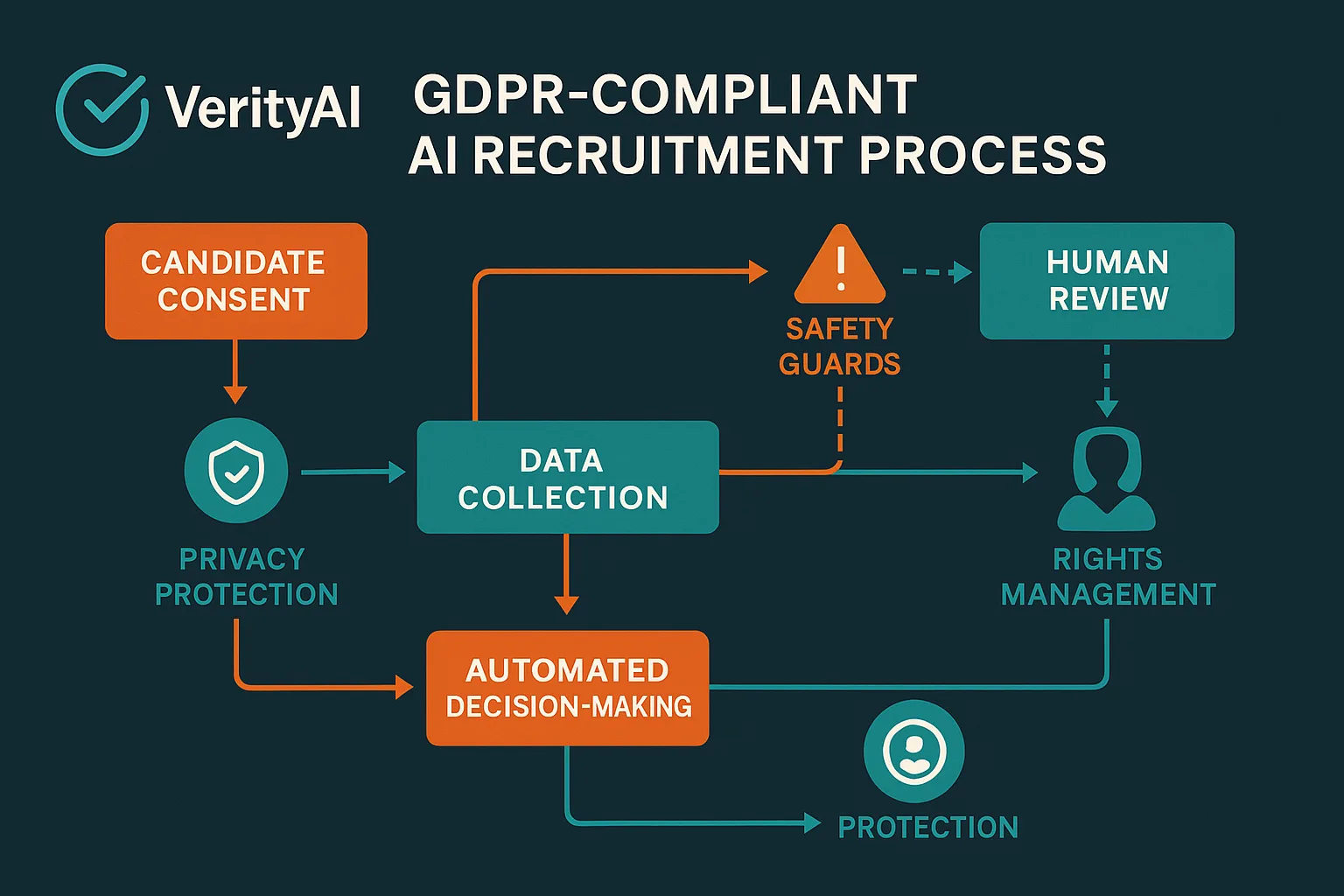
By combining centralized visibility with standardized processes and controlled execution environments, you create a system where data is easier to manage and compliance becomes part of the workflow rather than an afterthought.
The final step is implementing clear protocols for handling data requests, ensuring that you can respond quickly and accurately when needed.
How to Prevent Compliance Issues From Returning
Prevention starts with maintaining consistency across your system, ensuring that new accounts and workflows follow the same structured approach.
Regular audits help you identify gaps and ensure ongoing compliance.
Automation ensures that processes remain consistent, reducing the risk of errors.
Common Mistakes That Make GDPR Harder Than It Needs to Be
One of the most common mistakes is treating compliance as an afterthought rather than building it into the system from the start.
Another is relying on manual processes, which are difficult to maintain and prone to error.
There is also a tendency to overlook smaller data sources, which can create hidden risks.
Real Success Stories: Before and After
A business managing multiple accounts struggled with tracking and managing data across different systems, making GDPR compliance feel overwhelming.
After restructuring their system and using Appilot for controlled execution, they were able to improve visibility and simplify compliance.
Another example involved a team that faced challenges with data requests, but after standardizing their processes, they were able to respond more efficiently and confidently.
Frequently Asked Questions
One common question is whether GDPR compliance is achievable for complex systems, and while it requires effort, it is entirely possible with the right structure.
Another question is how to handle data across multiple accounts, and the answer lies in centralizing visibility and standardizing processes.
There is also the concern about cost, and while compliance requires investment, it reduces long-term risk.
Conclusion: Turn Compliance Into a System, Not a Struggle
If GDPR compliance feels like a nightmare in your multi-account system, it is not because the requirements are impossible, but because your system is not structured to handle them efficiently.
Once you shift to a centralized, standardized, and automated approach, compliance becomes manageable and predictable.
If you are dealing with this right now, the best step forward is not to manage complexity manually, but to redesign your system, because once you do, compliance becomes a built-in feature rather than a constant challenge.