Google Ads Suspended Your Account for "Circumventing Systems"
The Account Was Running Fine Until Google Suddenly Shut It Down
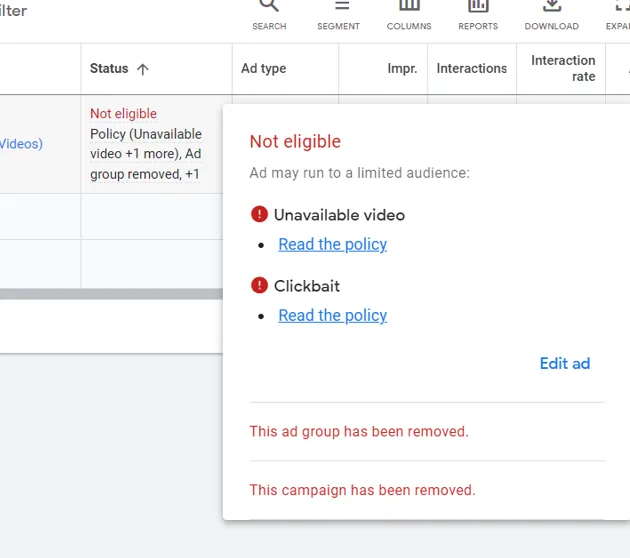
One of the most serious Google Ads problems is getting suspended for “circumventing systems.” Unlike a normal ad disapproval, this type of suspension can stop the entire account immediately. Campaigns stop running, billing is paused, new ads cannot launch, and in many cases the suspension affects multiple related accounts at once.
This becomes even more frustrating because Google usually does not explain the exact reason clearly. Instead of pointing to one ad, one landing page, or one billing issue, the platform often gives a broad suspension notice and leaves you trying to figure out what actually triggered it.
The important thing to understand is that “circumventing systems” is one of Google’s broadest and most serious policy categories. It usually means Google believes the account is trying to avoid restrictions, hide information, or bypass policies in a way that looks intentionally deceptive.
Why Google Flags Accounts For Circumventing Systems
Most circumventing systems suspensions happen because Google sees patterns that suggest the advertiser is hiding something or trying to work around the platform’s rules.
For example, using multiple accounts after one account was suspended, changing domains repeatedly, redirecting users to different landing pages, hiding final URLs, using cloaking tools, showing different content to reviewers, or creating inconsistent business details can all increase suspension risk.
Google also dislikes situations where the business name, payment method, billing address, domain ownership, phone number, or verification information changes too often.
Even if the account is not intentionally trying to deceive Google, too many unusual changes can make the system think something suspicious is happening.
The Biggest Mistake: Creating New Accounts Immediately
One of the biggest mistakes advertisers make after getting suspended is creating a new account right away.
That often makes the situation worse.
If Google sees a new account with similar billing details, the same domain, the same device, the same IP address, or the same business information, the new account may get suspended quickly as well.
From Google’s point of view, creating new accounts immediately can look like an attempt to bypass the original suspension.
The stronger approach is understanding the root cause before taking action.
Look at recent changes in billing, domains, landing pages, account access, business information, redirects, and ad behavior. If there is something that could look suspicious, fix it first before appealing.
Why Landing Pages Cause So Many Problems
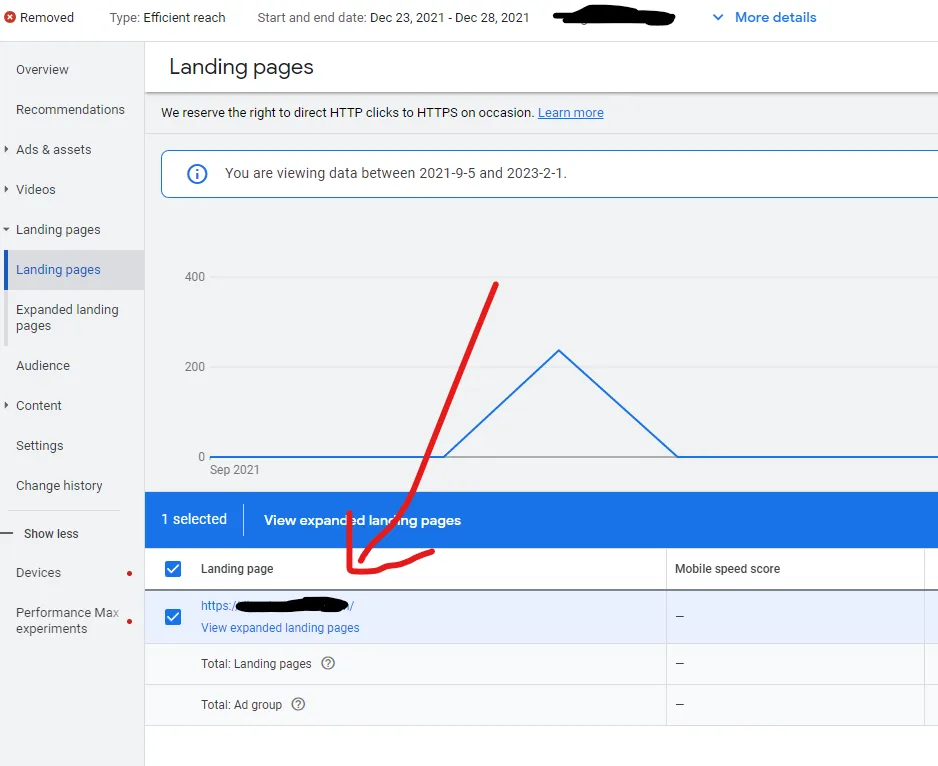
A lot of circumventing systems suspensions are caused by landing page issues.
Google expects the landing page to clearly show who the business is, what the product or service is, how the offer works, and where the user is going.
If the page uses excessive redirects, hides pricing, lacks business information, contains fake countdown timers, uses misleading claims, or sends users to different pages after clicking, the suspension risk becomes much higher.
This becomes especially common in industries like affiliate marketing, crypto, finance, lead generation, software downloads, and dropshipping because those categories already receive more scrutiny.
That is why reviewing the landing page carefully is often more important than reviewing the ad itself.
Why Inconsistent Business Information Raises Red Flags
Google wants to see a stable business identity.
If the account uses one business name in the ads, another on the landing page, another in the billing profile, and another in the contact information, the system may see that as suspicious.
The same thing happens when multiple businesses share the same account, when domains change frequently, or when business verification information does not match what appears on the website.
This is especially important if you manage multiple accounts because Google often compares related account behavior.
If several accounts use similar payment methods, similar domains, similar landing pages, or similar business details, a problem in one account can sometimes affect the others.
How To Write A Strong Appeal
A good appeal should stay calm, clear, and factual.
Do not complain emotionally, accuse Google of being unfair, or send multiple appeals with different stories.
Instead, explain that you reviewed the account carefully, identified possible issues, fixed them, and want another review.
You can mention that you removed redirects, updated business information, improved landing pages, and confirmed that the account now follows Google Ads policies.
For example:
We reviewed the account carefully and identified areas that may have caused confusion around our business information and landing page experience. We updated the account to ensure that business details, billing information, domains, and landing pages are now fully consistent and transparent. We also removed unnecessary redirects and confirmed that the ads and website now follow Google Ads policies. We respectfully request another review of the account.
Why Better Systems Reduce Suspension Risk
Suspension problems become much harder to manage when browser profiles, ad accounts, payment methods, landing pages, business information, and campaign history are spread across different systems. You may have one tool for browser management, another for payments, another for creatives, and another for reporting. That makes it difficult to see where inconsistencies are appearing.
This is one of the reasons Appilot becomes useful when advertising operations start scaling. Instead of keeping browser workflows, Android automations, campaign assets, account notes, business verification details, landing page reviews, and task history spread across different systems, everything can stay visible from one dashboard. That makes it easier to review account consistency, monitor risky changes, compare related accounts, and reduce the chance of future suspensions.
Conclusion: “Circumventing Systems” Usually Means Google Thinks The Account Looks Inconsistent Or Deceptive
If Google Ads suspended your account for circumventing systems, the issue is usually not one single ad. The problem is that Google sees a pattern of behavior across domains, billing, landing pages, redirects, business information, or related accounts that looks suspicious.
Once you make the business details more consistent, clean up landing pages, reduce redirects, avoid creating replacement accounts too quickly, and submit a clear appeal, it becomes much easier to recover the account and reduce the risk of future suspensions.