How Fashion Influencers Use Instagram Bots to Land Brand Deals
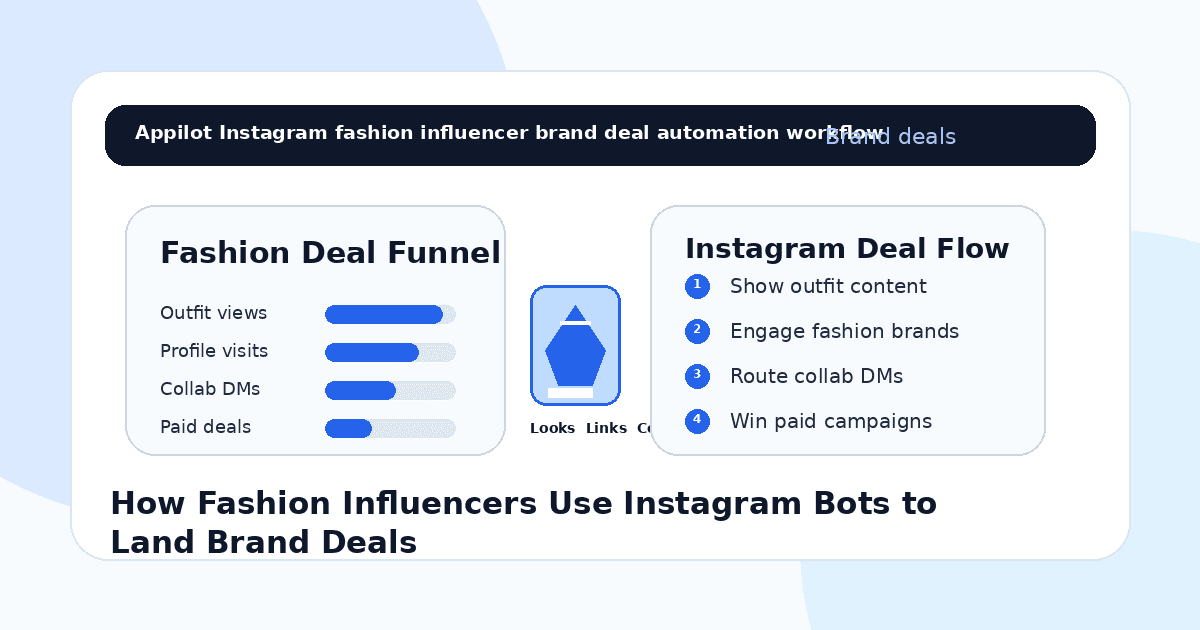
You post a clean outfit reel on Instagram. The styling looks strong, the caption tags the pieces, and the story invites followers to ask for links.
A few people save it. Someone asks where the jacket is from. Another wants your sizing details. A small fashion brand sends a collab DM, but it gets buried under follower replies and story reactions.
That is the challenge for fashion influencers. Instagram can create visibility, but brand deals do not come from posting outfits alone. You need consistent audience growth, fast replies, clear media kit routing, niche authority, and a professional way to manage collaboration requests.
Instagram bots help fashion influencers handle repeated comments, outfit-link questions, story replies, media kit requests, and brand DMs without manually checking every notification all day.
The goal is not to fake influence. The goal is to make your real style, audience, and brand value easier for the right companies to discover.
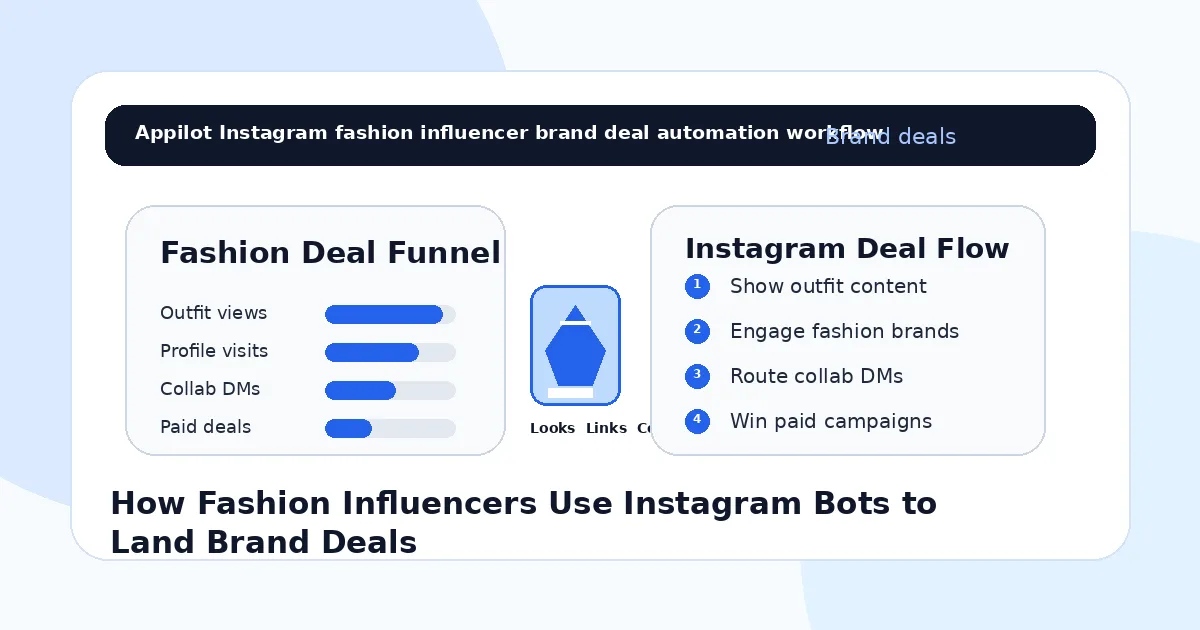
Why Instagram Works for Fashion Influencers
Instagram is one of the strongest platforms for fashion creators because style is visual, fast-moving, and highly personal.
Followers want outfit inspiration, product links, styling ideas, seasonal looks, capsule wardrobes, trend opinions, shopping guides, brand reviews, and behind-the-scenes content. Brands want creators who can make products feel real, wearable, and desirable.
A fashion influencer does not need millions of followers to land deals. A smaller creator with a focused audience can be valuable if the followers trust their taste and act on recommendations.
The problem is that fashion content creates many small interactions. People ask for links, sizes, colors, discount codes, outfit details, collabs, rates, shipping notes, and where to buy. If those messages are missed, the creator loses both follower trust and business opportunities.
Automation helps organize those moments.
What Instagram Bots Mean for Fashion Influencers
Instagram bots use workflows to respond to comments, story replies, DMs, keywords, profile engagement, and collaboration requests.
For fashion influencers, bots can send outfit links, affiliate links, size notes, media kits, rate cards, booking forms, discount codes, brand inquiry forms, or shopping guides when someone asks.
Real-device automation is useful because it runs through the actual Instagram app on Android devices or emulators. This behaves more like normal mobile usage than fragile desktop scripts or risky shortcuts.
A platform like Appilot is built for this kind of workflow. It lets fashion influencers run Instagram automation on Android devices or emulators from a browser dashboard, without coding, ADB setup, or keeping a phone connected all day. That means creators can keep outfit replies and brand inquiries moving while focusing on styling, filming, editing, partnerships, and content planning.
Automation should support the creator brand. It should not make the page feel robotic.
Step 1: Build a Clear Fashion Niche
Before using Instagram bots, fashion influencers need a clear style lane.
A broad fashion page can grow, but a focused fashion identity is easier for brands to understand. A stronger niche might be modest fashion, streetwear, luxury styling, thrift fashion, capsule wardrobes, petite fashion, plus-size styling, men’s fashion, workwear, sustainable fashion, wedding guest outfits, or budget-friendly looks.
This matters because automation magnifies positioning.
If your niche is unclear, the bot may help you reply faster but not attract better brand deals. If your niche is clear, automation helps more relevant followers and brands understand what you represent.
Your niche should guide your reels, stories, hashtags, highlights, outfit links, brand outreach, and media kit.
A creator with a clear style identity is easier for brands to book.
Step 2: Make Your Profile Brand-Ready
A brand should understand your value within seconds.
Your bio should explain your niche, location or market if relevant, and contact path. Your highlights should include outfit links, audience stats, past collaborations, testimonials, style categories, press, and a clear “work with me” section.
Your pinned posts should show your strongest style, best-performing content, and proof that your audience engages.
Automation can bring more brands and followers to your profile, but the profile needs to convert that attention into trust.
A fashion influencer’s profile should feel like both a creative portfolio and a business asset.
Step 3: Automate Outfit Link Requests
Fashion followers often ask the same questions.
They want to know where an item is from, what size you wear, whether there is a discount code, whether the item is still available, what alternatives exist, and how to style it.
These questions are perfect for automation because they repeat often.
If someone comments “link,” the workflow can send the outfit details. If someone replies “jacket,” the bot can send the product link. If someone asks for “dress,” it can send the dress page or shopping guide.
This is where Appilot fits naturally. Fashion influencers can run Instagram comment and DM workflows through Android devices or emulators while managing outfit-link requests from one dashboard.
Fast replies make followers more likely to shop through your links and return for future recommendations.
Step 4: Use Story Automation for Shopping Guides
Stories are one of the best sales surfaces for fashion creators.
You can post outfit polls, try-on hauls, seasonal looks, capsule wardrobe ideas, sale finds, brand reviews, and “this or that” style prompts. Then you can invite followers to reply with a keyword.
For example, “Reply LINKS for the full outfit,” “Reply SALE for today’s finds,” “Reply WORKWEAR for my office outfit guide,” or “Reply CAPSULE for the wardrobe checklist.”
Automation can send the right link or guide instantly.
This keeps the shopping experience smooth and helps the creator monetize through affiliate links, digital guides, or brand campaigns without manually replying to every story reaction.
Step 5: Route Brand DMs Professionally
Brand DMs can easily get lost.
A fashion brand, PR agency, boutique, beauty brand, jewelry company, shoe label, or styling app may ask for your rates, audience stats, availability, address, past work, or media kit.
Automation can help route these messages quickly.
If someone sends “collab,” “rates,” “media kit,” “partnership,” “PR,” or “gifted,” the workflow can ask whether they want paid content, gifting, affiliate work, UGC, event coverage, or a long-term partnership.
Then it can send the correct media kit, inquiry form, or email path.
Appilot-style workflows help creators manage these repeated brand inquiry steps without scripts, command-line setup, or manual device work.
A professional reply system can help turn more brand interest into paid campaigns.
Step 6: Protect Your Audience Trust
Fashion influence depends on taste and trust.
If every post becomes an ad, followers may stop believing your recommendations. If you promote low-quality products, poor-fit brands, or irrelevant offers, your audience may disengage.
Automation should not blast every follower with product links. It should respond when someone asks, replies to a story, comments a keyword, or shows clear interest.
A strong fashion influencer uses automation to make helpful links easier to access, not to pressure followers into buying.
The more your audience trusts your style, the more valuable your brand deals become.
Step 7: Use Automation to Support Affiliate Revenue
Brand deals are important, but affiliate revenue can also be a strong income stream for fashion influencers.
Followers often want outfit links, discount codes, product alternatives, size notes, and styling guides. Automation can help deliver those links quickly.
For example, a creator can post a reel showing three ways to style a blazer and invite people to comment “BLAZER” for links. The bot can send the exact item, similar alternatives, and a sizing note.
This helps the creator monetize normal content without making every post feel like a sponsored campaign.
Affiliate automation works best when the links are relevant and genuinely useful.
Step 8: Track What Gets Brand Deals
Do not measure Instagram bots only by follower growth.
For fashion influencers, better metrics include story replies, outfit link requests, affiliate clicks, saved posts, share rate, brand DMs, media kit requests, paid campaign inquiries, repeat partnerships, and revenue by content type.
You should also track what brands respond to. Try-on hauls may bring fashion retailers. Styling tips may bring personal styling apps. Outfit reels may bring clothing brands. Beauty looks may bring cosmetics companies. Lifestyle content may bring travel, wellness, or home brands.
Automation gives you more signals. Tracking tells you which signals help you land better deals.
Common Mistakes Fashion Influencers Should Avoid
Automating Generic Replies
Followers ask specific style questions. Generic replies can make the creator feel less personal and less trustworthy.
Accepting Every Brand Deal
The wrong sponsor can weaken your audience trust. Choose brands that fit your style and values.
Ignoring Brand DMs
Collaboration messages can get buried quickly. Use automation to route media kit and rate requests faster.
Sending Links Too Aggressively
Send links when followers ask or reply to clear prompts. Avoid spammy mass DMs.
Measuring Only Followers
Followers matter, but brand inquiries, affiliate clicks, saves, shares, and paid campaign revenue matter more.
Is Instagram Automation Right for Fashion Influencers?
Instagram automation is a good fit if you already post outfit content, receive link questions, use stories, work with brands, or earn affiliate revenue. It works especially well for fashion influencers, stylists, UGC creators, boutique creators, thrift creators, beauty-fashion creators, and lifestyle influencers with a strong style identity.
It may not be right if your profile is unclear, your audience is not engaged, or your brand-deal process is disorganized. Automation can help route attention, but your style, content quality, and trust still land the deal.
Think of Instagram bots as creator business assistants. They help manage repeated replies and inquiries while you keep the creative relationship human.
Final Thoughts
Fashion influencers use Instagram bots to land brand deals by turning outfit content, story replies, comments, and DMs into organized business opportunities.
The strongest workflow starts with a clear fashion niche, a brand-ready profile, outfit link automation, story shopping guides, brand DM routing, affiliate support, audience trust, and performance tracking. Automation handles repeated actions while the creator keeps style and personality human.
If you want to run Instagram automation without coding, ADB setup, or manual device management, Appilot gives fashion influencers a browser-based way to control Android devices, emulators, and ready-to-use bots for Instagram and other platforms. You can check it out at appilot.app.
FAQs
Q1: Can fashion influencers use Instagram bots to land brand deals?
Yes, bots can help route collab DMs, send media kits, answer outfit questions, and organize brand inquiries faster.
Q2: What should fashion influencers automate first?
Start with replies for “link,” “outfit,” “size,” “sale,” “media kit,” “rates,” “collab,” “PR,” and “partnership.”
Q3: Is Instagram automation safe for fashion creators?
It is safer when activity is gradual, relevant, and triggered by real interest. Spammy DMs can hurt trust and account health.
Q4: Can Appilot help fashion influencers automate Instagram?
Yes, Appilot can run Instagram workflows on Android devices or emulators from a browser dashboard without coding or ADB setup.
Q5: Does automation replace creator style?
No. Automation handles repeated replies and routing, but your taste, outfits, personality, and audience trust land the deals.