How to Audit Your Automation for Privacy Violations (Step-by-Step Without the Chaos)
Automation makes everything faster, more scalable, and more efficient, but it also introduces a layer of complexity that is easy to overlook, especially when it comes to privacy, because data moves quickly, across multiple systems, tools, and workflows, often without a clear picture of where it goes or how it is handled.
At first, this does not feel like a problem, because everything is working, data is being processed, workflows are running, and results are being delivered, but underneath that surface, there can be gaps, small inconsistencies, untracked data flows, or unclear access points that slowly increase your exposure.
The challenge is that privacy violations rarely announce themselves clearly, they do not always break your system or stop your workflows, instead they exist quietly, as hidden risks that only become visible when something goes wrong, whether it is a client concern, a compliance request, or an actual incident.
You might feel confident that your setup is secure, especially if you have taken basic precautions, but without a structured audit, it is difficult to know whether your system truly meets privacy expectations.
You are not alone in this, and more importantly, auditing your automation does not have to be overwhelming, because once you understand what to look for and how to approach it systematically, you can identify and fix issues without disrupting your operations.
Why Privacy Issues Go Unnoticed in Automation
The difficulty with privacy in automation is not just about security, but about visibility and control.
- Data Moves Faster Than You Can Track
In automated workflows, data flows across multiple layers, often faster than you can manually monitor.
- Systems Are Built for Function, Not Compliance
Most automation setups are designed to get tasks done efficiently, not to track how data is handled at every step.
- Inconsistent Handling Across Workflows
Different workflows may process data differently, creating inconsistencies that increase risk.
- Lack of Central Oversight
Without a centralized view, it becomes difficult to see the full picture of how data is being used.
The Hidden Cost of Ignoring Privacy Audits
Ignoring privacy risks does not just create compliance issues, it affects trust, because clients expect their data to be handled responsibly.
You may face legal exposure, operational disruptions, or reputational damage if issues arise.
More importantly, it creates uncertainty, making it harder to scale because every new workflow introduces potential risk.
The Complete Audit Framework: How to Identify and Fix Privacy Issues
Auditing your automation is not about checking everything at once, but about following a structured process that reveals how your system actually works.
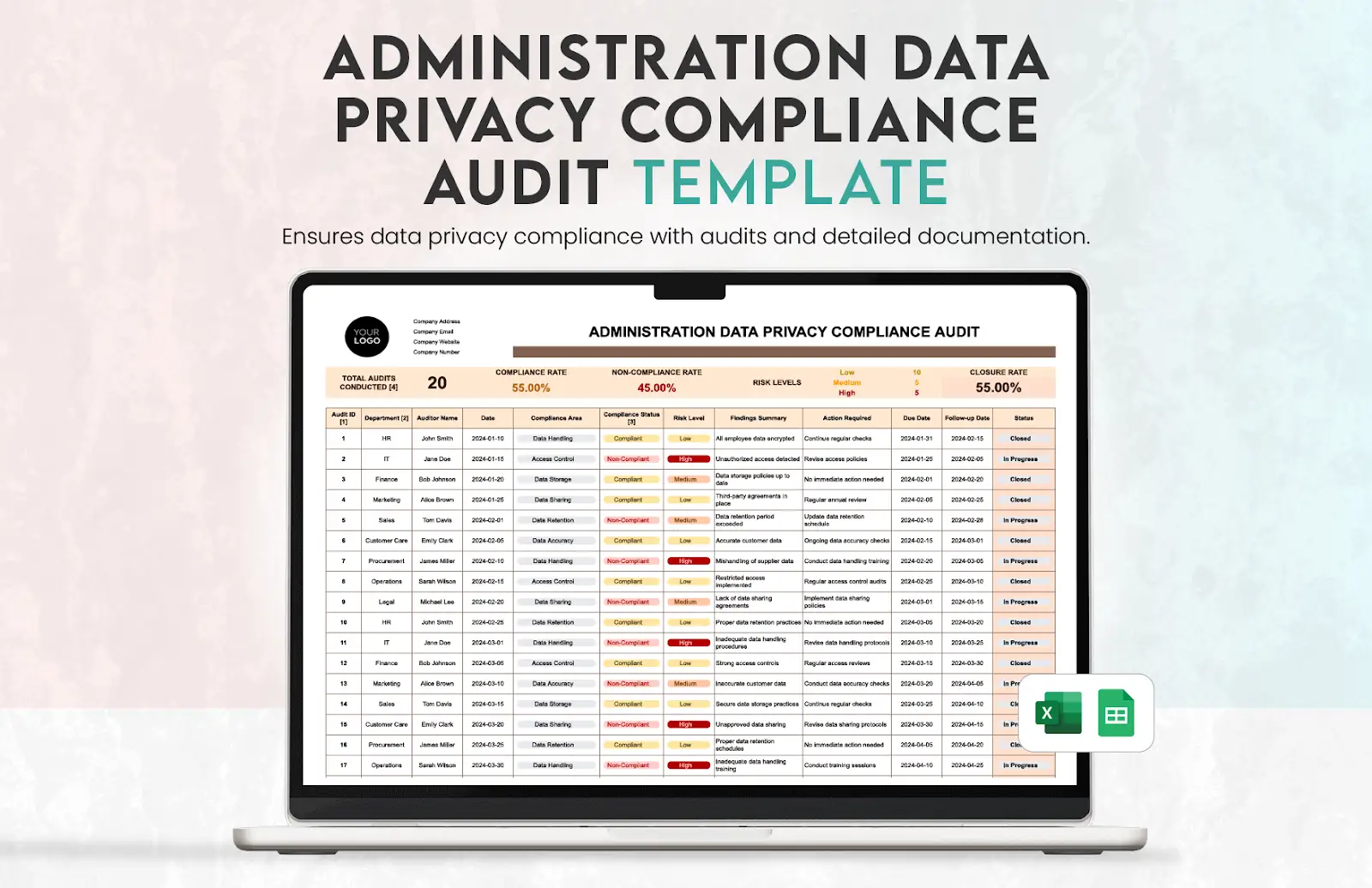
The first step is mapping your data flow, identifying where data enters your system, where it is stored, how it is processed, and where it is transferred, because without this visibility, it is impossible to assess risk accurately.
Once you have mapped your data, the next step is identifying access points, understanding who or what can access that data, including team members, systems, and integrations.
From there, you need to evaluate data minimization, ensuring that you are only collecting and storing what is necessary, because excess data increases exposure.
The next layer is process consistency, checking whether all workflows handle data in a standardized way or whether there are variations that could create gaps.
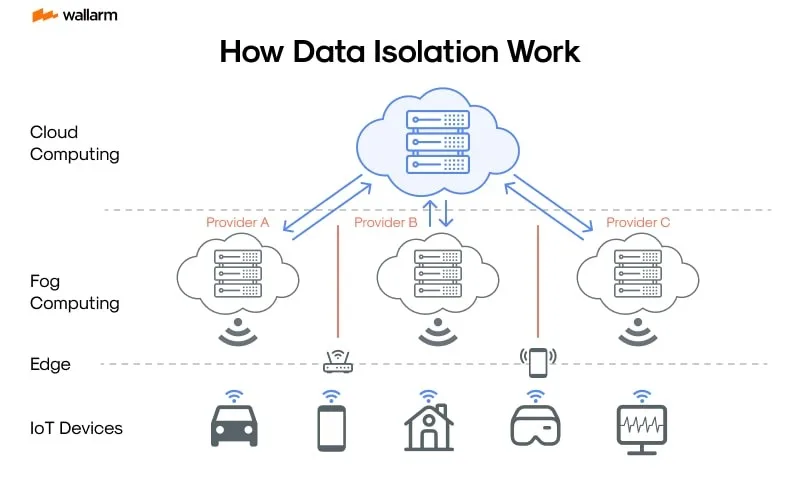
However, the environment in which your automation runs also matters, because shared or inconsistent environments can increase risk.
This is where using controlled execution environments becomes important, and platforms like Appilot help by running workflows on isolated devices, making it easier to track and control data across accounts.
Finally, you need to implement monitoring and alerts, ensuring that any unusual activity or deviation from expected behavior is detected early.
How to Fix Issues Without Breaking Your System
Once you identify privacy issues, the goal is to fix them without disrupting your workflows.
Start by prioritizing high-risk areas, focusing on where sensitive data is exposed or poorly controlled.
Then, standardize processes, ensuring that all workflows follow the same data handling rules.
Automation can help enforce these rules, reducing variability and improving consistency.
Gradual implementation is key, making changes step by step rather than overhauling everything at once.
How to Keep Your System Privacy-Compliant Over Time
Privacy is not a one-time fix, it requires ongoing attention.
Regular audits help you stay aligned with evolving requirements and identify new risks as your system grows.
Automation can help maintain consistency, while monitoring ensures that issues are detected early.
Common Mistakes That Make Audits Ineffective
One of the most common mistakes is trying to audit everything at once, which can be overwhelming and unproductive.
Another is focusing only on technical aspects while ignoring process and access issues.
There is also a tendency to treat audits as one-time tasks rather than ongoing processes.
Real Success Stories: Before and After
A business running multiple automation workflows believed their system was secure, but after conducting a structured audit, they discovered gaps in data handling and access control.
After restructuring their system and using Appilot for controlled execution, they were able to improve visibility and reduce risk.
Another example involved a team that struggled with compliance uncertainty, but after implementing regular audits, they achieved greater confidence and stability.
Frequently Asked Questions
One common question is how often audits should be conducted, and regular reviews are essential, especially as your system evolves.
Another question is whether audits are complex, and while they require structure, they become manageable with a clear framework.
There is also the concern about disruption, and a gradual approach ensures that workflows remain stable.
Conclusion: Turn Privacy Into a Strength
Auditing your automation for privacy violations is not about finding faults, it is about understanding your system and making it stronger.
Once you have visibility, control, and consistency, privacy becomes manageable rather than overwhelming.
If you are dealing with this right now, the best step forward is not to ignore potential risks, but to address them proactively, because once you do, you create a system that is not only efficient but also trustworthy.