How to Build Cloudflare-Friendly, Reliable Web Workflows
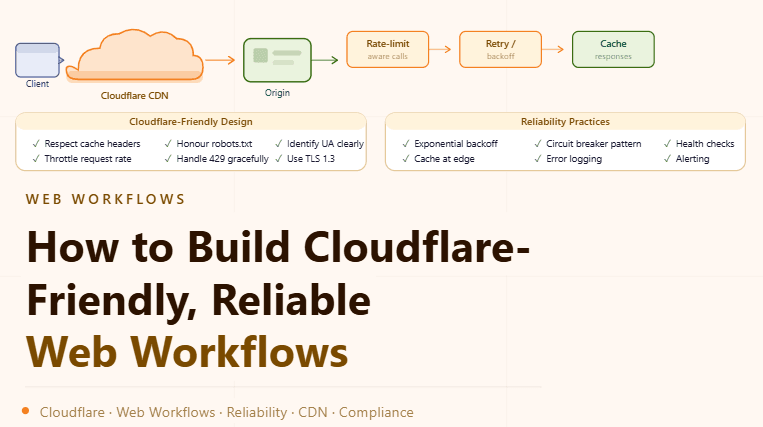
By the end of this tutorial, you will understand how to structure web interactions so they are stable, predictable, and aligned with normal usage patterns rather than relying on fragile workarounds. Systems that emphasize consistency, quality requests, and proper access methods tend to perform better over time and encounter fewer interruptions. To follow along, you only need a basic understanding of how your workflow sends requests or interacts with web services. The focus here is on building a sustainable system rather than shortcuts. This setup typically takes less than an hour to outline, but it greatly improves long-term reliability. If you manage multiple workflows, Appilot can help orchestrate execution while your system ensures controlled and responsible activity. You will build a system that prioritizes steady behavior, clean request patterns, and proper access methods.
Why Systems Like Cloudflare Trigger Challenges
Cloudflare is designed to protect websites from abusive or unusual traffic. When request patterns are inconsistent, too aggressive, or technically irregular, they can appear abnormal compared to standard user behavior. This is why stable and predictable systems are important.
Use Official APIs and Structured Access
Whenever possible, use official APIs or approved data access methods instead of directly interacting with web pages. APIs are designed for automation and provide a more reliable and stable interface.
Maintain Consistent Request Patterns
Sending requests at a steady pace instead of bursts helps maintain predictable behavior. Consistency in timing and structure reduces variability and improves reliability.
Limit Unnecessary Requests
Only request the data you actually need. Excessive or redundant requests can create noise and reduce system efficiency. Focused workflows are easier to manage and less likely to encounter issues.
Implement Proper Error Handling
Even well-designed systems encounter errors. Handling failures gracefully, with retries and delays, ensures that workflows continue running smoothly without creating instability.
Monitor Performance and Adjust
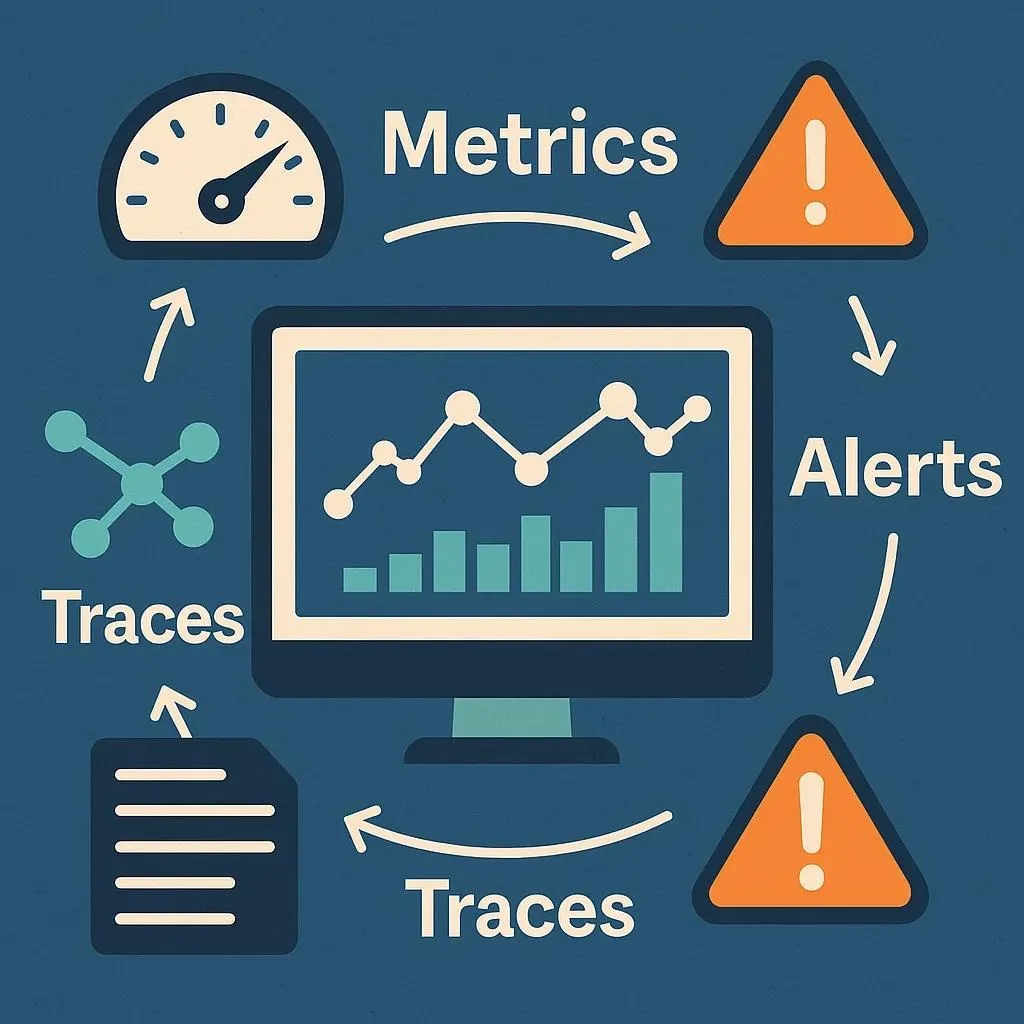
Tracking metrics such as request success rate, response time, and error frequency helps you understand how your system behaves. Monitoring allows you to adjust your workflow before problems grow.
Avoid Sudden Changes in Behavior
Large changes in request volume or structure can create inconsistencies. Gradual adjustments help maintain a stable pattern and prevent unexpected issues.
Keep Configuration Simple and Clean
Overly complex setups can introduce unexpected behavior. A simple, well-structured system is easier to maintain and more predictable.
Respect Website Policies and Terms
Following the rules set by websites ensures that your workflows remain compliant and reduces the risk of disruptions. This is essential for long-term stability.
Integrate Stability Into Workflow Design
Stability should be part of your system design from the beginning. Building workflows around predictable behavior ensures consistent performance over time.
Scaling Reliable Workflows with Appilot
At this stage, your system works locally and maintains stable behavior. As workflows grow, coordinating requests and monitoring performance manually becomes more complex. This is where Appilot becomes useful because it helps orchestrate workflows while your system ensures consistent and reliable operation.
FAQ
Q1: Why does Cloudflare show challenges?
Because it detects unusual or inconsistent traffic patterns.
Q2: What is the safest way to interact with protected sites?
Using official APIs and maintaining stable, predictable workflows.
Q3: Can aggressive automation cause issues?
Yes, it often leads to instability and interruptions.
Q4: How do I improve reliability?
By controlling request pacing, monitoring performance, and simplifying your system.
Q5: Do I need Appilot for this setup?
No, you can manage it locally. Appilot becomes useful when scaling workflows.
Conclusion
The key to reducing friction with systems like Cloudflare is not bypassing them, but designing workflows that behave predictably and responsibly. By focusing on consistent request patterns, proper access methods, and continuous monitoring, you can build systems that are stable and reliable. Start by simplifying your workflow, control how requests are made, and refine your approach over time. Once this system is in place, your workflows become easier to manage and scale.