How to Configure IPv6 Blocking for Better Privacy
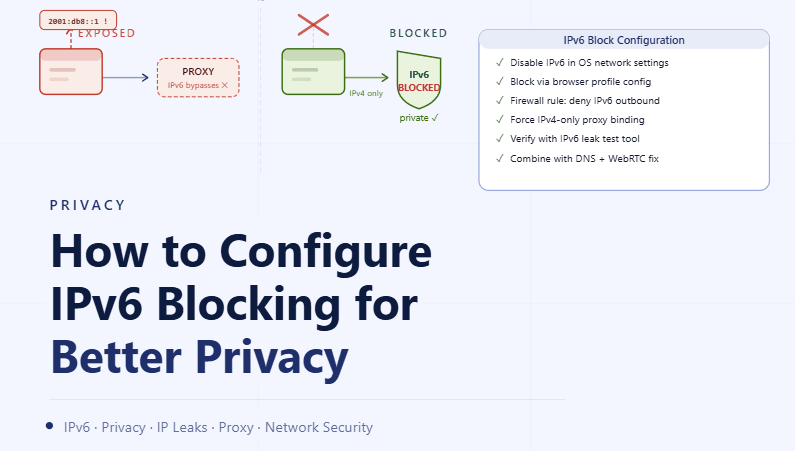
By the end of this tutorial, you will understand how IPv6 can unintentionally expose network paths and how to control or disable it so your setup remains aligned with your proxy configuration. Many systems route traffic through IPv4 proxies while leaving IPv6 enabled, which can create mismatched behavior and unintended exposure. To follow along, you only need a basic understanding of how network connections work. The focus here is on building a clean and reliable configuration rather than writing code. This setup typically takes less than an hour to review and apply, but it significantly improves consistency. If you manage multiple workflows, Appilot can help orchestrate execution while your configuration ensures that all network signals remain aligned. You will build a system that blocks or controls IPv6, maintains consistent routing, and avoids hidden leaks.
Why IPv6 Can Cause Privacy Issues
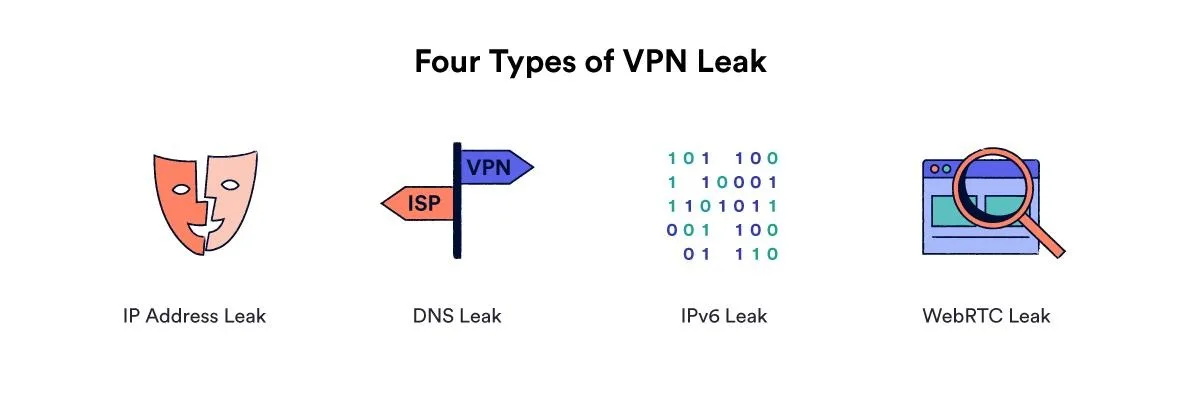
IPv6 operates alongside IPv4 in many modern systems, but not all proxy setups support it properly. When IPv6 remains active while proxies handle only IPv4 traffic, some requests may bypass the proxy entirely. This creates inconsistencies where part of your traffic follows the intended route while another part does not.
Understanding Dual-Stack Network Behavior
Most devices today use a dual-stack system, meaning both IPv4 and IPv6 are available. Applications may choose either protocol depending on availability and preference. If IPv6 is not controlled, it can become an unintended path that bypasses your configured routing.
Blocking or Disabling IPv6 at the System Level
One of the most direct ways to prevent leaks is to disable IPv6 at the system level. This ensures that all traffic is forced through IPv4, which aligns with most proxy configurations. Removing the unused path simplifies routing and improves consistency.
Controlling IPv6 Within Network Settings
In some cases, instead of fully disabling IPv6, you may choose to limit or control its behavior through network settings. This allows for more flexibility while still preventing unintended routing. Proper configuration ensures that IPv6 does not interfere with your setup.
Aligning Proxy Configuration with Network Protocols
Your proxy setup should match the protocols your system uses. If your proxies support only IPv4, then IPv6 should be restricted to avoid mismatches. Keeping both sides aligned ensures that all traffic follows the same path.
Avoiding Mixed Routing Paths
Mixed routing occurs when some requests use IPv4 through the proxy while others use IPv6 directly. This inconsistency can lead to unpredictable behavior. Ensuring a single consistent routing path prevents these issues.
Testing for IPv6 Leaks
After configuration, it is important to verify that IPv6 traffic is not bypassing your proxy. Testing helps confirm that all requests follow the intended route. Regular checks ensure that the setup remains effective over time.
Monitoring Network Behavior After Changes
Network configurations can change due to updates or system modifications. Monitoring ensures that IPv6 does not become re-enabled unexpectedly. Staying aware of changes helps maintain long-term stability.
Integrating IPv6 Control into Profile Setup
Each profile or environment should include consistent network settings. Ensuring that IPv6 behavior is controlled across all profiles prevents inconsistencies. Integrating this into your setup reduces the chance of configuration errors.
Scaling Network Consistency with Appilot
At this stage, your IPv6 configuration works locally and ensures consistent routing. As the number of profiles and workflows increases, maintaining these settings manually becomes more complex. This is where Appilot becomes useful because it helps orchestrate workflows while your configuration ensures that all network behavior remains aligned.
FAQ
Q1: What is IPv6?
It is a newer internet protocol designed to replace IPv4.
Q2: Why does IPv6 cause leaks?
Because it may bypass proxies that only handle IPv4 traffic.
Q3: Should I disable IPv6 completely?
In many cases, yes, if your proxies do not support it.
Q4: How do I test for IPv6 leaks?
By checking whether traffic is routed outside your proxy setup.
Q5: Do I need Appilot for this setup?
No, you can configure it locally. Appilot becomes useful when scaling workflows.
Conclusion
Configuring IPv6 blocking is an important step in maintaining consistent and reliable proxy behavior. By ensuring that all traffic follows the same protocol and route, you can avoid mismatches and unintended exposure. Start by reviewing your network setup, align protocols with your proxy configuration, and test regularly. Once this system is in place, your network behavior becomes more predictable and stable.