How to Encrypt Browser Traffic for Sensitive Operations
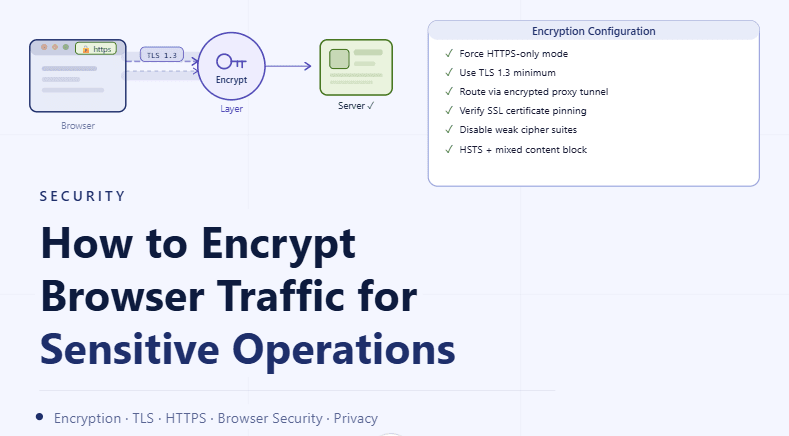
By the end of this tutorial, you will understand how to ensure that all browser traffic is encrypted so that sensitive operations are protected from exposure or interference. Encryption is a core part of any reliable setup, especially when workflows involve important data or controlled environments. To follow along, you only need a basic understanding of how browsers communicate with external services. The focus here is on building a secure configuration rather than writing code. This setup typically takes less than an hour to review and apply, but it greatly improves privacy and consistency. If you manage multiple workflows, Appilot can help orchestrate execution while your configuration ensures that all traffic remains protected. You will build a system that enforces encryption, maintains secure connections, and avoids common misconfigurations.
Why Encryption Is Essential for Browser Traffic
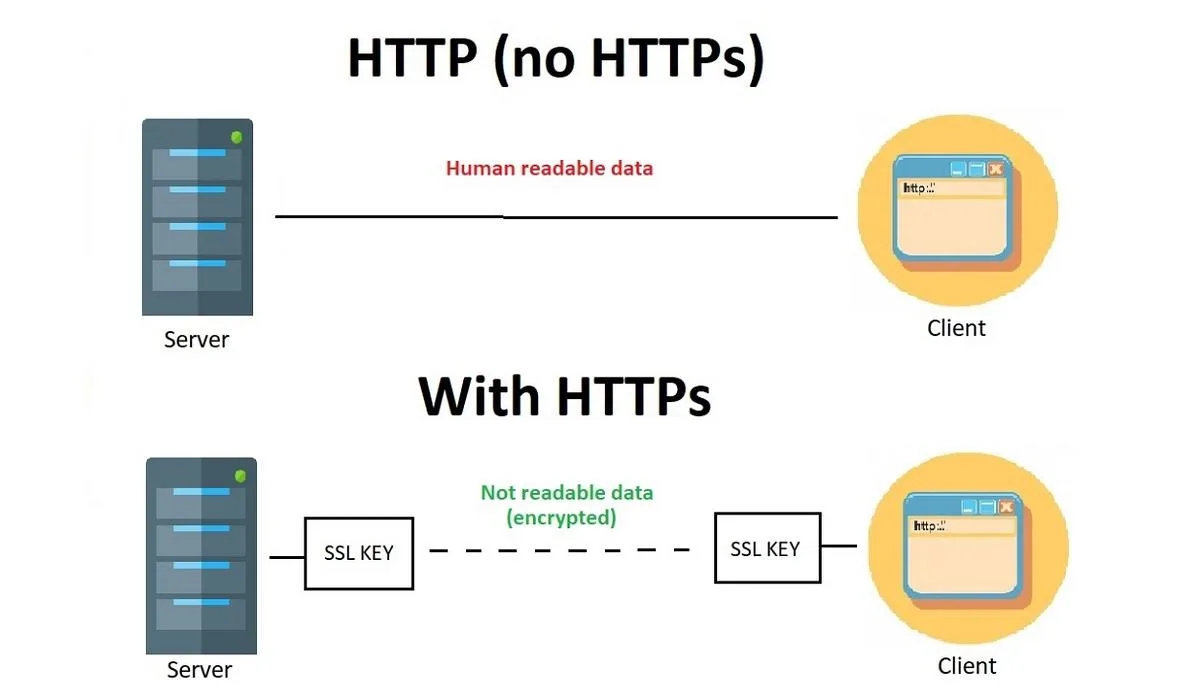
When traffic is not encrypted, it can be exposed or altered as it moves across networks, leading to inconsistencies and potential data risks. Encryption ensures that information remains protected and that communication between the browser and external services is secure. This creates a stable and predictable environment for sensitive operations.
Understanding HTTPS and Secure Protocols
Most modern encryption in browsers is handled through secure protocols that protect data during transmission. These protocols ensure that requests and responses cannot be easily read or modified. Using secure connections consistently is a fundamental part of maintaining a reliable setup.
Ensuring All Connections Use Secure Channels
A properly configured system should enforce secure connections for all browser activity. This means avoiding unsecured endpoints and ensuring that all traffic is routed through encrypted channels. Consistency in using secure connections prevents gaps in protection.
Avoiding Mixed Content Issues
Mixed content occurs when a secure page loads resources over an unsecured connection, creating inconsistencies. This can weaken the overall security of the connection and introduce instability. Ensuring that all resources follow the same secure protocol maintains integrity.
Aligning Encryption with Proxy and Network Setup
Encryption should work alongside your proxy and network configuration rather than conflicting with it. Ensuring that encrypted traffic flows correctly through your routing setup maintains both security and consistency. Proper alignment prevents unexpected behavior.
Verifying Certificate Validity
Secure connections rely on valid certificates to establish trust between the browser and the destination. Verifying that certificates are valid and properly configured ensures that connections are genuine and not compromised.
Testing Secure Connections
After configuring encryption, it is important to test that connections are properly secured. Testing helps confirm that all traffic is using encrypted channels and that there are no weak points in the setup. Regular checks ensure long-term reliability.
Monitoring Traffic for Consistency
Even after setup, monitoring helps ensure that all traffic remains encrypted over time. Changes in configuration or environment can introduce inconsistencies, so continuous observation is important for maintaining security.
Integrating Encryption into Workflow Systems
Encryption should be a standard part of your workflow configuration rather than an optional feature. Ensuring that all profiles and applications use secure connections creates a consistent and reliable environment.
Scaling Secure Traffic Management with Appilot
At this stage, your encryption setup works locally and ensures protected connections. As the number of profiles and workflows increases, maintaining consistent security manually becomes more complex. This is where Appilot becomes useful because it helps orchestrate workflows while your configuration ensures that all traffic remains secure and aligned.
FAQ
Q1: What does encrypting browser traffic mean?
It means protecting data as it travels between the browser and external services.
Q2: Why is HTTPS important?
Because it ensures that communication is secure and cannot be easily intercepted.
Q3: What is mixed content?
It is when secure pages load unsecured resources, creating inconsistencies.
Q4: How do I verify secure connections?
By checking that connections use secure protocols and valid certificates.
Q5: Do I need Appilot for encryption setup?
No, you can configure it locally. Appilot becomes useful when scaling workflows.
Conclusion
Encrypting browser traffic is essential for maintaining secure and reliable operations. By ensuring that all connections use secure protocols, avoiding mixed content, and verifying configurations, you can create a stable environment for sensitive workflows. Start by enforcing secure connections, test your setup, and monitor it over time. Once this system is in place, your browser traffic becomes more consistent and protected.