How to Fix Automated Messages That Sound Like Spam
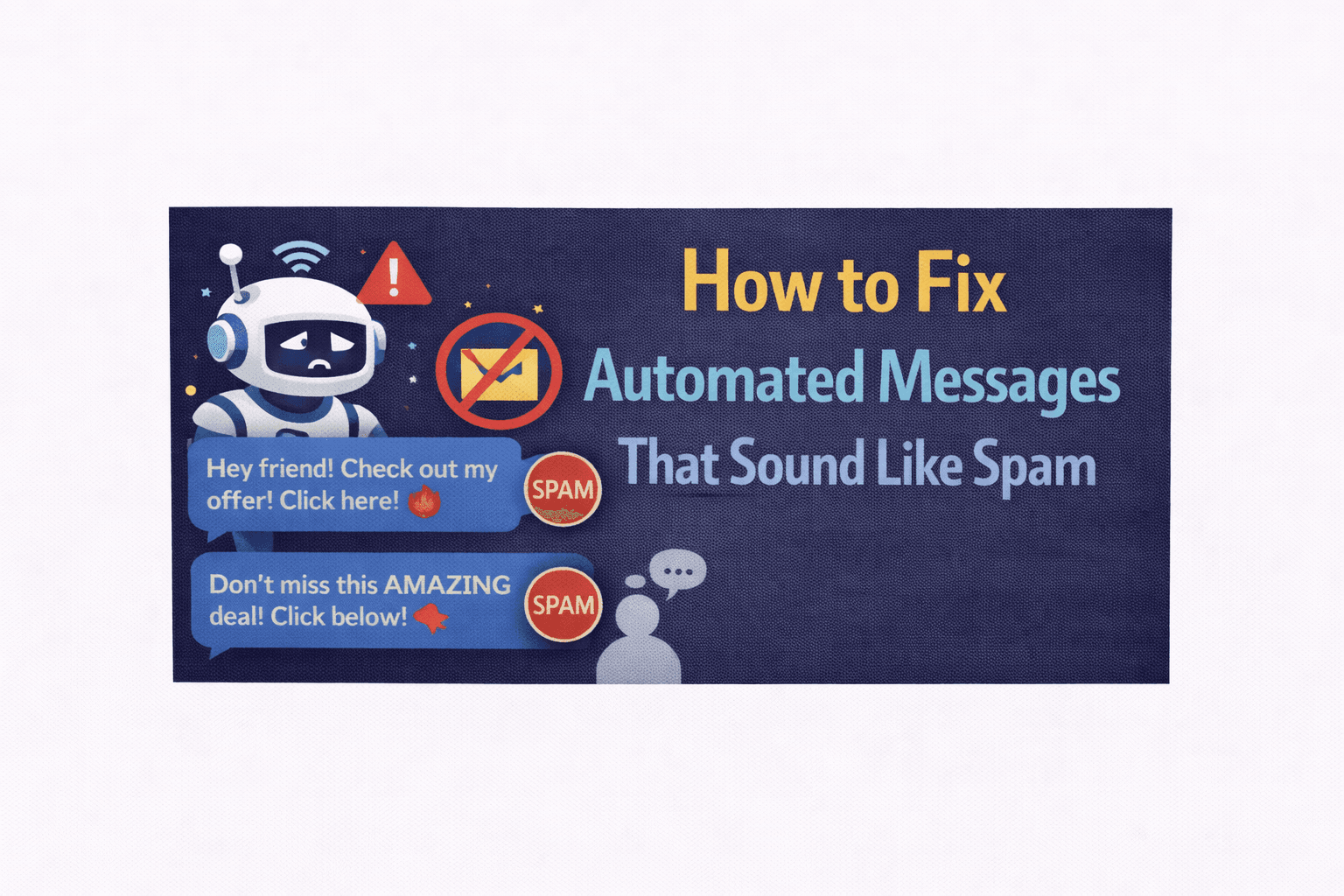
The Message Gets Delivered But Nobody Responds
At first, automated messaging feels like the easiest way to scale.
You can send more DMs, more emails, more follow-ups, and more outreach without manually typing the same thing all day.
Then eventually the replies start disappearing.
The messages are being sent. The accounts are active. The workflow is running.
But the response rate keeps falling.
That is usually when people realize the messages do not sound natural anymore.
They sound like sales scripts.
They sound too polished, too repetitive, and too generic.
That is one of the biggest problems with automated messaging because volume alone does not create replies.
If the message feels like spam, people ignore it immediately.
Why Automated Messages Usually Feel Spammy
Most automated messages sound like spam because they follow the same predictable structure.
The message starts with a generic compliment.
Then it quickly jumps into a pitch.
Then it ends with a call to action.
People have seen that exact format thousands of times before.
Messages like “I love your profile,” “I think we can help you grow,” or “I wanted to reach out because we help businesses like yours” immediately feel automated because they are too broad.
They do not feel connected to the person receiving them.
That is why manual messages often perform much better.
A manual message usually references something specific.
It may mention the lead’s business model, their content, their audience, a recent post, or a problem they are dealing with.
That immediately makes the message feel more relevant.
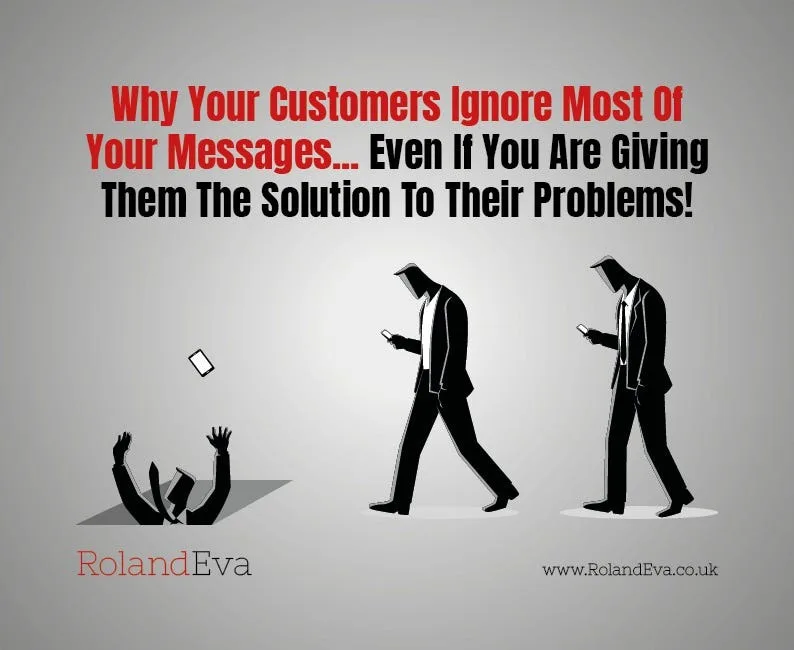
The Biggest Mistake: Trying To Sell Too Early
One of the biggest reasons automated messages fail is because they try to sell too quickly.
The message arrives and immediately starts talking about services, results, pricing, or features.
That creates resistance because the person receiving the message does not know you yet.
Most people do not want to buy from the very first message.
They want to feel understood first.
That means the first goal of the message should not be closing the deal.
The first goal should be starting a conversation.
The easiest way to do that is by focusing on a problem instead of a pitch.
For example, instead of saying “We help businesses automate outreach,” you could say “I noticed you are still manually switching between multiple accounts every day.”
That feels much more specific and much easier to reply to.
Why Generic Personalization Does Not Work
A lot of people think adding the lead’s first name is enough personalization.
It is not.
Everyone has seen messages like:
“Hey John, I saw your profile and wanted to connect.”
“Hey Sarah, I love what you are doing.”
“Hey Mike, I think we could help you grow.”
Those messages still feel automated because the personalization is weak.
Real personalization feels more specific.
It may reference the lead’s platform, business type, recent content, audience, workflow, or pain point.
For example:
“I saw you are running multiple Shopify stores and still updating inventory manually.”
“It looks like you are managing multiple client accounts and still logging into each one separately.”
“I noticed your recent post about account bans causing problems for your campaigns.”
Those messages feel much more natural because they sound like they were written for one specific person.
Why Shorter Messages Usually Perform Better
One of the biggest mistakes in outreach automation is making the message too long.
People often try to explain everything in the first message.
They talk about their company, their services, their experience, their features, and their results.
That usually makes the message feel heavy and difficult to read.
Shorter messages usually perform better because they feel easier to respond to.
A short message feels more conversational.
It feels like the start of a discussion instead of a full sales pitch.
That is especially important for DMs and cold outreach.
The easier the message is to read, the more likely people are to reply.
The System That Makes Automated Messages Feel More Human
The easiest way to improve automated messaging is to break the message into separate parts.
For example, you may have one line that references the lead, one line that mentions a problem, one line that suggests a possible improvement, and one short question at the end.
That structure makes it easier to mix different message styles together instead of sending the exact same script every time.
You should also build multiple message variations for different industries and account types.
An e-commerce store should not receive the same message as an agency.
A crypto project should not receive the same message as a local business.
A creator should not receive the same message as a SaaS company.
The more relevant the message feels, the less likely it is to feel like spam.
Why Centralization Makes This Easier
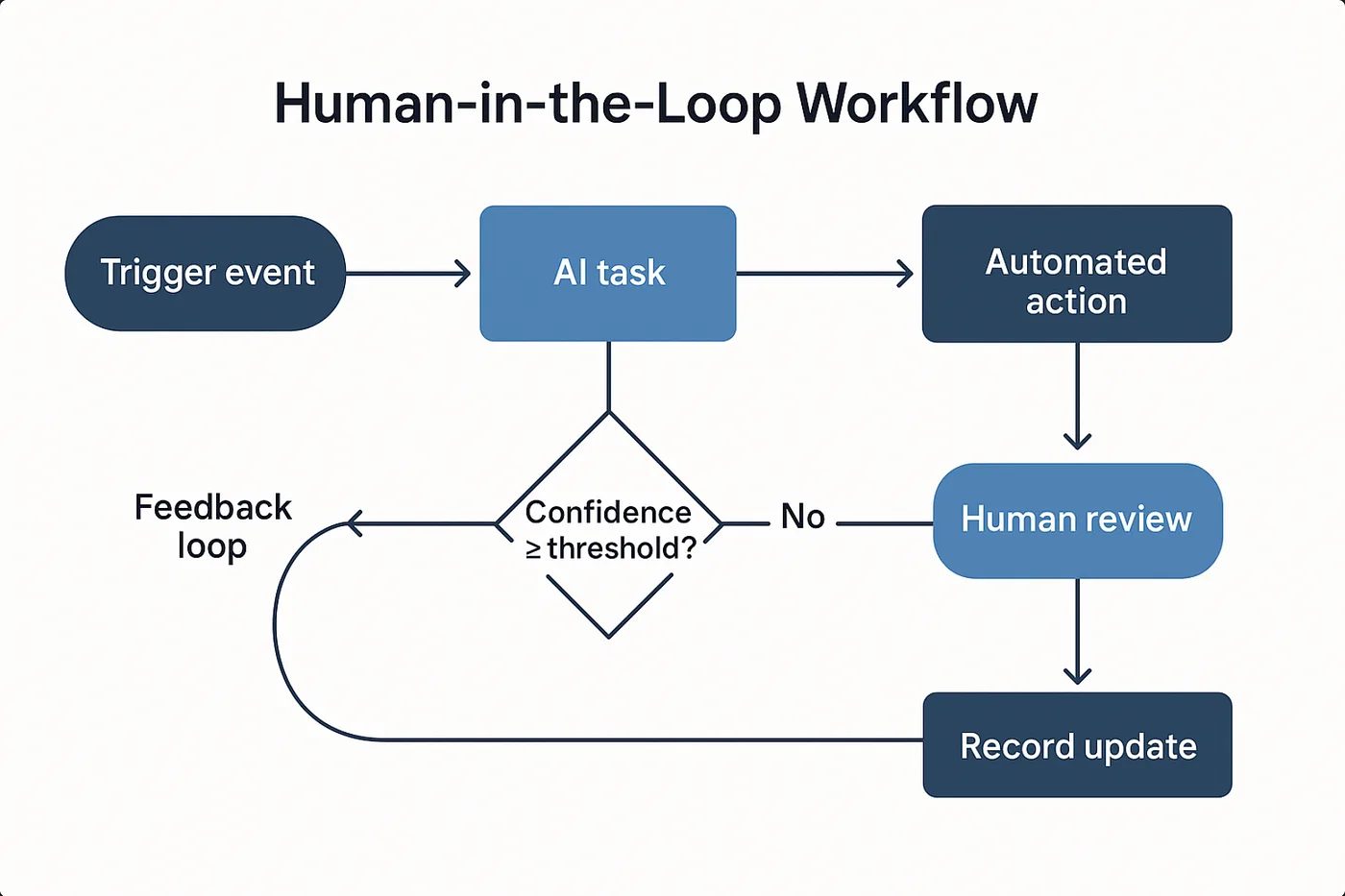
Message quality becomes much harder to manage when browser profiles, lead lists, outreach schedules, message templates, follow-up notes, and account history are spread across different tools.
You may have one spreadsheet for leads, another tool for DMs, another platform for browser automation, and another place for tracking replies.
That makes it difficult to see which message styles are working and which ones are hurting response rates.
This is one of the reasons Appilot becomes useful when outreach starts scaling.
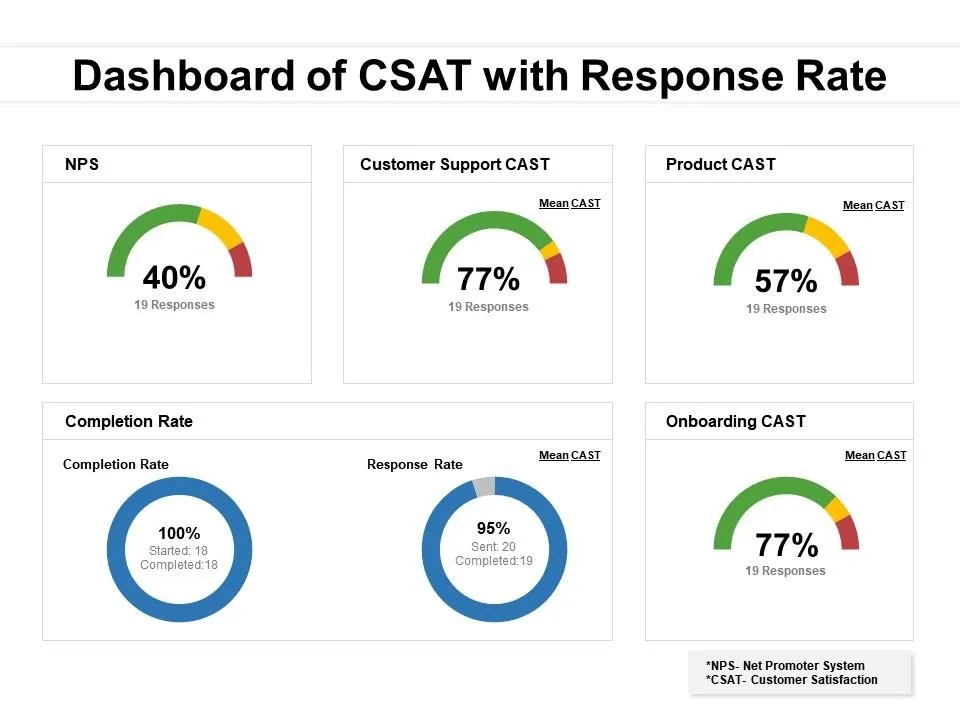
Instead of keeping browser profiles, Android workflows, outreach schedules, message templates, follow-up timing, and lead notes spread across multiple systems, everything can stay visible from one dashboard. That makes it easier to test different message variations, compare response rates, identify weak scripts, and make automated outreach feel much more natural.
Conclusion: Automated Messages Only Work When They Still Feel Personal
If your automated messages sound like spam, the issue is usually not the automation itself.
The problem is that the messages became too generic, too repetitive, and too focused on selling too early.
Once you shorten the message, personalize the important parts, and make the conversation feel more natural, response rates become much easier to improve.
That is what allows you to scale outreach without making every message feel robotic or easy to ignore.