How to Fix Engagement Dropping After You Automated
Automation Saved Time But Killed Your Engagement
At first, automation feels like the perfect solution.
You schedule content in advance, keep accounts active, post more consistently, and remove a lot of the daily manual work that used to slow everything down.
Then something starts going wrong.
Engagement begins to drop.
Likes go down. Comments become weaker. Reach starts falling. Posts that used to perform well suddenly feel invisible.
That is one of the most frustrating parts of automation because the system is technically working, but the results are getting worse instead of better.
The issue is usually not that automation itself is bad.
The problem is that the content often becomes too repetitive, too predictable, and too disconnected from what people actually want to see.
Why Engagement Often Drops After Automation
Most automated content systems slowly become repetitive without people noticing.
The same hooks appear over and over again. The same sentence structure gets reused. The same tone keeps showing up in every post. Eventually, everything starts sounding like it came from a machine instead of a person.
That is when engagement starts dropping.
People may not consciously notice the repetition, but they can feel it.
If every post sounds the same, looks the same, and follows the same pattern, the audience stops paying attention.
Another major issue is that many people automate too much of the content process.
Instead of automating scheduling, they automate the entire voice of the account.
The content loses personality, loses specificity, and loses the small details that make it feel real.
That is especially dangerous when managing dozens of accounts because once automation becomes too rigid, all the accounts start sounding identical.

The Biggest Mistake: Prioritizing Volume Over Relevance
One of the biggest reasons engagement drops is because people focus too much on posting more often.
They assume that if they increase the number of posts, results will improve automatically.
That is not always true.
You can publish more content and still get weaker engagement if the content is too generic.
A lot of automated systems become obsessed with consistency while ignoring quality.
They keep posting because the calendar says to post, not because there is something genuinely useful, interesting, or relevant to say.
That creates content that feels forced.
The audience can tell when a post exists only because the schedule demanded it.
Consistency matters, but relevance matters more.
A smaller number of stronger posts will usually perform better than a large number of weak ones.
Why Automated Content Starts Feeling Less Human
Human content has variation.
Some posts are short. Some are longer. Some are direct. Some are more emotional. Some sound serious while others sound casual.
Most automated systems remove that variation.
They repeat the same type of opening line, the same paragraph structure, the same tone, and the same style of ending.
That is why many automated posts feel robotic.
They are too polished, too predictable, and too similar to each other.
The easiest way to fix this is by adding more variation back into the system.
Use different content formats. Rotate between tutorials, opinions, mistakes, myths, comparisons, quick tips, stories, and observations.
Change the way posts begin.
Sometimes start with a frustration. Sometimes start with a question. Sometimes start with a bold statement, a statistic, or a specific example.
The more variety you add, the more natural the content feels.

The System That Brings Engagement Back
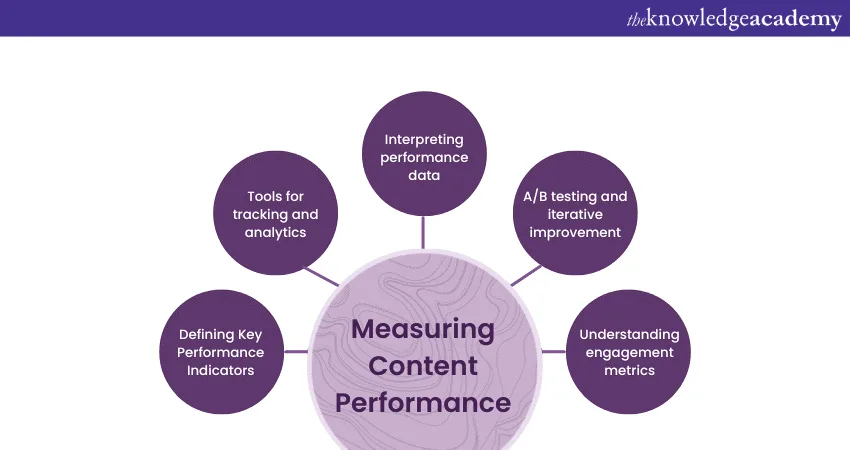
The easiest way to improve engagement after automation is to review which posts still perform well and identify what they have in common.
Usually, the best-performing posts are more specific, more opinionated, more emotional, or more useful than the weaker ones.
You may notice that stories outperform generic tips. You may notice that strong opinions outperform neutral explanations. You may notice that short direct posts outperform longer generic ones.
That is the information you should use to improve the system.
You should also stop automating the parts of content that need personality.
Automate scheduling, publishing, browser tasks, and workflow management.
Do not automate every sentence until the content becomes lifeless.
The best systems automate the process while still leaving room for human variation.
Why Centralization Makes This Easier
It is much harder to understand why engagement is falling when content schedules, posting history, account notes, browser profiles, and performance metrics are spread across different tools.
You may have one platform for scheduling, another for analytics, another for browser workflows, and another for content drafts.
That makes it difficult to see which content styles are working and which ones are failing.
This is one of the reasons Appilot becomes useful when content operations start scaling.
Instead of keeping browser profiles, Android workflows, content schedules, posting history, and account assignments spread across multiple systems, everything can stay visible from one dashboard. That makes it easier to compare content performance, identify repetitive patterns, and see which accounts need a different tone or posting style.
Conclusion: Automation Should Make Content Easier, Not Less Interesting
If engagement dropped after you automated, the issue is usually not the automation itself.
The problem is that the content became too repetitive, too predictable, and too disconnected from the audience.
Once you bring back more variation, more personality, and more relevance, engagement becomes much easier to recover.
That is what allows you to save time with automation without making your accounts feel robotic.