How to Fix Engagement Rate Drop from 8% to 2%
The Numbers Look Worse Even Though You Are Posting More
At first, things looked strong.
The posts were getting likes, comments, shares, clicks, replies, and consistent reach. The account felt active, the audience felt interested, and the engagement rate stayed high.
Then something changed.
You are still posting. The content is still going out. The account is still active.
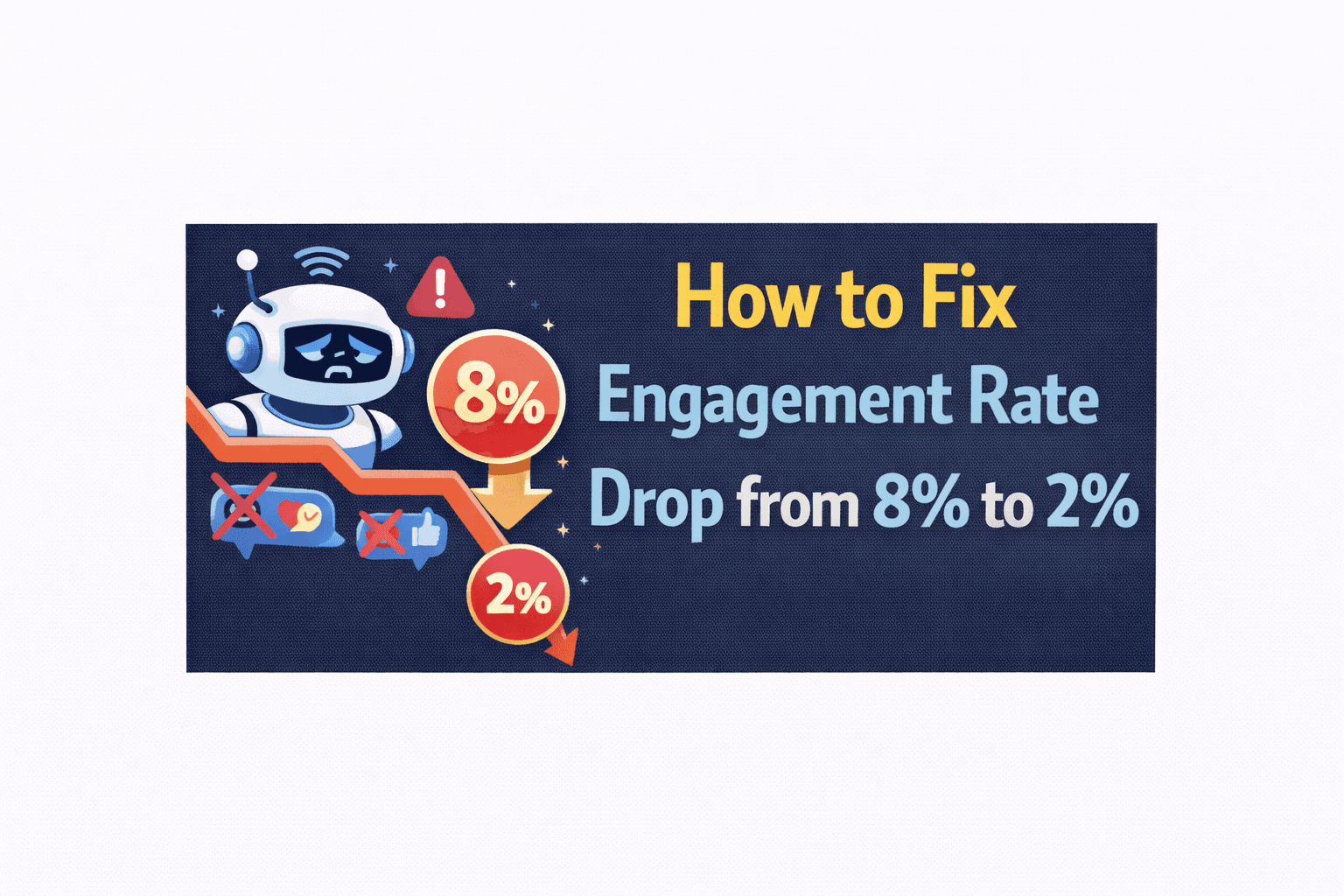
But the engagement rate dropped from 8% to 2%.
That is one of the most frustrating problems in content operations because it feels like you are doing more work but getting worse results.
The issue is usually not that the audience disappeared.
The problem is that the content often becomes too repetitive, too predictable, or too disconnected from what people actually care about.
Why Engagement Rates Usually Collapse
Most engagement problems happen because the content starts feeling the same.
The same type of hooks keep appearing. The same content formats get reused. The same image styles repeat. The same tone keeps showing up.
Eventually, the audience stops paying attention.
Even if the content is technically correct, people lose interest when they feel like they have already seen the same thing too many times before.
Another major issue is over-scheduling.
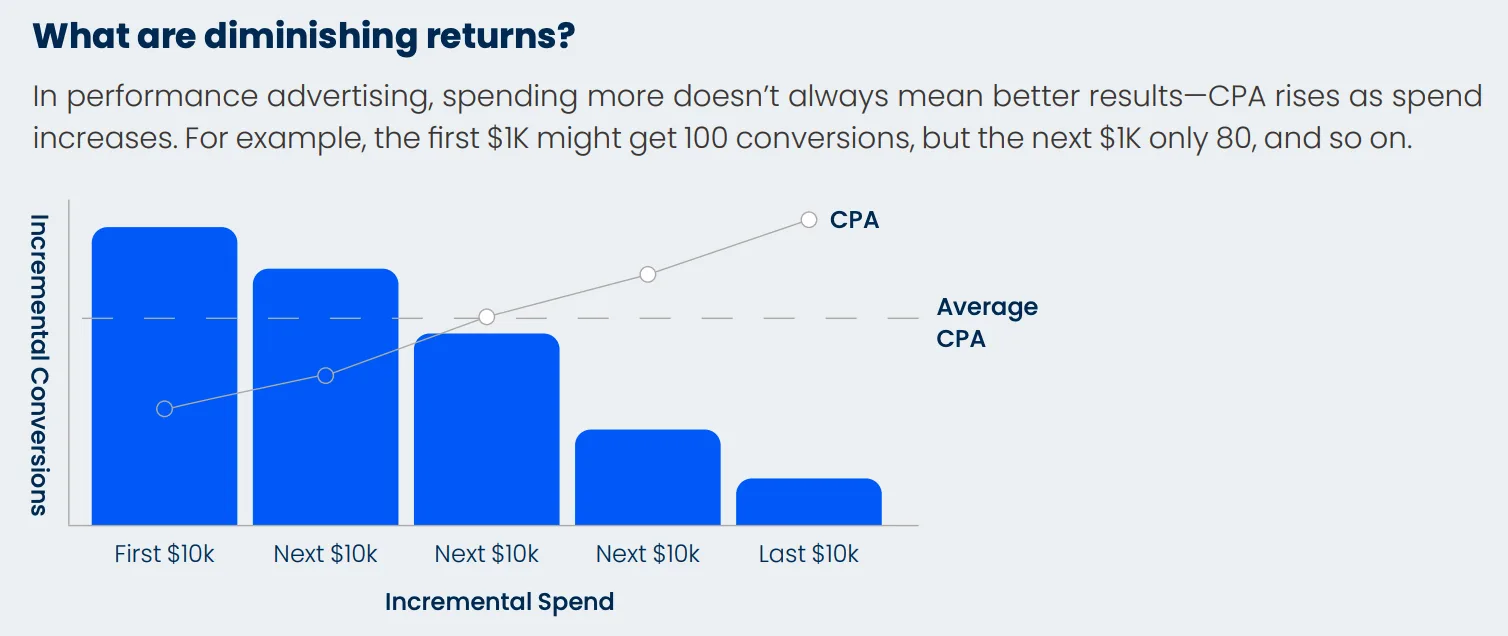
A lot of accounts start posting more frequently after automation, but the extra content is often weaker.
The calendar gets filled with content simply because there is space to fill.
That creates more volume but less value.
The audience may still see the posts, but they stop interacting because the content no longer feels interesting enough to deserve attention.
The Biggest Mistake: Chasing Consistency Instead Of Quality
One of the biggest reasons engagement rates collapse is because people become too focused on posting consistently.
Consistency matters, but it should not come at the expense of quality.
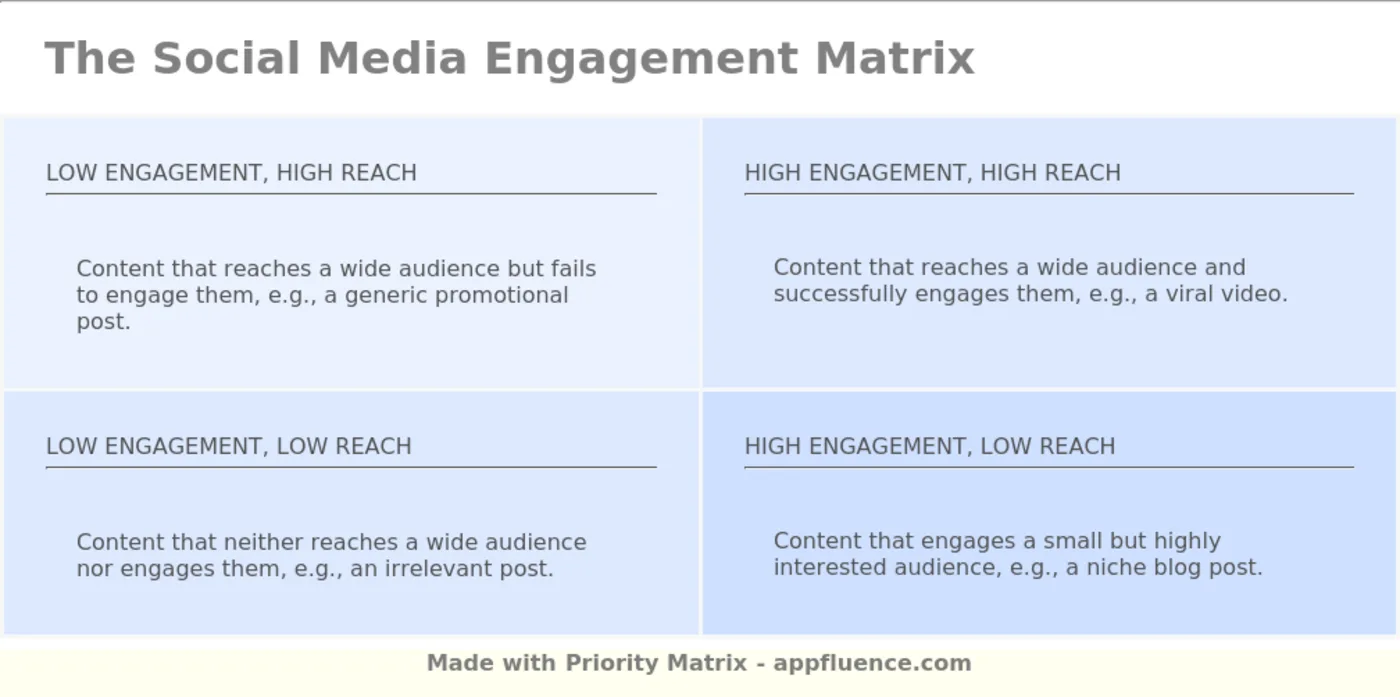
You can post every day and still get weak engagement if the content feels generic.
Many automated systems become obsessed with filling the schedule.
They keep publishing because the calendar says to publish, not because there is something genuinely interesting, useful, or relevant to say.
That creates content that feels forced.
The audience can usually tell when a post exists only because the system needed another piece of content.
A smaller number of stronger posts will usually outperform a larger number of weak ones.
Why Content Stops Feeling Worth Engaging With
People engage when content gives them a reason to react.
That may be because the content is useful, surprising, emotional, funny, controversial, relatable, or highly specific.
When content becomes too neutral, too repetitive, or too safe, people stop reacting.
That is why engagement often drops after automation.
The content becomes less opinionated, less emotional, less specific, and less connected to what is happening right now.
The easiest way to fix this is by bringing more variation back into the system.
Use different content formats. Rotate between stories, opinions, comparisons, myths, quick tips, mistakes, case studies, reactions, and trend-based posts.
Change the way posts begin.
Sometimes start with a frustration. Sometimes start with a bold opinion. Sometimes start with a short story, a specific example, or a surprising observation.
That variety is what keeps the audience interested.
The System That Brings Engagement Back
The easiest way to recover engagement is to study the posts that still perform well.
Usually, the strongest posts are more specific, more emotional, more opinionated, or more useful than the weaker ones.
You may notice that short direct posts perform better than longer generic posts. You may notice that stories outperform explanations. You may notice that controversial opinions create more replies than safe educational content.
Those patterns should shape the next version of the system.
You should also leave room for more reactive content.
Not everything should be scheduled weeks in advance.
There should always be space for trends, platform updates, audience frustrations, news, and real-time observations.
That is what keeps the account feeling alive.
Why Centralization Makes This Easier
It becomes much harder to understand why engagement dropped when content schedules, browser profiles, Android workflows, posting history, analytics, and account notes are spread across different systems.
You may have one tool for scheduling, another for analytics, another for browser automation, and another for content drafts.
That makes it difficult to compare what is working and what is failing.
This is one of the reasons Appilot becomes useful when content operations start scaling.
Instead of keeping browser profiles, Android workflows, schedules, posting history, account notes, and analytics spread across multiple systems, everything can stay visible from one dashboard. That makes it easier to compare performance, identify weak content patterns, and see which accounts need more variation or more reactive content.
Conclusion: Engagement Drops When Content Stops Feeling Interesting
If your engagement rate dropped from 8% to 2%, the issue is usually not that the audience disappeared.
The problem is that the content became too repetitive, too predictable, and too disconnected from what people actually want to react to.
Once you bring back more variation, stronger opinions, more specific examples, and more reactive content, engagement becomes much easier to recover.
That is what allows you to keep scaling content without making the account feel generic, repetitive, or easy to ignore.