How to Fix High Facebook Ad Frequency (Above 3.0)
The Same People Keep Seeing The Same Ad Again And Again
One of the most common reasons Facebook campaigns start performing worse over time is because the same audience keeps seeing the same creative repeatedly. At first, the ad performs well. Click-through rates look healthy, engagement is strong, and conversions come in at a reasonable cost. Then gradually the results begin slipping. Costs rise, click-through rates drop, engagement falls, and the campaign becomes less effective even though nothing major changed.
A lot of the time, high ad frequency is the reason.
Frequency measures how many times the average person has seen your ad. Once frequency rises too high, especially above 3.0, people begin ignoring the ad because they have already seen it too many times. The creative becomes familiar, repetitive, and easier to scroll past.
The issue is usually not that the campaign suddenly became bad. The problem is that the audience is getting tired of seeing the same message.
Why Facebook Ad Frequency Gets Too High
Most frequency problems happen because the audience is too small for the amount of budget being spent.
If you spend heavily on a narrow audience, Facebook eventually runs out of new people to show the ad to. At that point, the platform starts showing the same creative to the same users repeatedly.
This becomes even more common in retargeting campaigns because those audiences are naturally smaller. If you only target recent website visitors, video viewers, or people who added to cart, the audience may not be large enough to support aggressive daily spend.
Another common cause is keeping the same creative active for too long. Even if the audience is large enough, people eventually get tired of seeing the same image, video, or copy over and over again.
The Biggest Mistake: Increasing Budget Without Expanding Audience
One of the biggest reasons frequency spikes is because advertisers increase budget aggressively without expanding the audience size.
For example, if a campaign is already reaching most of a small audience and then the budget doubles, Facebook often has no choice but to show the same ad to the same people more often.
That usually hurts performance.
The stronger approach is matching budget increases with audience expansion.
If you want to spend more, you often need broader targeting, more placements, larger lookalikes, additional countries, wider age ranges, or new interest groups. Otherwise, the extra budget simply creates more repetition.
Why Creative Fatigue Hurts Performance So Quickly
Even good ads stop working if people see them too often.
A creative that performed extremely well during the first week may perform much worse by the third or fourth week because the audience already knows what it says.
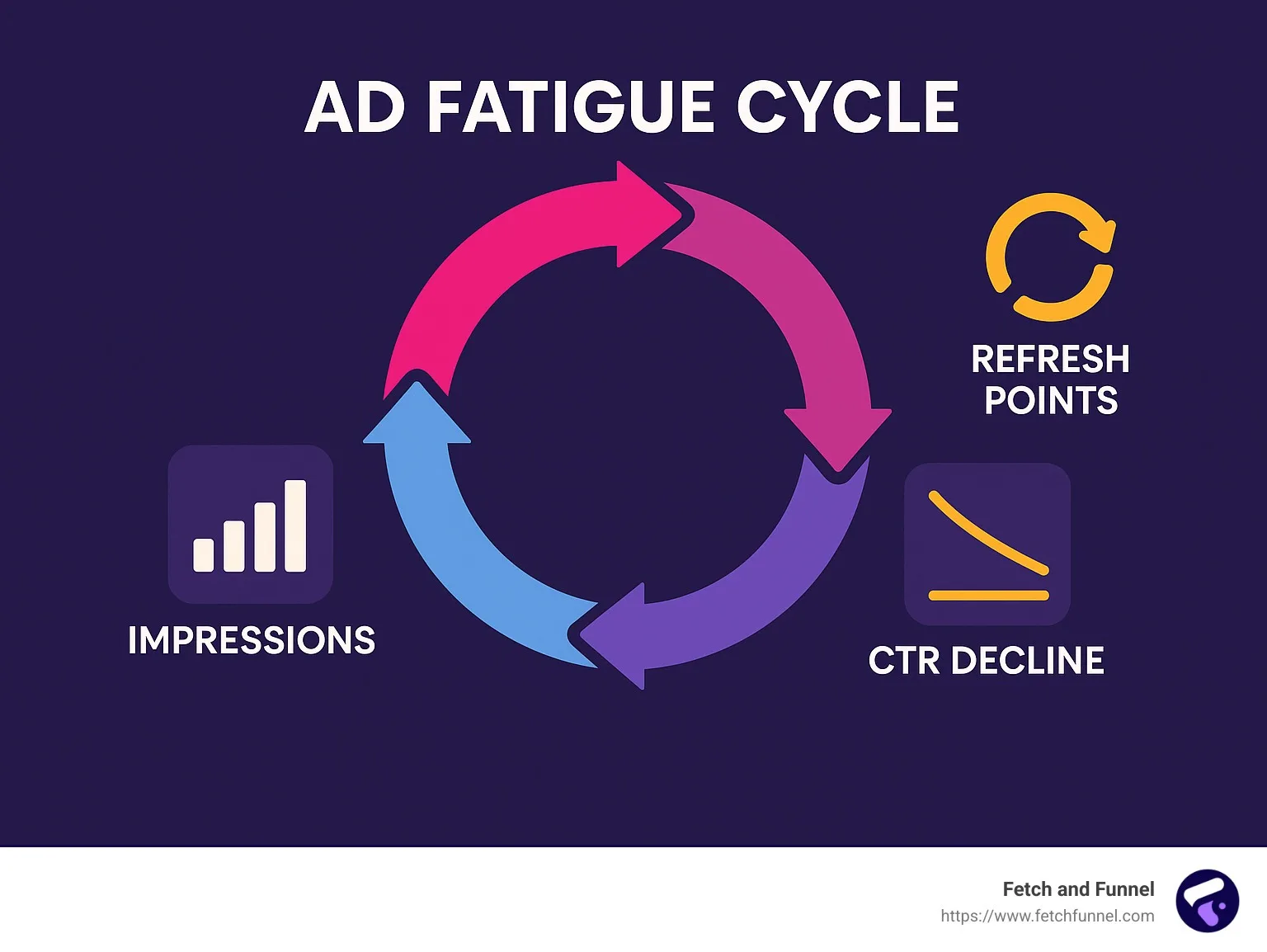
This is called creative fatigue.
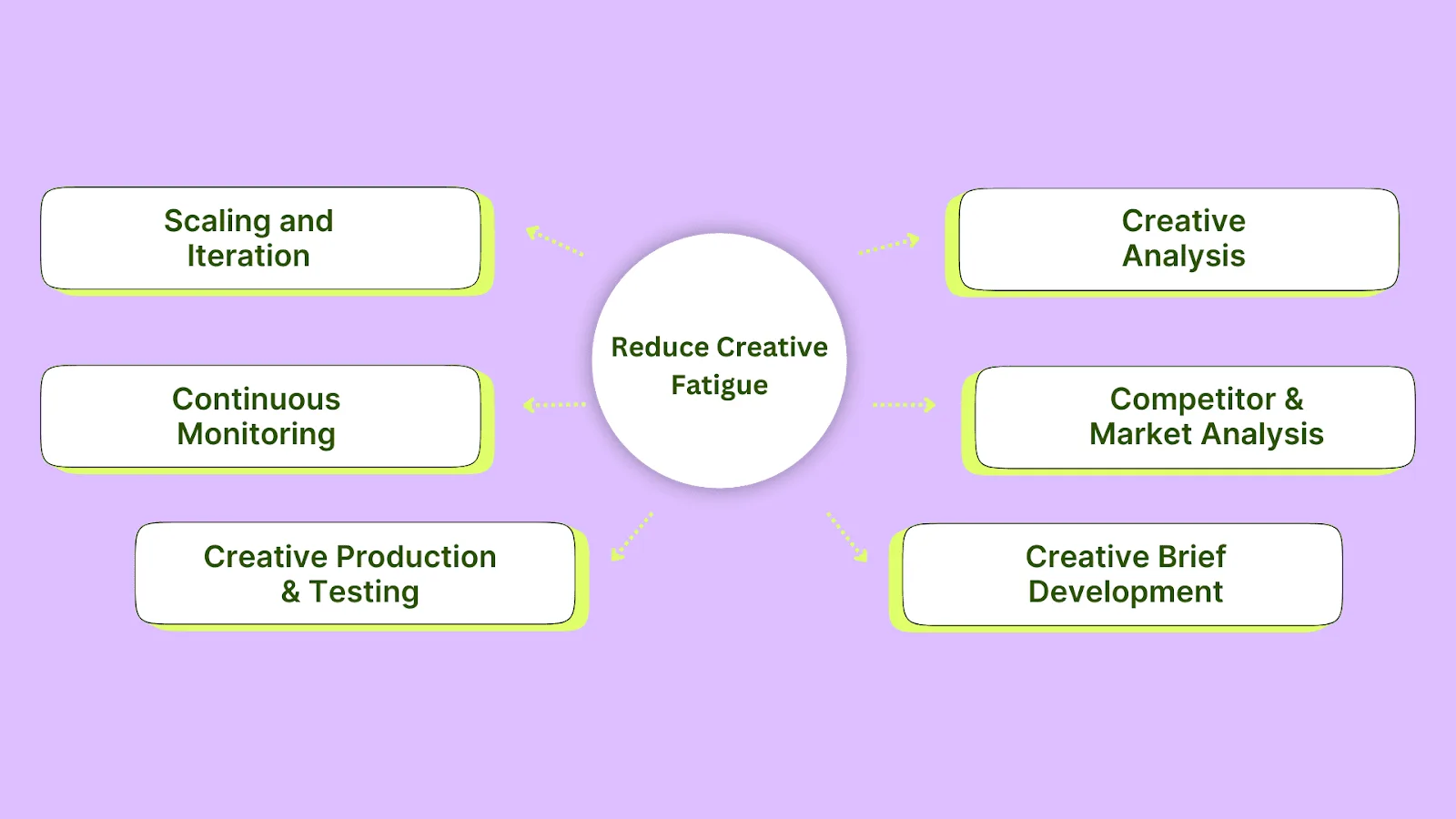
The easiest way to reduce creative fatigue is by rotating new creatives regularly. You do not always need completely new offers. Sometimes changing the image, headline, video hook, CTA, format, or opening line is enough to make the campaign feel fresh again.
This becomes especially important for retargeting campaigns because those audiences often see ads more frequently than cold audiences.
Why Narrow Retargeting Campaigns Often Create Frequency Problems
Retargeting campaigns are one of the biggest causes of high frequency because the audience pool is usually small.
If you only retarget people who visited the website in the last seven days or people who added to cart in the last three days, the audience may be too small to support ongoing spend.
That means the same users keep seeing the same ad repeatedly.
The stronger approach is broadening retargeting windows, adding more people into the audience, or reducing the budget to match the smaller audience size.
For example, a 30-day website visitor audience may handle more spend than a 7-day audience. Similarly, a video viewer audience may be much larger than an add-to-cart audience.
Why Better Campaign Organization Makes This Easier
Frequency problems become harder to manage when creatives, audiences, budgets, and campaign history are spread across different systems. You may have one place for ad copy, another for creatives, another for audience notes, and another for reporting. That makes it difficult to see which campaigns are getting fatigued and which audiences are seeing the same ads too often.
This is one of the reasons Appilot becomes useful when advertising operations start scaling. Instead of keeping browser workflows, Android automations, campaign assets, audience notes, creative history, budget tracking, and task history spread across different systems, everything can stay visible from one dashboard. That makes it easier to monitor frequency, rotate creatives faster, compare audience overlap, and reduce ad fatigue across multiple campaigns.
Conclusion: High Frequency Usually Means The Audience Is Too Small Or The Creative Is Too Repetitive
If your Facebook ad frequency is above 3.0, the issue is usually not that the campaign itself is completely broken. The problem is that the audience is too small, the budget is too high, or the same creative has been running for too long.
Once you broaden audiences, rotate creatives, reduce repetition, and match budget to audience size, it becomes much easier to keep campaigns performing without burning out the people seeing the ads.