How to Fix Medium Partner Program Suspension (And Get Reinstated)
You open your Medium dashboard expecting to check your stats, read time, or earnings, and suddenly something feels wrong. Your monetization is disabled, your Partner Program access is gone, and your income has effectively been paused.
You might not have received a clear explanation. Maybe there was a generic email about policy violations or unusual activity, but nothing specific enough to tell you exactly what caused it.
You start questioning everything. Was it your content? Your traffic sources? Your posting frequency? You search for answers, but most advice is either too general or completely outdated.
What makes this worse is the uncertainty. You do not know whether this is temporary, whether you can recover, or whether your entire publishing strategy is now at risk.
You are not alone in this. Medium Partner Program suspensions are becoming more common as platforms tighten rules around content quality, engagement authenticity, and monetization integrity.
The important thing to understand is that these suspensions are not random. They are triggered by patterns, and once you understand those patterns, you can recover and build a more stable publishing system going forward.
Why Medium Suspends Partner Program Accounts
Most writers assume suspensions happen because of obvious violations, but in reality, they are often triggered by signals that are not immediately visible.
Low-quality or repetitive content patterns
If your articles are perceived as low-value, overly repetitive, or generated at scale without meaningful variation, the system may flag your account.
Even if individual articles seem acceptable, patterns across multiple posts can trigger a review.
Suspicious traffic sources
Medium closely monitors how readers arrive at your content. If a large portion of your traffic comes from sources that appear artificial or low-quality, your account may be flagged.
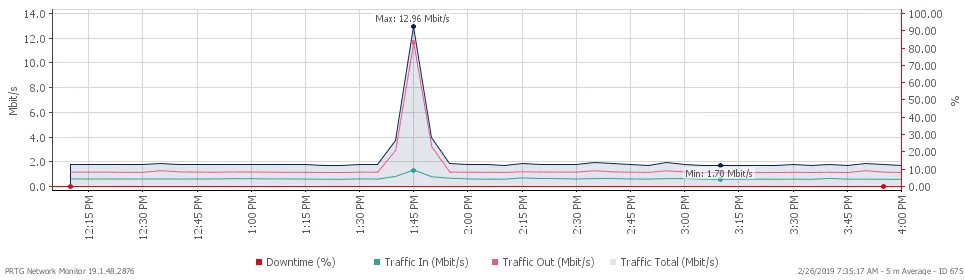
This includes sudden spikes in traffic that do not match organic growth patterns.
Engagement inconsistencies
If your reads, claps, and engagement metrics do not align naturally, it can signal manipulation. For example, high traffic with very low read time or unusual engagement ratios can raise red flags.
Content policy violations
Certain topics, formatting styles, or linking practices can trigger moderation systems. Even borderline content can lead to suspension if it appears repeatedly.
Automation or publishing patterns
If your publishing behavior appears automated, such as posting at perfectly consistent intervals or publishing large volumes of content in short periods, it may be flagged.
Even manual workflows can look automated if they lack variation.
The Hidden Cost of Ignoring the Suspension
It is tempting to wait and hope the suspension resolves itself, but this approach often leads to longer delays and missed opportunities.
While your account is suspended, your earning potential drops to zero. Your content may still be visible, but you are no longer monetizing it.
There is also a long-term impact. If the underlying issues are not addressed, even reinstated accounts are more likely to be flagged again.
Beyond the financial impact, there is a strategic cost. Without understanding what caused the suspension, you cannot build a reliable publishing system.
The Complete Recovery Process
Recovering your Medium Partner Program access requires a structured approach. Random fixes or repeated changes can delay the process.
- Step 1: Identify likely triggers
Start by reviewing your recent activity. Look at your latest articles, traffic patterns, and engagement metrics.
Ask yourself what changed before the suspension. Did you increase publishing frequency, use new traffic sources, or change your content style?
Understanding the trigger is critical to recovery.
- Step 2: Pause high-risk publishing activity
If your account was flagged due to patterns, continuing the same behavior can extend the suspension.
Reduce publishing frequency, avoid sudden spikes in activity, and focus on stabilizing your account.
- Step 3: Audit your content
Review your articles for quality, originality, and compliance with Medium guidelines.
Remove or revise content that may be repetitive, low-value, or borderline in terms of policy.
- Step 4: Clean up traffic sources
If you are using external traffic strategies, ensure they are legitimate and organic.
Avoid sources that generate artificial spikes or low-quality engagement.
- Step 5: Contact support with a clear explanation
When reaching out to Medium support, provide a concise explanation of your situation. Highlight what you have reviewed and corrected.
Avoid sending multiple messages, as this can slow down the process.
- Step 6: Allow time for review
Once your account is under review, patience is essential. Avoid making frequent changes or attempting workarounds.
Most reinstatements take time, and interfering can delay the process.
Why Suspensions Keep Happening Again
Many writers recover their accounts but face suspension again later. This happens because the underlying patterns are not corrected.
If your content strategy, traffic sources, or publishing behavior remain inconsistent, the system will continue to flag your account.
Recovery solves the immediate issue, but prevention requires a change in how you operate.
The Smarter Approach: Build a Stable Publishing System
To maintain Partner Program access, your activity needs to appear consistent and organic over time.
This means publishing at realistic intervals, maintaining content quality, and ensuring that your traffic sources align with natural growth patterns.
As your content output increases, maintaining this consistency manually becomes difficult. This is where structured workflows can help maintain stability without introducing risk.
Instead of relying on inconsistent environments or aggressive publishing strategies, you can use systems that ensure your activity remains controlled and predictable.
This is where platforms like Appilot become relevant. By running workflows on real Android environments, you can maintain consistent interaction patterns and avoid the irregular signals that often trigger suspensions.
The goal is not to automate aggressively, but to maintain a stable system that supports long-term growth.
How to Prevent Medium Partner Program Suspension
Once your account is reinstated, prevention becomes your priority.
Consistency is the most important factor. Maintain a steady publishing schedule, avoid sudden spikes in activity, and ensure that your content remains high quality.
Monitor your analytics for early warning signs, such as unusual traffic patterns or engagement inconsistencies.
Avoid reactive behavior. Rapid changes in strategy can create patterns that trigger the system again.
Common Mistakes That Make This Worse
One of the biggest mistakes is trying to recover too quickly by publishing more content. This often creates patterns that look unnatural.
Another mistake is ignoring traffic quality. High traffic alone is not enough; it must be consistent and aligned with genuine reader behavior.
There is also a tendency to rely on shortcuts or questionable growth strategies, which often lead to repeated suspensions.
Conclusion: Recovery Is Step One—Stability Is What Matters
Getting your Medium Partner Program suspended can feel like a major setback, especially when it affects your income and growth.
But the situation is not permanent. With the right approach, recovery is possible.
The key is understanding that suspensions are not random. They are triggered by patterns that you can identify and control.
Recovery restores your access. Stability ensures you keep it.
If you focus on consistent publishing, natural engagement, and reliable workflows, you can build a system that supports long-term growth without repeated interruptions.
That shift—from reacting to preventing—is what separates unstable strategies from sustainable success.