How to Fix Shopify Checkout Abandonment Rate Above 70%
Customers Add Products To Cart But Never Finish The Purchase
One of the most frustrating things for Shopify store owners is seeing plenty of people add products to the cart but very few actually complete checkout. Traffic may still be coming in, ads may still be running, and interest in the products may still be strong, but customers disappear right before paying.
That becomes a serious problem because checkout abandonment directly hurts revenue.
You may spend money bringing visitors to the store, but if too many people leave before paying, the business becomes much harder to grow profitably.
The important thing to understand is that customers usually do not abandon checkout randomly. In most cases, something during the buying process makes them hesitate, lose trust, or decide the purchase is no longer worth it.
Why Shopify Checkout Abandonment Gets So High
Most checkout abandonment problems happen because the checkout process feels too difficult, too expensive, or too confusing.
For example, unexpected shipping costs, taxes, slow page speed, forced account creation, complicated forms, limited payment methods, or poor mobile design can all make customers leave before finishing the order.
The same thing can happen if the store suddenly adds hidden fees at the last step.
A customer may feel comfortable paying $40 for a product, but if checkout suddenly becomes $58 because of shipping and taxes, many people leave immediately.
Customers want the checkout process to feel fast, simple, and predictable.
If anything creates friction, abandonment rates rise quickly.
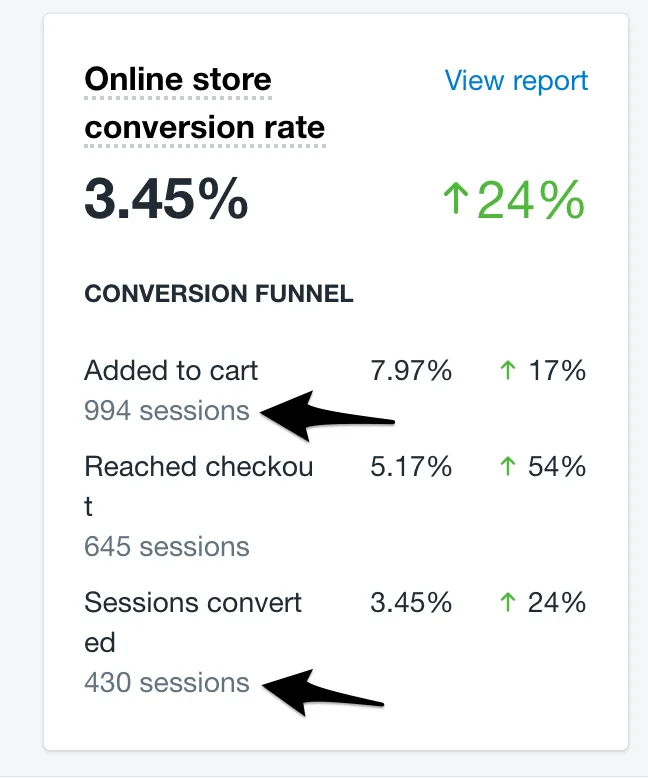
The Biggest Mistake: Assuming The Problem Is Only Price
One of the biggest mistakes store owners make is assuming customers leave only because the product is too expensive.
Price can matter, but it is often not the only reason.
For example, customers may leave because the checkout feels slow, because the site looks untrustworthy, because the payment methods are limited, or because they do not want to create an account.
The stronger approach is reviewing the entire checkout experience from the customer's perspective.
Look at the number of steps, the page speed, the payment options, the shipping cost, the trust signals, and the mobile experience.
Even small changes can make a major difference.
Why Mobile Checkout Causes So Many Problems
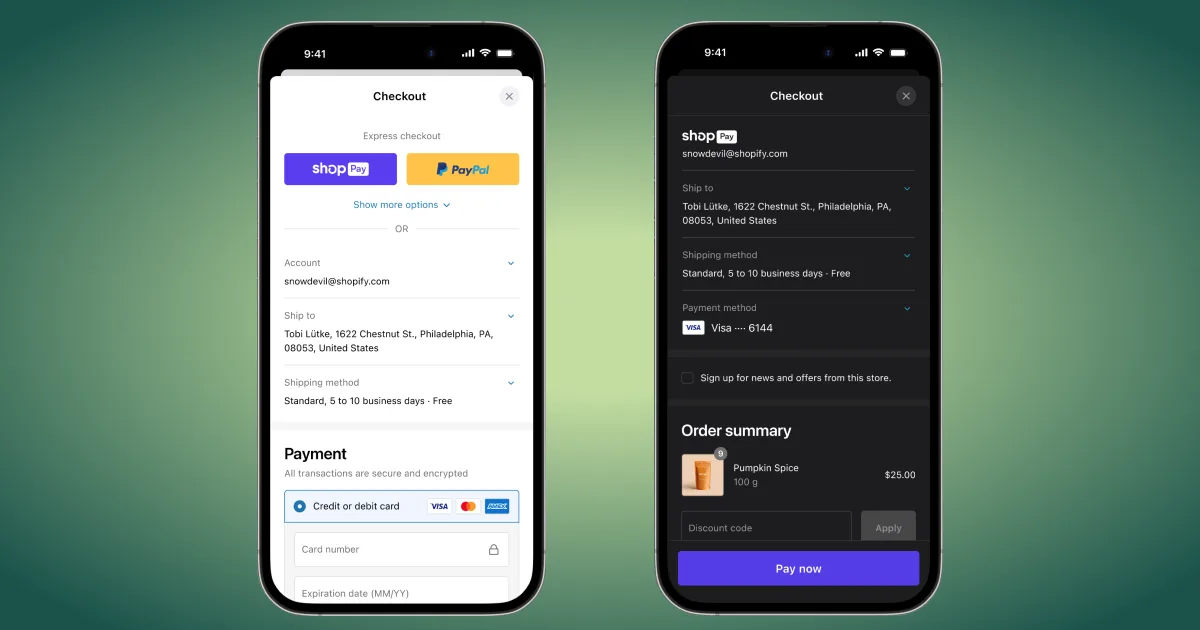
A lot of Shopify abandonment issues happen because the mobile checkout experience is weak.
Most Shopify traffic comes from mobile devices, but many stores still build checkout flows that feel designed for desktop users.
For example, forms may be too long, buttons may be hard to click, discount code boxes may break the layout, or payment methods may not work smoothly on mobile.
This becomes especially important because mobile users are less patient.
If checkout takes too long or feels confusing, they often leave very quickly.
Why Trust Problems Reduce Conversions
Customers often abandon checkout because they are not fully confident in the store.
For example, missing reviews, weak product photos, no refund policy, unclear shipping information, poor design, or no visible contact details can all make people hesitate.
Even if the products are good, customers may not feel comfortable entering payment information if the store does not look trustworthy.
The stronger approach is making the store feel more credible.
Clear shipping policies, visible reviews, trust badges, refund details, secure payment icons, and better product images can all help reduce abandonment.
Why Better Systems Reduce Checkout Problems
Checkout abandonment becomes much harder to manage when ad campaigns, analytics, heatmaps, abandoned cart emails, payment issues, and customer feedback are spread across different systems. You may have one place for ads, another for analytics, another for abandoned cart recovery, and another for support tickets. That makes it difficult to see exactly where customers are leaving and what is causing the biggest drop in conversions.
This is one of the reasons Appilot becomes useful when Shopify operations start scaling. Instead of keeping browser workflows, Android automations, analytics reviews, abandoned cart data, customer feedback, payment issues, and task history spread across different systems, everything can stay visible from one dashboard. That makes it easier to monitor checkout performance, review abandonment patterns, organize recovery campaigns, and improve conversion rates across multiple Shopify stores.
Conclusion: Shopify Checkout Abandonment Usually Happens When The Buying Process Feels Too Difficult
If your Shopify checkout abandonment rate is above 70%, the issue is usually not that customers suddenly stopped wanting the product. The problem is often that shipping costs, payment friction, poor mobile experience, weak trust signals, or slow checkout started pushing people away before they finished the purchase.
Once you simplify checkout, improve the mobile experience, strengthen trust, and organize customer journey data more carefully, it becomes much easier to recover lost sales and improve conversion rates.