How to Handle Clients Expecting 24/7 Availability (Without Burning Out)

“Quick Question” Turns Into Constant Availability
It rarely starts as a demand. A client sends a message outside working hours, you respond quickly to be helpful, and it feels like good service. Then it happens again, and again, until responsiveness becomes an expectation instead of an exception.
Soon you are checking messages late at night, replying early in the morning, and staying loosely “on call” throughout the day. The boundary between work and personal time starts to disappear, and even when you are not actively working, you feel like you should be available.
What makes this difficult is that the client is not necessarily being unreasonable. From their perspective, you are responsive, so they continue to rely on that responsiveness. The expectation is built gradually, reinforced by your own behavior.
This is where most teams get stuck. They try to manage the situation through better communication or personal discipline, but the pattern continues because the underlying structure has not changed.
Why Clients Expect 24/7 Availability
Clients do not usually expect constant availability from the beginning. That expectation develops when the system around your work creates uncertainty.
The first reason is lack of visibility. If clients cannot see what is happening, they rely on direct communication as their primary source of information, which leads to frequent messages at any time.
The second reason is inconsistent response patterns. When responses are sometimes immediate and sometimes delayed, clients cannot predict when they will hear back, so they reach out more often.
The third reason is perceived urgency. When workflows are not structured, everything feels urgent because there is no clear system that defines what is in progress and what is not.
The fourth reason is reinforced behavior. Every time you respond instantly outside working hours, you train the client to expect that level of availability going forward.
The Hidden Cost of Being Always Available
Being constantly available may feel like good service, but it creates long-term problems that are difficult to sustain.
The most immediate cost is burnout. Without clear boundaries, your workday never truly ends, which reduces your ability to rest and maintain consistent performance.
There is also a productivity cost. Constant interruptions prevent deep work, making it harder to complete tasks efficiently.
From a client perspective, this does not actually improve trust. Instead, it creates dependency. Clients rely on your availability instead of trusting the system behind your work.
The biggest issue is scalability. As you take on more clients, maintaining 24/7 responsiveness becomes impossible, which means the model breaks as soon as you grow.
The Real Problem: Your Workflow Depends on You Being Available
The core issue is not client behavior, it is that your workflow requires your presence to function smoothly.
When updates, confirmations, and decisions depend on direct communication, clients naturally reach out whenever they need clarity.
This creates a system where your availability becomes part of the service itself, rather than the work you deliver.
What you need is a system where progress, updates, and execution exist independently of your real-time responses.
The Complete Solution: Replace Availability with Structured Visibility
The only way to stop the expectation of 24/7 availability is to remove the need for constant communication.
The first step is stabilizing your workflow so that tasks are executed consistently and predictably. When execution is reliable, urgency decreases naturally.
The second step is structuring communication. Instead of responding reactively, you define when and how updates are provided, creating predictable patterns that clients can rely on.
The third step is introducing visibility into your workflow. Instead of clients asking for updates, they should be able to see what is happening without needing to message you.
This is where most teams struggle, because building a system that combines consistent execution with clear visibility requires coordination, tracking, and reliable environments.
This is also where tools like Appilot become useful.
Instead of relying on constant communication, Appilot allows you to run structured workflows on real devices through a centralized system, where execution is consistent and inherently trackable. This means updates are built into the workflow rather than dependent on your availability.
You could attempt to create similar systems manually using dashboards or custom setups, but maintaining real-time accuracy and consistency becomes complex. Appilot simplifies this by handling execution in a controlled environment, reducing variability and making outcomes predictable.
The key shift is moving from availability-driven service to system-driven visibility.
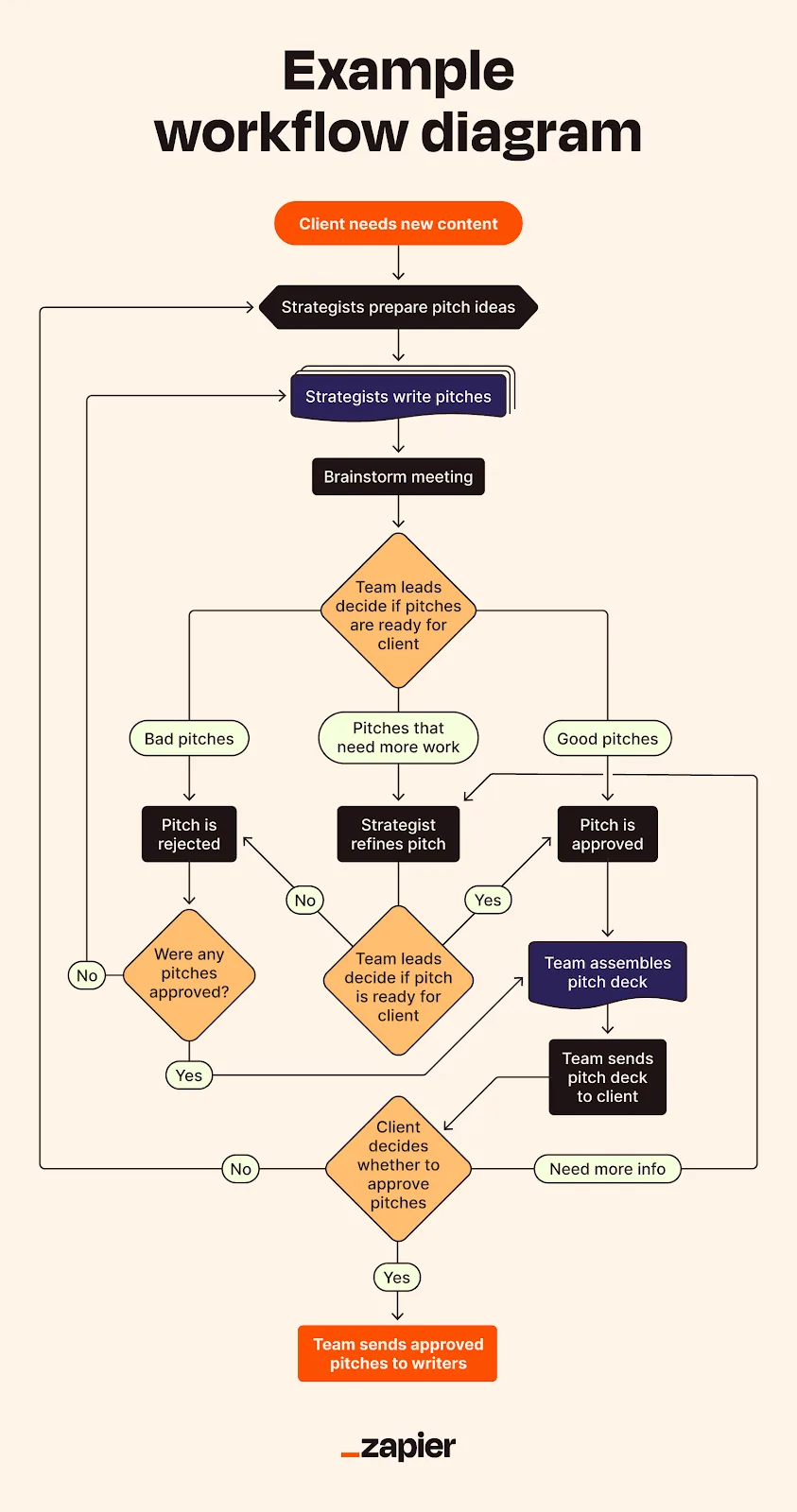
Why Structured Systems Reduce Client Dependency
Once your workflow becomes visible and consistent, client behavior changes naturally.
Clients no longer need to message constantly because they can see progress and trust the system behind it.
Predictability replaces urgency. When updates follow a clear structure, clients stop expecting immediate responses.
Communication becomes more efficient because it shifts from constant check-ins to meaningful discussions.
Most importantly, your availability is no longer the bottleneck, allowing you to focus on execution instead of reacting to messages.
How to Prevent This From Coming Back
Fixing this once is not enough. You need to maintain the structure as your client base grows.
You ensure that all workflows run through the system, avoiding manual processes that require real-time intervention.
You reinforce communication boundaries early, setting clear expectations about response times and update schedules.
You monitor how clients interact with your system, ensuring that visibility remains clear and reliable.
Common Mistakes That Make This Worse
One of the most common mistakes is trying to be more responsive instead of fixing the system, which reinforces the expectation of constant availability.
Another mistake is setting boundaries without providing visibility, which creates frustration instead of clarity.
Some teams rely on inconsistent communication patterns, which makes clients unsure of when they will receive updates.
The most critical mistake is assuming that client expectations are the problem, when they are actually shaped by how your workflow operates.
Conclusion: Clients Expect Availability When Systems Lack Clarity
If clients expect you to be available 24/7, it is not because they want to overwhelm you, it is because your workflow depends on your presence.
Once you replace constant communication with structured visibility and consistent execution, the need for constant availability disappears.
You can continue trying to manage this manually, but as your client base grows, the pressure will grow with it.
At some point, you either build a system that removes dependency on your availability or use one that already does.
That is where platforms like Appilot fit in, not as a restriction, but as a way to create a stable, visible, and scalable workflow that allows you to deliver consistently without being constantly available.