How to Prevent DNS Leaks When Using Proxies
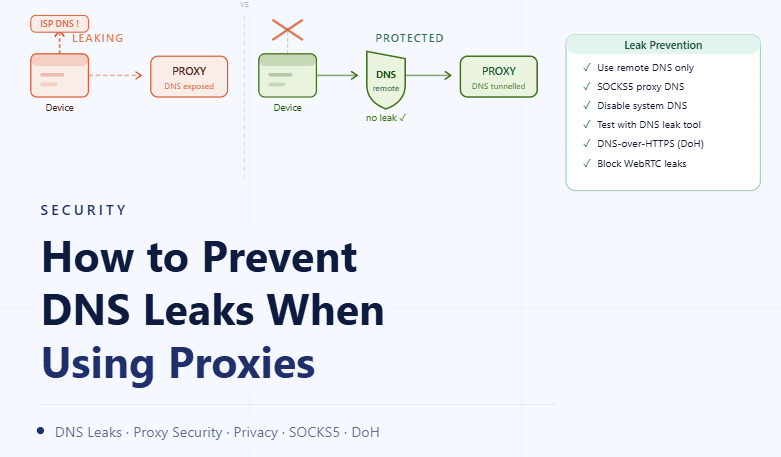
By the end of this tutorial, you will understand how to prevent DNS leaks when using proxies so that your traffic remains consistent and does not expose unintended network information. DNS leaks are a common issue in proxy setups and can silently break the isolation you expect from your configuration. To follow along, you only need a basic understanding of how proxies and internet requests work. The focus here is on designing a secure and reliable setup rather than writing code. This setup typically takes less than an hour to review and configure, but it plays a critical role in maintaining privacy and stability. If you manage multiple workflows, Appilot can help orchestrate execution while your proxy system ensures consistent network behavior. You will build a system that routes all requests properly, avoids leaks, and maintains clean separation between profiles.
Why DNS Leaks Are a Problem
A DNS leak happens when your system sends domain lookup requests outside the proxy, revealing your actual network path instead of the intended routed path. Even if your main traffic goes through a proxy, leaked DNS requests can expose inconsistencies that affect reliability and expected behavior. Preventing this ensures that all parts of your connection follow the same path.
Understanding How DNS Requests Work
When you visit a website, your system first translates the domain name into an IP address using a DNS request. If this request bypasses the proxy and goes directly through your local network, it creates a mismatch between your visible traffic and your lookup behavior. A proper setup ensures that DNS resolution follows the same route as your main traffic.
Ensuring DNS Requests Go Through the Proxy
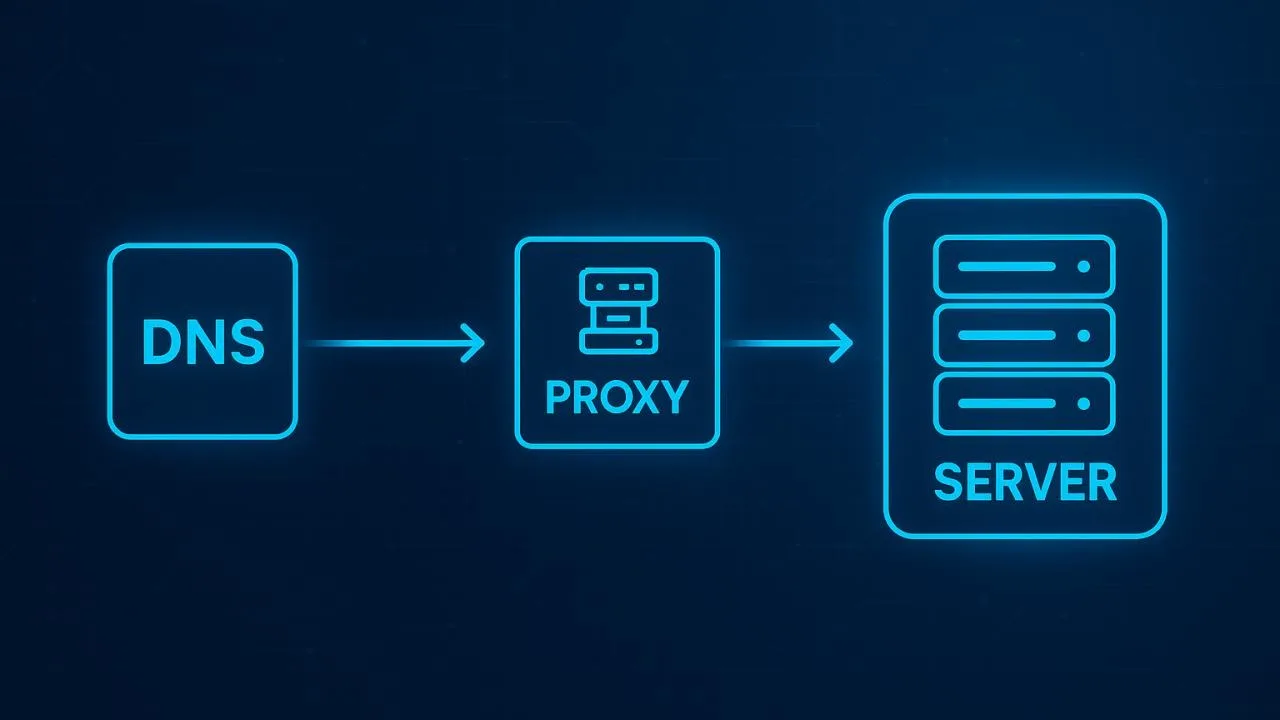
A key step in preventing leaks is making sure that DNS queries are routed through the proxy rather than your default system settings. This aligns all network activity and avoids mismatched routing paths. When DNS and traffic follow the same route, your system behaves consistently.
Avoiding System-Level DNS Overrides
Some systems use default DNS settings that override application-level configurations. This can cause DNS requests to bypass the proxy even when everything else is configured correctly. Reviewing and controlling system-level settings helps prevent unintended routing.
Using Proxy-Compatible DNS Resolution
Not all proxies handle DNS in the same way. Some require specific configuration to ensure that DNS requests are resolved through the proxy connection. Using proxy-compatible resolution ensures that DNS queries are handled correctly within the same path.
Keeping Browser and Application Settings Consistent
Different applications may handle DNS differently. Ensuring that browser and application settings align with your proxy configuration helps maintain consistent behavior. Misaligned settings can lead to partial leaks even if the overall setup seems correct.
Testing for DNS Leaks
After configuring your system, it is important to verify that DNS requests are routed correctly. Testing allows you to confirm that there are no leaks and that all traffic behaves as expected. Regular checks help maintain reliability over time.
Avoiding Mixed Network Configurations
Using multiple network configurations without coordination can create conflicts. For example, combining different proxy types or partial routing setups may lead to inconsistent DNS behavior. Keeping configurations simple and aligned reduces this risk.
Monitoring Network Behavior Over Time
Even after setup, network behavior can change due to updates or environmental factors. Monitoring helps detect any unexpected changes in DNS routing. Continuous observation ensures that your system remains stable.
Integrating DNS Leak Prevention into Workflow Systems
DNS leak prevention should be part of your overall network configuration rather than a one-time fix. Integrating it into your workflow ensures that all profiles and applications follow the same secure routing rules. This creates consistency across operations.
Scaling Secure Network Configuration with Appilot
At this stage, your DNS setup works locally and ensures consistent routing. As the number of profiles and workflows increases, maintaining secure configurations manually becomes more complex. This is where Appilot becomes useful because it helps orchestrate workflows while your proxy system ensures that all network requests remain aligned and secure.
FAQ
Q1: What is a DNS leak?
It is when DNS requests bypass the proxy and reveal your actual network path.
Q2: Why is it important to prevent DNS leaks?
Because leaks create inconsistencies and expose unintended network behavior.
Q3: How do I know if I have a DNS leak?
By testing whether DNS requests follow the same route as your proxy traffic.
Q4: Can DNS leaks happen even with proxies enabled?
Yes, if DNS requests are not routed correctly.
Q5: Do I need Appilot for DNS leak prevention?
No, you can configure it locally. Appilot becomes useful when scaling workflows.
Conclusion
Preventing DNS leaks is essential for maintaining consistent and reliable proxy behavior. By ensuring that DNS requests follow the same path as your main traffic, you can avoid mismatches and maintain stability. Start by reviewing your DNS routing, align all configurations, and test regularly. Once this system is in place, your network setup becomes more predictable and secure.