How to Recover from Accidental Bulk Account Deletion (And Make Sure It Never Happens Again)

It Was Meant to Be Cleanup… Then Everything Disappeared
You were trying to organize things. Maybe you selected a group of accounts to remove inactive ones, or you were cleaning up clutter to make your system easier to manage. It felt like a routine action.
Then you realized something was wrong.
More accounts disappeared than expected. Not just inactive ones, but active accounts, client accounts, or accounts tied to ongoing workflows. What was supposed to be a simple cleanup turned into a large-scale deletion.
At that moment, everything shifts. Work stops, clients may be affected, and you are forced into immediate recovery mode without knowing how much can actually be restored.
This is one of the most damaging operational mistakes, not because it happens often, but because when it does, the impact is immediate and widespread.
Why Bulk Account Deletions Happen
Bulk deletion is rarely about a single careless action. It usually happens because the system makes it easy to act on multiple accounts without enough clarity or safeguards.
The first cause is poor grouping. When accounts are not clearly categorized, selecting multiple accounts becomes risky because it is difficult to distinguish between active and inactive ones.
The second cause is unclear status. If you cannot instantly tell which accounts are safe to remove, you are forced to rely on memory or assumptions, which increases the chance of error.
The third cause is interface design. Many platforms allow bulk actions without strong confirmation layers, which means one action can affect many accounts at once.
The fourth cause is lack of separation. When active and inactive accounts exist in the same environment, mistakes become much more likely.
The Hidden Cost of Bulk Deletion
The immediate impact is obvious, but the deeper consequences can be more damaging.
You lose time trying to recover accounts, which delays workflows and affects productivity.
There may be permanent data loss, including content, history, or configurations that cannot be fully restored.
Client relationships can be affected if their accounts are involved, especially if recovery is not immediate.
There is also a long-term impact on confidence. After such an event, every action feels riskier, which slows down decision-making and execution.
The Immediate Recovery Plan (What to Do Right Now)
When bulk deletion happens, acting quickly and methodically is critical.
The first step is identifying recovery windows. Many platforms provide a limited time where deleted accounts can be restored, so you check immediately for recovery options.
The second step is prioritizing critical accounts. You focus on restoring accounts that are actively in use or tied to client work.
The third step is contacting platform support. If recovery options are limited, support teams may be able to assist if contacted quickly with the right details.
The fourth step is reconstructing what cannot be restored. If some accounts are permanently lost, you begin rebuilding them using any available backups or stored data.
The Real Problem: Your System Allows High-Risk Actions
The core issue is not that the deletion happened, but that your system allowed a high-impact action without enough safeguards.
When multiple accounts can be selected and removed without clear separation or confirmation, the risk of large-scale mistakes increases significantly.
What you need is not just more caution, but a system that reduces the impact of mistakes by design.
The Complete Solution: Structure Account Management to Reduce Risk
The only way to prevent this permanently is to redesign how accounts are organized and managed.
The first step is defining clear account states. Every account should have a visible status, such as active, paused, or archived, so there is no ambiguity.
The second step is separating environments. Active accounts should not exist in the same space as accounts that are safe to delete.
The third step is controlling execution. Actions should be performed within a structured system that reduces the likelihood of selecting the wrong accounts.
This is where many teams struggle, because maintaining structured environments across multiple accounts and platforms requires consistency and coordination.
This is also where tools like Appilot become relevant.
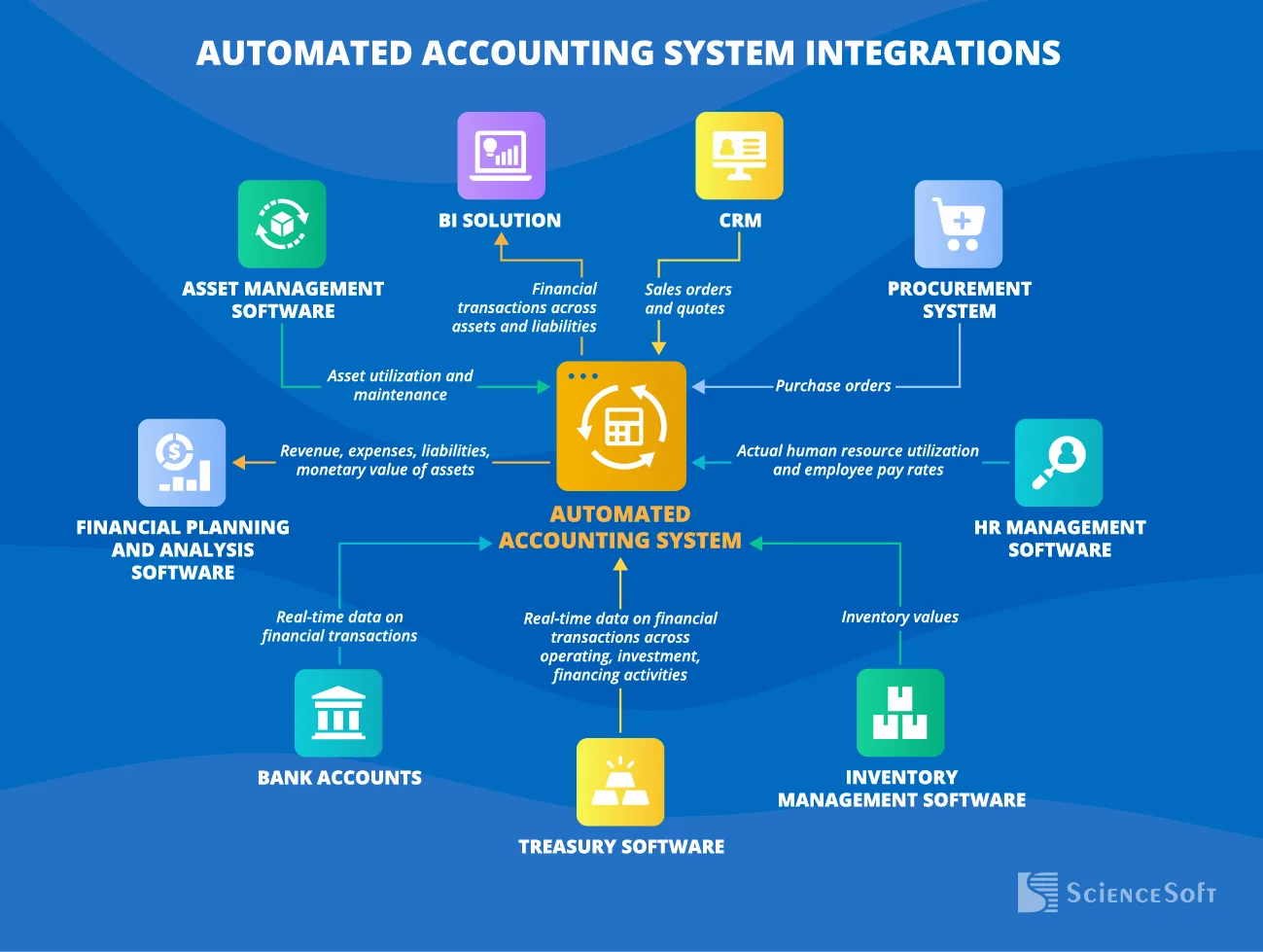
Instead of managing accounts across scattered interfaces, Appilot allows you to run workflows on real devices within a centralized system, where accounts are organized and actions are executed in a controlled environment. This reduces the risk of bulk mistakes and improves overall management clarity.
You could attempt to build similar organization manually using spreadsheets and separate tools, but maintaining accuracy becomes difficult as you scale. Appilot simplifies this by providing a structured system where execution and organization are aligned.
The key shift is moving from risky bulk actions to controlled systems.
Why Structured Systems Prevent Large-Scale Mistakes
Once accounts are organized within a structured system, the risk of bulk deletion drops significantly.
You can clearly distinguish between accounts, reducing the chance of accidental selection.
Actions become more deliberate because the environment guides decisions instead of leaving them open to error.
Consistency improves because workflows follow defined patterns rather than ad hoc actions.
Most importantly, the system scales without increasing risk.
How to Prevent This From Happening Again
Prevention requires maintaining clarity as your system grows.
You ensure that all accounts are categorized correctly from the beginning.
You regularly review account status to keep information accurate.
You standardize how actions are performed, reducing variability and confusion.
Common Mistakes That Make This Worse
One of the most common mistakes is managing all accounts in a single cluttered environment without separation.
Another mistake is relying on memory instead of visible status indicators.
Some teams attempt to organize accounts but do not maintain the system consistently, which leads to outdated information.
The most critical mistake is assuming that bulk mistakes are rare, when they are actually a natural outcome of unstructured systems.
Conclusion: High-Impact Mistakes Require Low-Risk Systems
If you have experienced accidental bulk account deletion, it is not just a one-time issue, it is a signal that your system needs to change.
Once you introduce clear structure, separation, and controlled execution, the risk of large-scale mistakes drops dramatically.
You can continue trying to be more careful, but as your number of accounts grows, the potential impact of mistakes will grow with it.
At some point, you either build a system that reduces risk or use one that already does.
That is where platforms like Appilot fit in, not as a safety feature, but as a way to create a structured, controlled environment where large-scale errors become far less likely.