How to Scale Past 100 Profiles Without Buying New Hardware

You reach a point where your system feels maxed out, not completely broken, not crashing every minute, but clearly under pressure, where opening more profiles starts to slow everything down, tasks take longer to execute, and even simple actions feel heavier than they should.
Somewhere around fifty, maybe eighty, and definitely by the time you approach one hundred profiles, you begin to notice a pattern, your machine is no longer keeping up, and every additional profile feels like pushing it closer to a limit you cannot clearly define but can definitely feel.
You start thinking about upgrades, more RAM, better CPU, faster storage, maybe even a new machine entirely, because it seems like the only logical solution when your current setup cannot handle the load anymore.
But here is the uncomfortable reality that most people only discover after spending money, upgrading hardware does not solve the real problem, it only delays it, because the limitation you are hitting is not just about power, it is about how your system is structured.
You are not alone in this, and more importantly, you are not stuck, because scaling past one hundred profiles is absolutely possible without buying new hardware, but it requires a shift in how you think about execution, resources, and architecture.
Once you understand why your system stops scaling and what is actually creating that ceiling, you can break through it in a way that is far more efficient than simply throwing more hardware at the problem.
Why You Can’t Scale Beyond 100 Profiles
Most people assume the limit comes from RAM or CPU, but the real issue is how all profiles are being forced to coexist within a single system.
Centralized Execution Creates a Hard Ceiling
When all profiles run on one machine, every process competes for the same CPU cycles, memory, disk access, and network bandwidth, which means that even if each profile is lightweight individually, the combined load creates a bottleneck that cannot be avoided.
At a certain point, adding more profiles does not increase output, it decreases overall efficiency because everything slows down.
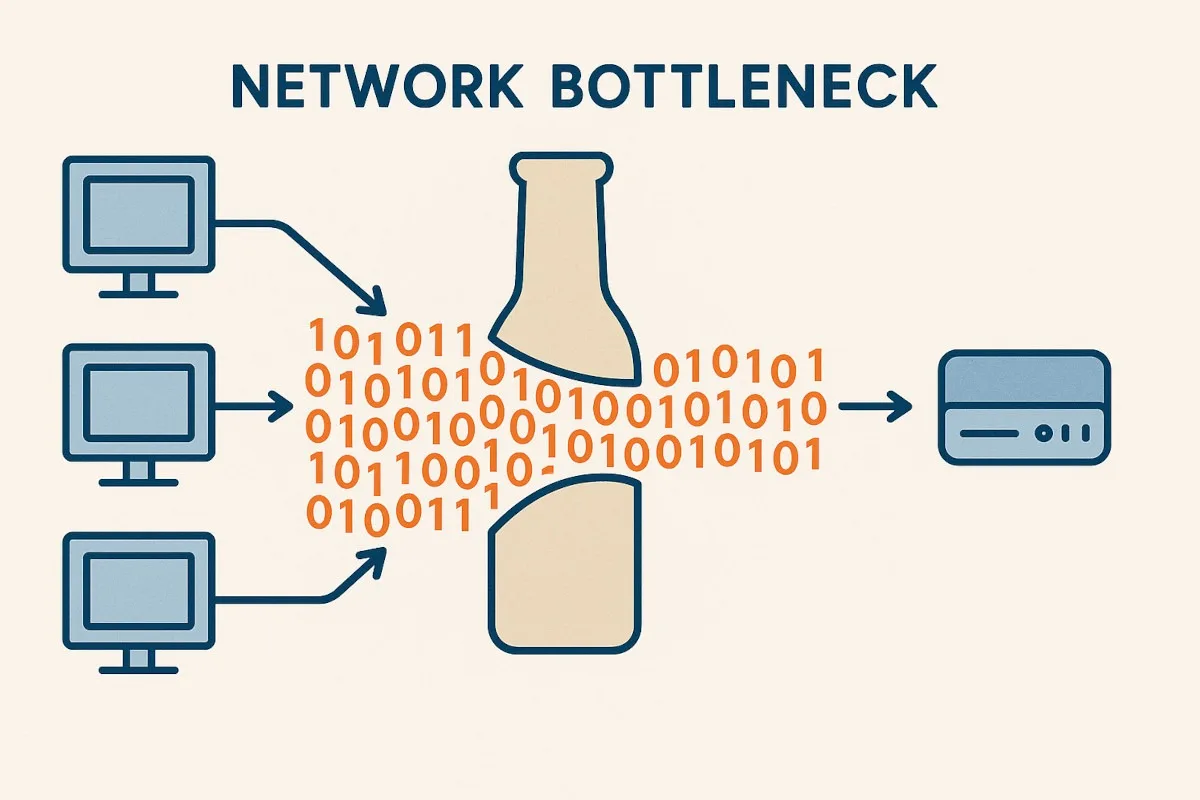
Resource Contention Becomes Exponential
The more profiles you add, the more they interfere with each other, creating delays, queueing issues, and unpredictable execution patterns that reduce performance across the board.
This is why scaling feels smooth at first but becomes increasingly difficult as you approach higher numbers.
System-Level Limits You Can’t Bypass
Operating systems, browsers, and hardware all have inherent limits, whether it is thread handling, memory allocation, or disk throughput, and these limits are not always visible until you push your system to scale.
Once you hit them, no amount of optimization can fully eliminate the bottleneck.
The Hidden Cost of Trying to Scale on One Machine
Trying to scale beyond one hundred profiles on a single system does not just slow things down, it creates instability, increases failure rates, and forces you to spend more time managing performance than actually running your workflows.
You end up constantly adjusting, restarting, and troubleshooting, which defeats the purpose of automation entirely.
More importantly, it prevents you from growing, because every additional profile adds more friction instead of more output.
The Complete Solution: Scale Beyond 100 Profiles Without New Hardware
The key to scaling is not increasing the power of your machine, but reducing its burden.
Instead of treating your computer as the execution engine for all profiles, you need to shift to a model where your computer becomes a control layer, and execution happens elsewhere.
This is where distributed automation becomes essential, because it allows you to run workflows across multiple independent environments rather than forcing everything through a single bottleneck.
A highly effective way to implement this is by using a platform like Appilot, which enables you to run automation directly on Android devices instead of relying on heavy browser profiles on your computer.
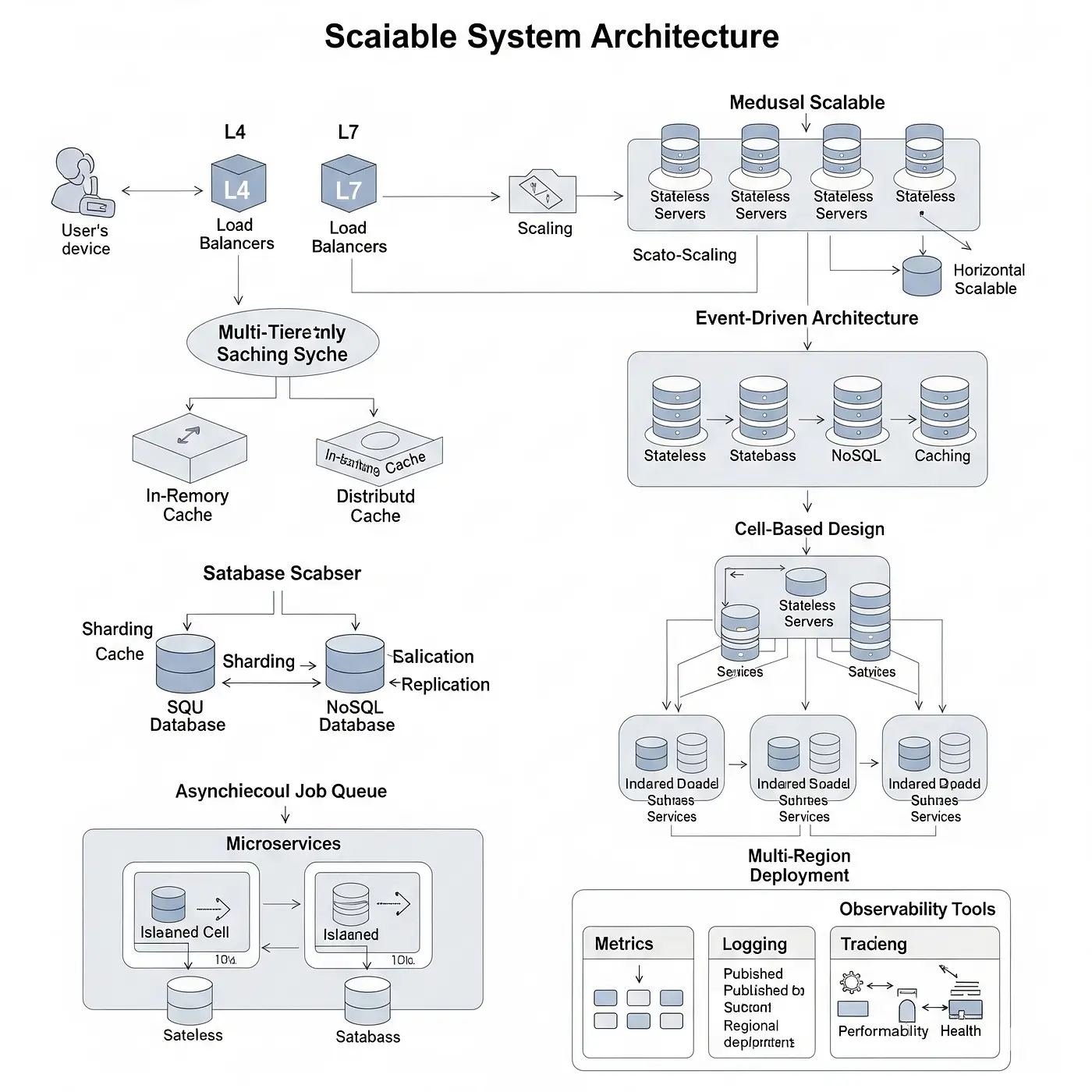
With this approach, each device handles its own workload independently, which means that adding more capacity no longer increases pressure on your computer, it simply expands your system horizontally.
Instead of hitting a hard ceiling, you gain a flexible structure where scaling becomes a matter of adding more environments rather than pushing a single one beyond its limits.
Once this foundation is in place, you can optimize how tasks are distributed, ensuring that workloads are balanced and that no single environment becomes overloaded.
Monitoring becomes critical at this stage, allowing you to track performance and adjust your setup dynamically as your system grows.
How to Prevent Scaling Limits From Returning
Preventing future limits requires designing your system with scalability in mind from the beginning, ensuring that workloads are always distributed rather than centralized.
By maintaining separation between environments and avoiding dependency on a single system, you eliminate the bottlenecks that create scaling ceilings.
Regular monitoring helps you identify when you are approaching capacity, allowing you to scale proactively rather than reactively.
Common Mistakes That Keep You Stuck
One of the most common mistakes is continuously upgrading hardware without changing the underlying architecture, which only postpones the problem.
Another is trying to optimize individual profiles while ignoring the system-level bottleneck, which results in marginal improvements but no real scalability.
There is also a tendency to assume that limits are fixed, when in reality they are often a result of how the system is designed.
Real Success Stories: Before and After
A user managing large-scale automation workflows found themselves unable to scale beyond one hundred profiles without severe slowdowns and instability, despite having high-end hardware.
After transitioning to a distributed setup using Appilot, they were able to scale significantly beyond their previous limit without upgrading their machine, achieving both stability and efficiency.
Another example involved a team running multiple campaigns, where scaling was limited by system performance, but after restructuring their setup, they were able to expand operations without additional hardware investment.
Frequently Asked Questions
One common question is whether upgrading hardware can solve scaling issues, and while it can increase capacity temporarily, it does not eliminate the fundamental limitation of centralized execution.
Another question is how many profiles can be run with a distributed setup, and the answer depends on how many environments you create, but the limit becomes far higher than what a single machine can handle.
There is also the concern about complexity, and while distributed systems require a different approach, platforms like Appilot simplify the process significantly.
Conclusion: Scale Without Limits
If you are stuck at one hundred profiles, it is not because you have reached an absolute limit, but because your system is designed in a way that creates one.
Once you shift from a centralized model to a distributed one, the ceiling disappears, and scaling becomes a function of structure rather than hardware.
If you want to grow beyond your current limits without investing in new machines, the solution is not to push harder, but to rethink how your system operates, because once you do, scaling stops being a problem and becomes an opportunity.