How to Scale Without Losing Quality Control
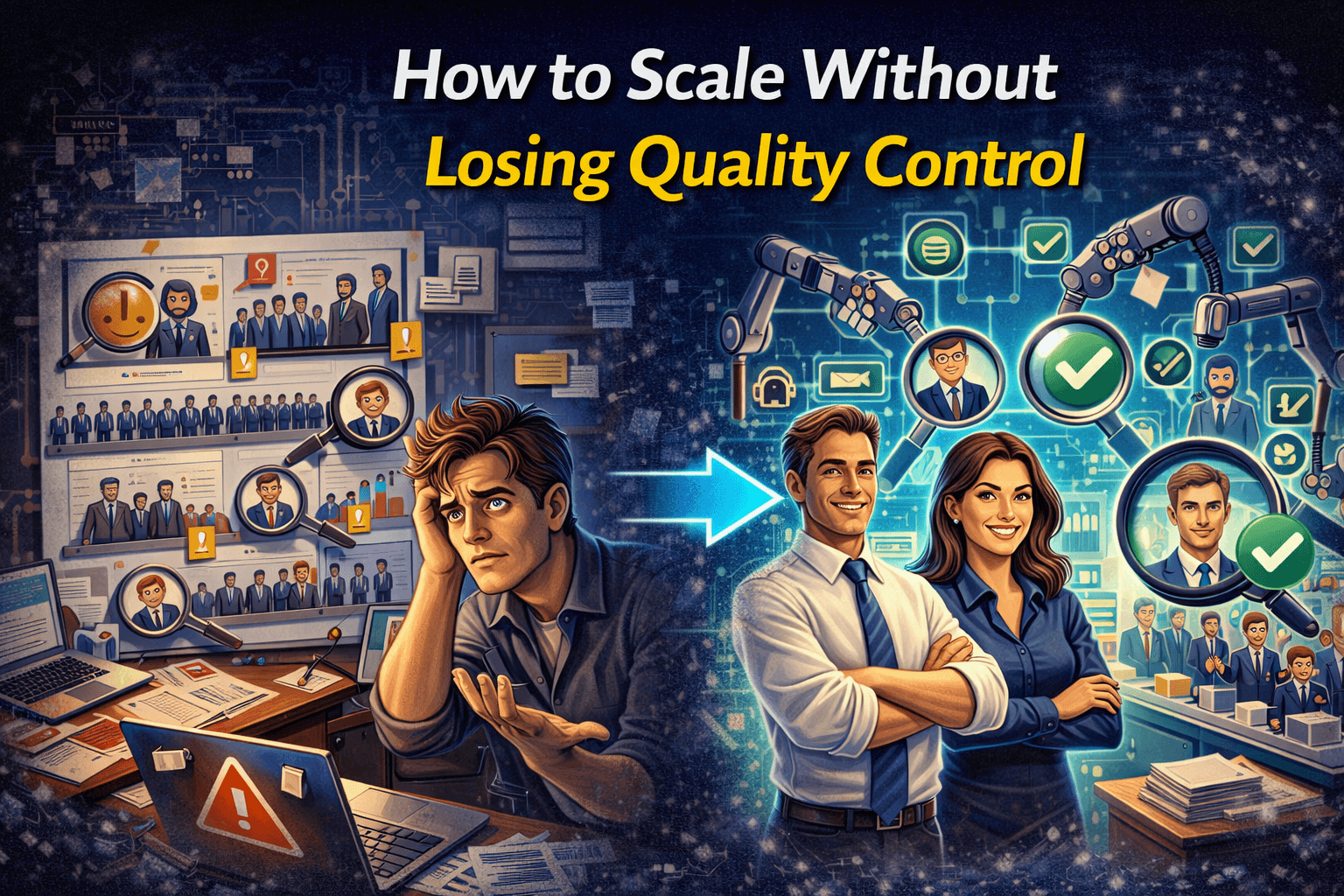
At the beginning, quality feels natural, almost effortless, because you are involved in everything, every task, every decision, every detail passes through you, which means nothing slips through unnoticed and everything meets your standards.
But as you grow, as more clients come in, as more workflows are added, and as your team expands, something starts to shift, not dramatically at first, but gradually, where small inconsistencies begin to appear, tasks are completed slightly differently, outputs vary, and the level of control you once had starts to fade.
You begin to notice things you would have done differently, small errors that were missed, variations in execution that feel off, and while none of these may seem critical on their own, together they create a sense that quality is slipping as you scale.
This creates a difficult tension, because growth requires letting go, but letting go feels like risking the very thing that made your business successful in the first place.
So you try to stay involved, reviewing more work, checking more outputs, and maintaining oversight, but that quickly becomes unsustainable, because the more you scale, the more your involvement turns into a bottleneck.
You are not alone in this, and more importantly, this is not an unavoidable trade-off, because quality does not have to decrease as you scale, it only does when systems are not designed to maintain it.
The good news is that once you understand why quality drops and how to build systems that enforce consistency, you can scale confidently without sacrificing standards.
Why Quality Drops as You Scale
Quality issues are rarely caused by one major failure, they emerge from subtle gaps that appear when systems are not structured for consistency.
Inconsistency in Execution
When tasks are performed by different people or systems without a standardized approach, variability increases, leading to inconsistent results.
Lack of Clear Standards
If expectations are not clearly defined, each person interprets quality differently, which leads to variations in output.
Reduced Visibility
As operations expand, it becomes harder to see everything, making it easier for issues to go unnoticed.
Over-Reliance on Manual Checks
Trying to maintain quality through manual review alone becomes unsustainable as volume increases, creating bottlenecks and delays.
The Hidden Cost of Poor Quality Control
When quality drops, it affects more than just output, it impacts client trust, increases rework, and creates inefficiencies that slow down your entire operation.
You spend more time fixing mistakes, managing expectations, and addressing issues that could have been prevented, which reduces overall productivity.
More importantly, it limits your ability to scale confidently, because every increase in workload introduces more risk.
The Complete Solution: Scale Without Losing Control
Maintaining quality at scale requires shifting from manual oversight to system-driven control, where quality is built into the process rather than checked after the fact.
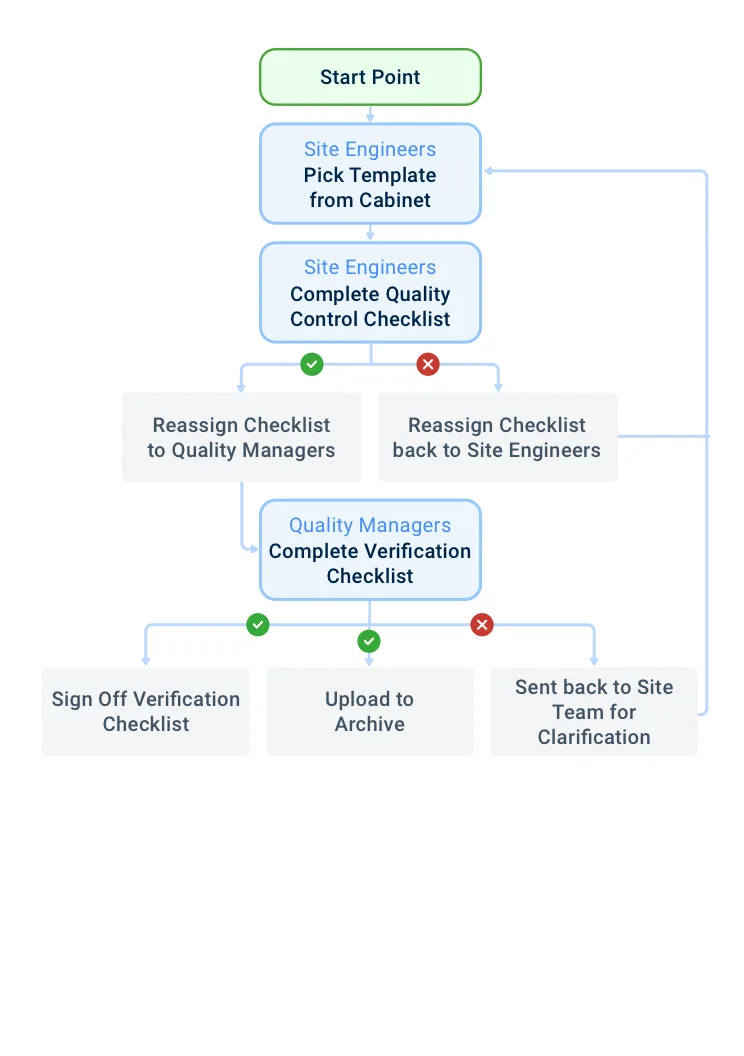
The first step is defining clear standards, outlining exactly what good output looks like, including criteria, examples, and benchmarks that leave no room for interpretation.
Once standards are defined, the next step is standardizing processes, ensuring that tasks are performed consistently regardless of who executes them.
Automation plays a key role here, because it reduces variability and ensures that repetitive tasks are executed the same way every time.
A practical way to implement this is by using a platform like Appilot, which allows you to automate workflows on real devices, ensuring consistency and reducing human error.
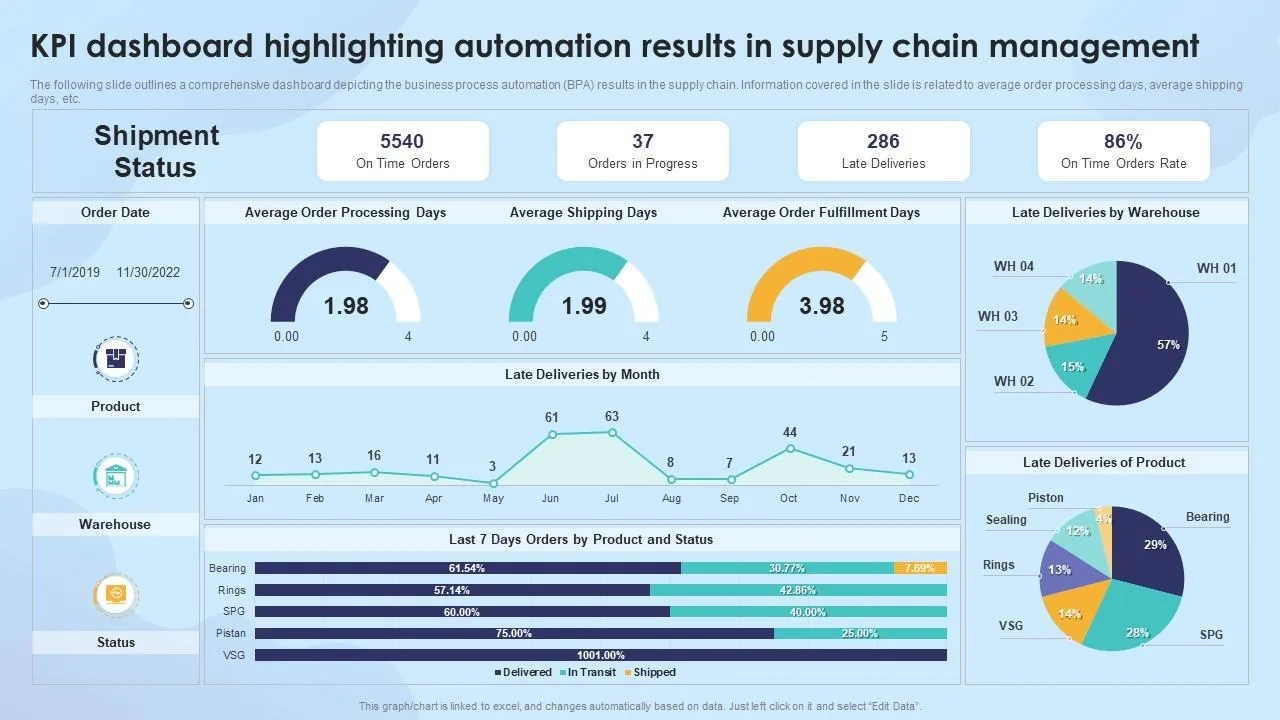
In addition to automation, you need to implement feedback loops, where outputs are regularly reviewed, not to catch every error, but to identify patterns and improve the system.
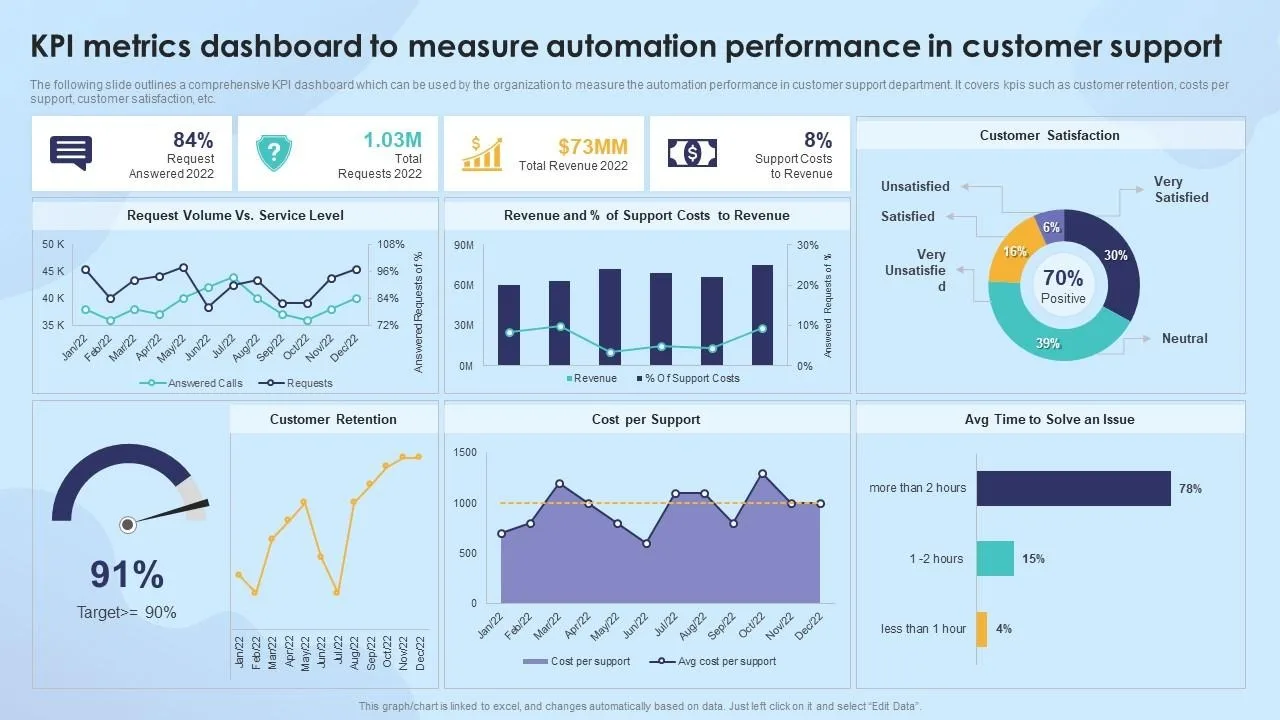
Monitoring tools help you track performance and detect anomalies, allowing you to address issues early.
The goal is not to eliminate human involvement, but to reduce dependency on manual checks by creating systems that enforce quality automatically.
How to Prevent Quality Issues From Returning
Prevention starts with maintaining clarity and consistency in your processes, ensuring that standards are always up to date and accessible.
Regular training helps your team stay aligned with expectations, while continuous improvement ensures that your system evolves as your business grows.
Automation ensures that repetitive tasks remain consistent, reducing the risk of variation.
Common Mistakes That Lead to Quality Loss
One of the most common mistakes is relying solely on manual review, which becomes ineffective at scale.
Another is failing to define clear standards, which leads to inconsistent execution.
There is also a tendency to prioritize speed over quality, which can create long-term issues.
Real Success Stories: Before and After
A business that struggled with maintaining quality as it scaled found that increased volume led to more errors and inconsistencies.
After implementing standardized processes and automation using Appilot, they were able to maintain high-quality output while handling a larger workload.
Another example involved a team that faced challenges with consistency, but after restructuring their system, they achieved reliable and scalable operations.
Frequently Asked Questions
One common question is whether automation can replace quality control, and while it cannot replace human judgment entirely, it significantly reduces variability and improves consistency.
Another question is how to balance speed and quality, and the answer lies in designing systems that optimize both rather than treating them as trade-offs.
There is also the concern about flexibility, and well-designed systems can adapt while maintaining standards.
Conclusion: Scale With Confidence
Scaling without losing quality control is not about working harder or checking more, it is about building systems that ensure consistency and reliability.
Once you shift from manual oversight to structured processes and automation, quality becomes a built-in feature rather than a constant concern.
If you are facing this challenge right now, the best step forward is not to hold on tighter, but to design better systems, because once you do, growth and quality can go hand in hand.