How to Set Up Rotating Proxies on a Schedule
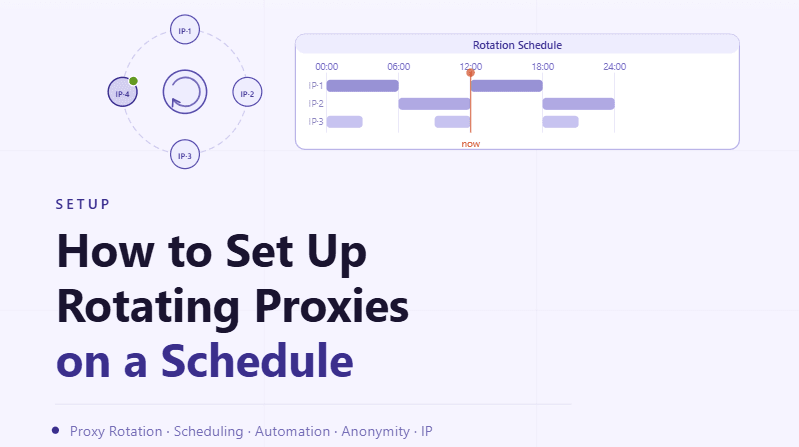
By the end of this tutorial, you will understand how to design a system that rotates proxies at controlled intervals instead of randomly or too frequently. Rotation is useful, but without structure, it can create instability, broken sessions, and inconsistent behavior across workflows.
To follow along, you only need a basic understanding of how proxies connect your profiles to the internet. The focus here is on building a reliable rotation strategy rather than writing code.
This setup typically takes about an hour to define properly, but it has a strong impact on consistency and performance. If you manage many profiles or workflows, Appilot can help orchestrate execution while your rotation system ensures smooth transitions.
You will build a system that rotates proxies based on time or usage, maintains session stability, and avoids common rotation mistakes.
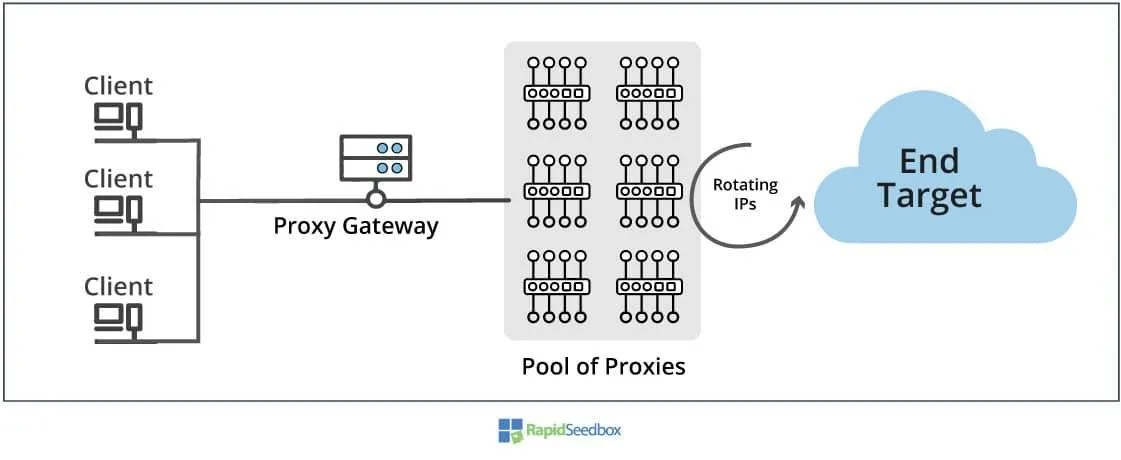
Why Scheduled Rotation Is Better Than Random Switching
Random proxy changes often lead to inconsistent sessions and unexpected errors. When rotation happens without control, workflows may break because the environment changes too frequently.
A scheduled approach ensures that rotation is predictable and aligned with how your system operates. This creates stability while still allowing variation over time.
Understanding When Rotation Is Necessary
Not every workflow requires frequent proxy changes. Some setups benefit from stable connections, while others may need periodic rotation to distribute usage.
Understanding your use case helps determine how often rotation should occur and prevents unnecessary changes.
Choosing a Rotation Strategy
Rotation can be based on time intervals, usage thresholds, or specific workflow events. Time-based rotation is the most common because it is easy to manage and predictable.
The chosen strategy should align with how your profiles are used and how long sessions typically last.
Setting Appropriate Rotation Intervals
Intervals should not be too short or too long. Frequent rotation can disrupt sessions, while infrequent rotation may lead to uneven usage.
A balanced interval ensures that proxies are rotated at a pace that supports both stability and distribution.
Maintaining Session Consistency
One of the biggest challenges in rotation is maintaining session consistency. Changing proxies mid-task can cause interruptions or inconsistencies.
A good system ensures that rotation happens at safe points, such as between tasks rather than during active operations.
Organizing Proxies into Pools
Managing proxies becomes easier when they are grouped into pools. Each pool can be assigned to a set of profiles, and rotation can occur within the pool.
This structure prevents overuse of certain proxies and ensures better distribution.
Avoiding Reuse Patterns
Repeatedly cycling through the same proxies in a predictable order can create patterns. Introducing variation in rotation order helps maintain a more balanced system.
This reduces the chance of creating detectable patterns in network behavior.
Monitoring Proxy Performance Over Time
Not all proxies perform equally, and performance can change over time. Monitoring helps identify slow or unreliable proxies so they can be replaced or used less frequently.
Consistent monitoring improves the overall quality of the system.
Handling Rotation Failures Smoothly
Sometimes a proxy may fail during rotation. The system should handle this gracefully by selecting another available proxy without disrupting workflows.
Smooth handling ensures that rotation does not introduce instability.
Integrating Rotation into Workflow Management
Rotation should be built into your workflow system so that proxy changes happen automatically at the right time. This ensures consistency across all tasks.
Integration removes the need for manual adjustments and reduces errors.
Scaling Rotation with Appilot
At this stage, your rotation system works locally and ensures stable proxy usage. As the number of profiles and workflows increases, managing rotation manually becomes more complex.
This is where Appilot becomes useful because it helps orchestrate workflows while your rotation system maintains consistent network behavior.
FAQ
Q1: What is proxy rotation?
It is the process of switching between different proxy endpoints over time.
Q2: Why schedule rotation instead of random changes?
Because scheduled rotation is more stable and predictable.
Q3: How often should proxies rotate?
It depends on usage, but intervals should balance stability and distribution.
Q4: Can rotation break sessions?
Yes, if done at the wrong time. Rotation should occur between tasks.
Q5: Do I need Appilot for rotation?
No, you can manage it locally. Appilot becomes useful when scaling workflows.
Conclusion
Setting up rotating proxies on a schedule is essential for maintaining a stable and efficient system. By controlling when and how proxies change, you can avoid disruptions while still distributing usage effectively.
Start by choosing a clear rotation strategy, define balanced intervals, and integrate rotation into your workflows. Once this system is in place, your network behavior becomes more consistent and reliable.