How to Stop Anxiety About Accounts Getting Banned (Without Slowing Down Your Growth)
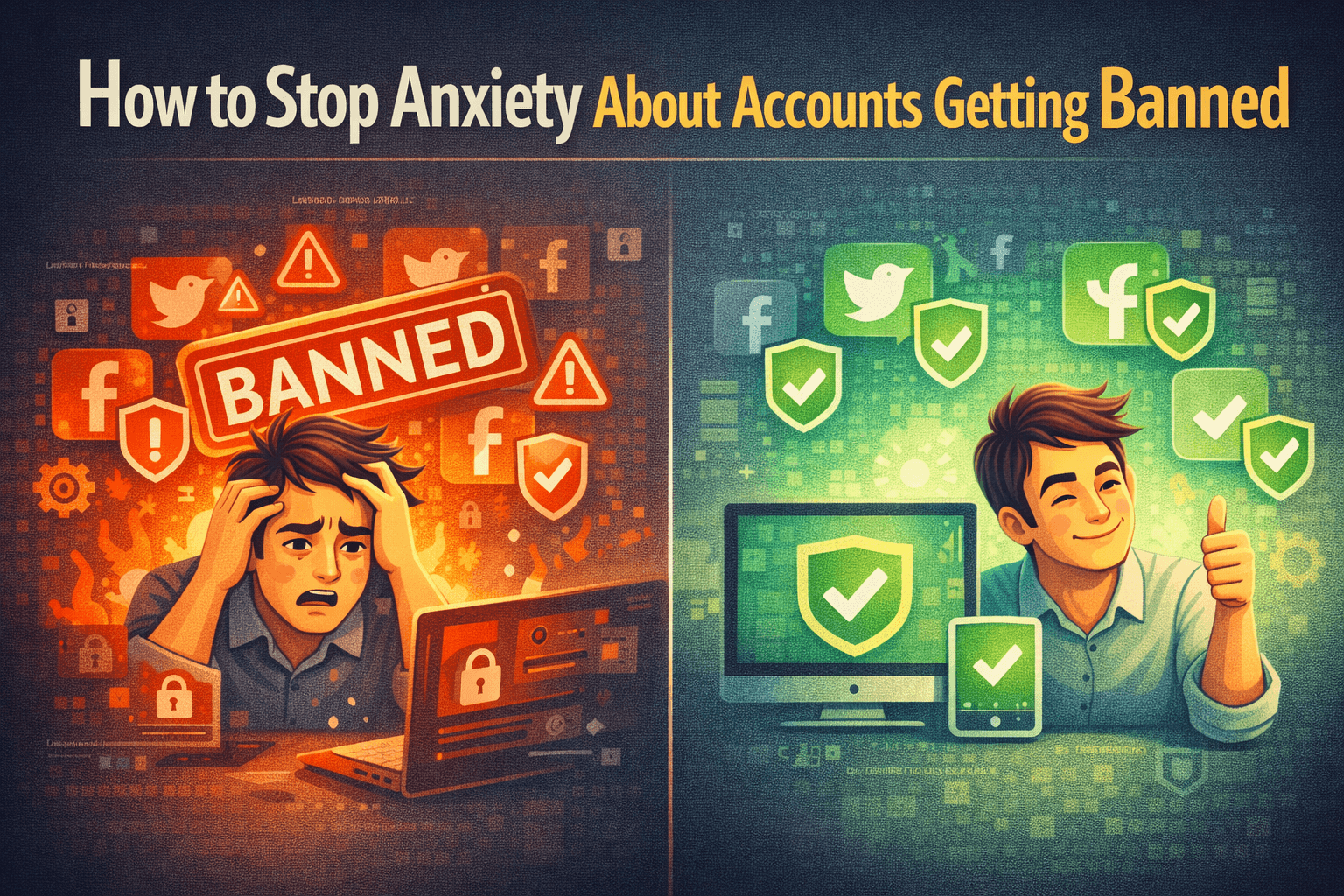
You log into your accounts and everything seems fine, campaigns are running, automation is active, and results are coming in, yet there is always that underlying tension, a constant thought that something could go wrong at any moment.
An account could get restricted, flagged, or banned, sometimes without warning, and the more accounts you manage, the stronger that feeling becomes, because the risk feels multiplied across everything you are running.
You might find yourself checking accounts more often than necessary, looking for signs of issues, reviewing activity, or adjusting workflows just to feel safer, even when nothing is actually wrong.
What makes this anxiety difficult to deal with is that it is not entirely irrational, because account bans do happen, and when they do, they can disrupt workflows, affect results, and create setbacks that take time to recover from.
So you end up stuck between wanting to scale and wanting to stay safe, unsure how to move forward without increasing risk.
You are not alone in this, and more importantly, this is not something you have to accept as part of the process, because while you cannot eliminate risk completely, you can reduce it to a level where it no longer controls your decisions.
The key is understanding where the risk actually comes from and how to design your system to operate safely and predictably.
Why This Anxiety Exists
The anxiety around account bans is rooted in uncertainty and lack of control.
Platforms Don’t Always Explain Actions
When accounts are restricted or banned, platforms often provide limited information, which makes it difficult to understand what caused the issue.
Risk Increases With Scale
As you manage more accounts, the probability of encountering issues increases, even if each individual account is handled carefully.
Past Experiences Reinforce Fear
If you have experienced bans or restrictions before, it creates a pattern where you expect it to happen again.
Lack of Predictable Systems
When your setup is inconsistent or unpredictable, it becomes harder to trust that everything will continue to work smoothly.
The Hidden Cost of This Anxiety
This constant concern does not just affect your mindset, it impacts how you operate.
You may avoid scaling, limit your activity, or spend excessive time monitoring accounts, which reduces efficiency and growth.
More importantly, it keeps you in a reactive mode, where decisions are driven by fear rather than strategy.
The Complete Solution: Build a System That Reduces Risk
Reducing anxiety starts with reducing uncertainty, and that requires building a system that operates in a predictable and controlled way.
The first step is aligning your workflows with platform expectations, ensuring that your activity patterns resemble normal user behavior rather than automated or coordinated actions.
Next, you need to distribute activity, avoiding concentration of actions in a single environment, which can trigger detection.
Consistency is key, because predictable systems are easier to manage and less likely to create unexpected issues.
The environment in which your automation runs also plays a significant role, because unnatural environments can increase detection risk.
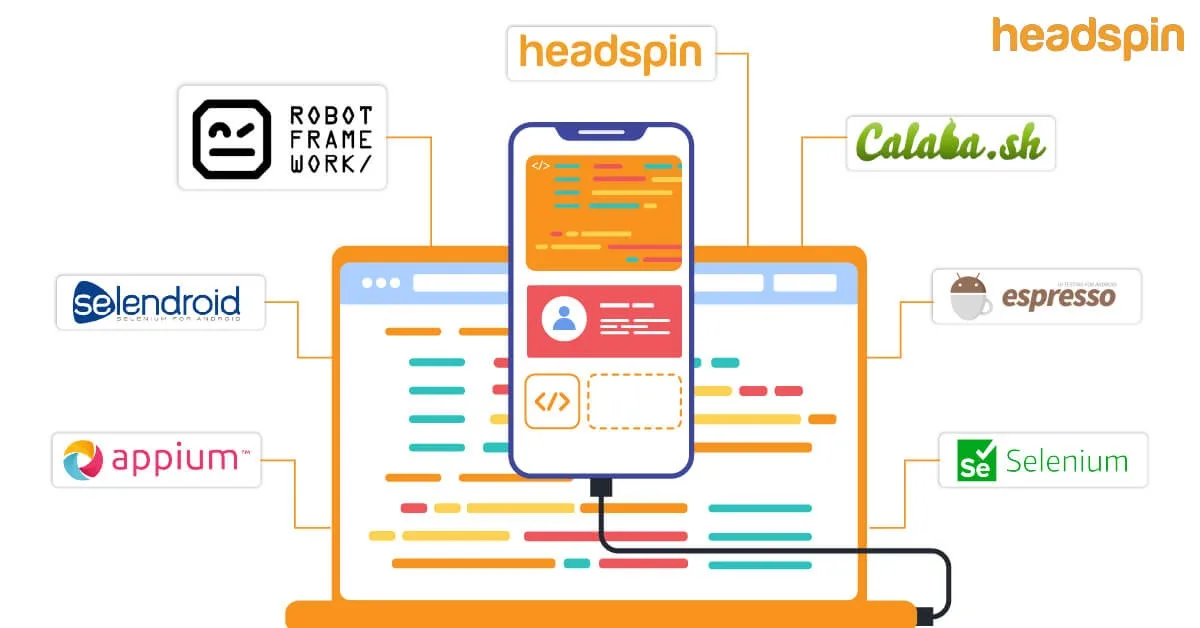
This is where using real-device execution becomes important, and platforms like Appilot help by running workflows on actual devices, creating more natural behavior patterns.
Monitoring also plays a role, but instead of constant checking, it should provide clear signals when something needs attention, allowing you to focus on growth rather than worry.
How to Prevent This Anxiety From Coming Back
Prevention starts with maintaining a structured system, ensuring that your workflows remain consistent and aligned with platform expectations.
Regular reviews help you identify potential risks early and adjust your setup accordingly.
Automation should reduce uncertainty, not increase it, which means designing it in a way that is predictable and controlled.
Common Mistakes That Increase Anxiety
One of the most common mistakes is running all activity from a single environment, which increases detection risk.
Another is ignoring platform rules, which can lead to unexpected issues.
There is also a tendency to over-monitor, which reinforces anxiety without actually reducing risk.
Real Success Stories: Before and After
A user managing multiple accounts found themselves constantly worried about bans, checking accounts frequently and limiting their activity.
After restructuring their system and using Appilot for more natural execution, they were able to reduce risk and operate with greater confidence.
Another example involved a team that struggled with inconsistent workflows, but after standardizing their system, they achieved more stable and predictable performance.
Frequently Asked Questions
One common question is whether it is possible to eliminate account bans entirely, and while it is not possible to remove risk completely, it can be significantly reduced.
Another question is how to know if your system is safe, and the answer lies in consistency, monitoring, and alignment with platform expectations.
There is also the concern about scaling, and a well-designed system allows for growth without increasing risk significantly.
Conclusion: Replace Fear With Control
If you are constantly worried about accounts getting banned, it is not because you are overthinking, but because your system may not provide enough predictability and control.
Once you build a structured, consistent setup that aligns with platform behavior, the uncertainty decreases, and with it, the anxiety.
If you are dealing with this right now, the best step forward is not to hold back, but to redesign your system, because once you do, you can scale with confidence instead of fear.