How to Stop Clients From Logging Into Accounts Themselves (Without Breaking Trust)
You Gave Access to Help… And It Started Creating Problems
At some point, it felt reasonable to share access with your client. Maybe they wanted visibility, maybe they wanted to “just check something,” or maybe it was faster than explaining every detail. It felt harmless, even helpful.
Then the pattern starts. A post gets edited after it goes live. A setting is changed without context. Something is deleted, moved, or updated, and your team has no idea it happened until something breaks. You check internally, no one on your team did it, and eventually you realize the client logged in and made changes directly.
Now you are in a difficult position. You cannot fully control execution, but you are still responsible for the outcome. Your workflow becomes unpredictable, your team gets confused, and small changes start creating bigger issues than they should.
What makes this situation frustrating is that the client is not trying to cause problems. They are trying to stay involved. The real issue is that your system allows direct access instead of structured interaction.
Why Clients Log Into Accounts in the First Place
Clients rarely log into accounts because they want to interfere. They do it because they lack visibility and control in a structured way.
The first reason is uncertainty. If clients cannot clearly see what is happening, they feel the need to check things themselves. Logging in becomes their way of confirming that work is being done.
The second reason is lack of boundaries. When access is shared without clear structure, clients assume they are free to use it however they want. There is no defined difference between observation and execution.
The third reason is delayed communication. If updates are not consistent or predictable, clients will fill that gap by logging in directly instead of waiting for confirmation.
The fourth reason is habit. Once a client logs in a few times and nothing stops them, it becomes part of their routine, even if it disrupts your workflow.
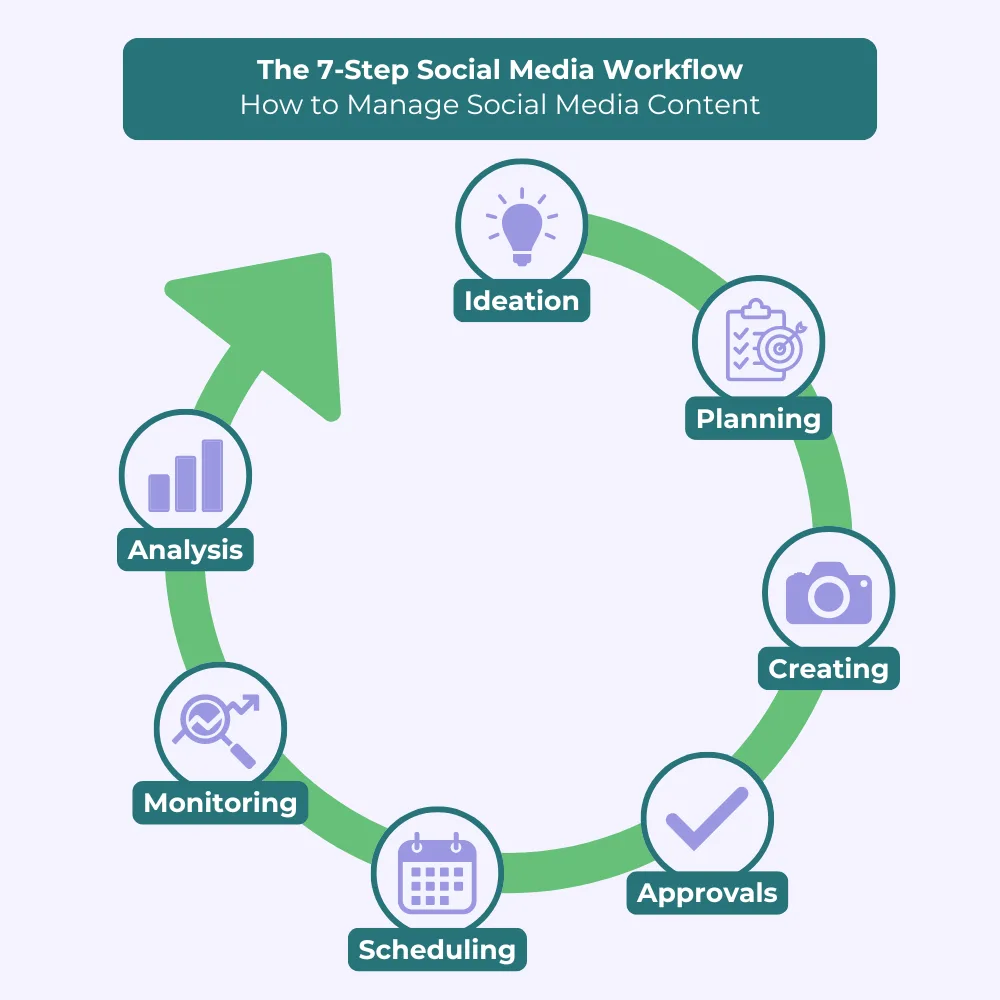
The Hidden Cost of Letting Clients Log In
Allowing direct client access creates problems that are not always immediately visible, but they compound quickly.
The most obvious issue is inconsistency. When clients make changes without context, it disrupts the flow of your workflow and creates unexpected outcomes.
There is also a coordination problem. Your team has to spend time figuring out what changed, who changed it, and whether it needs to be fixed.
From a responsibility standpoint, this creates confusion. You are accountable for results, but you no longer have full control over execution.
There is also a scaling issue. As you take on more clients, this pattern becomes harder to manage, turning into a recurring source of friction that slows down your entire operation.
The Real Problem: You Gave Access Instead of Structure
The core issue is not that clients are logging in, it is that your system allows them to interact with accounts in an unstructured way.
When access is shared directly, there is no distinction between viewing and acting. Clients are placed inside the same environment as your team, with the same capabilities, which makes interference almost inevitable.
What you need instead is a system where clients can see what is happening without being able to disrupt it.
The Complete Solution: Separate Visibility From Execution
The only way to stop clients from logging in and interfering is to redesign how they interact with your workflow.
The first step is removing the need for direct access. Clients should not need to log in to verify work. If they do, it means your system is not providing enough visibility.
The second step is creating structured visibility. Instead of giving access to accounts, you provide access to a system that shows what is happening, what has been completed, and what is scheduled.
The third step is controlling execution. Your team should operate within a consistent environment where actions are performed predictably, without external interference.
This is where most teams struggle, because creating this separation manually requires building dashboards, tracking systems, and controlled environments.
This is also where tools like Appilot become useful.
Instead of giving clients direct access to accounts, Appilot allows you to run workflows on real devices through a centralized system, while maintaining clear visibility into what is being executed. This means clients can see outcomes without needing to log in and interfere.
You could attempt to build a similar setup using custom tools or scripts, but maintaining both execution and visibility at scale becomes complex. Appilot simplifies this by handling the execution layer while allowing you to structure how visibility is shared.
The key shift is separating access from insight.
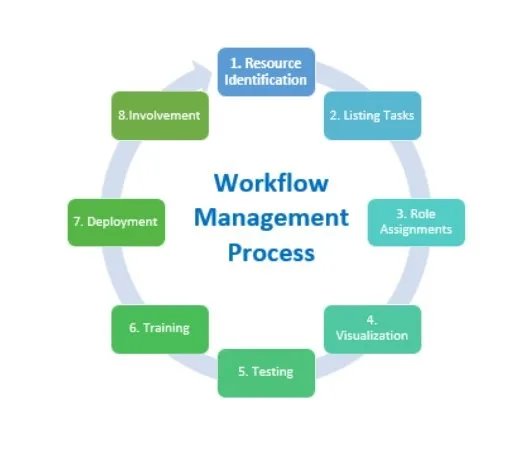
Why This Approach Builds More Trust, Not Less
It may feel counterintuitive, but removing direct access actually increases trust when done correctly.
Clients do not need control over execution, they need confidence in outcomes. When your system provides clear visibility and consistent results, their need to log in disappears.
Consistency builds reliability. When clients see that work is being done predictably, they stop checking manually.
Communication improves because it becomes structured and proactive rather than reactive.
Most importantly, you regain control over your workflow without damaging the client relationship.
How to Prevent This Behavior From Coming Back
Once you remove direct access, you need to maintain the structure so the behavior does not return.
You ensure that all interactions with accounts happen through your system, not through shared credentials.
You provide consistent visibility so clients always know what is happening without needing to check.
You set clear expectations early, defining how access works and what clients can expect in terms of updates and transparency.
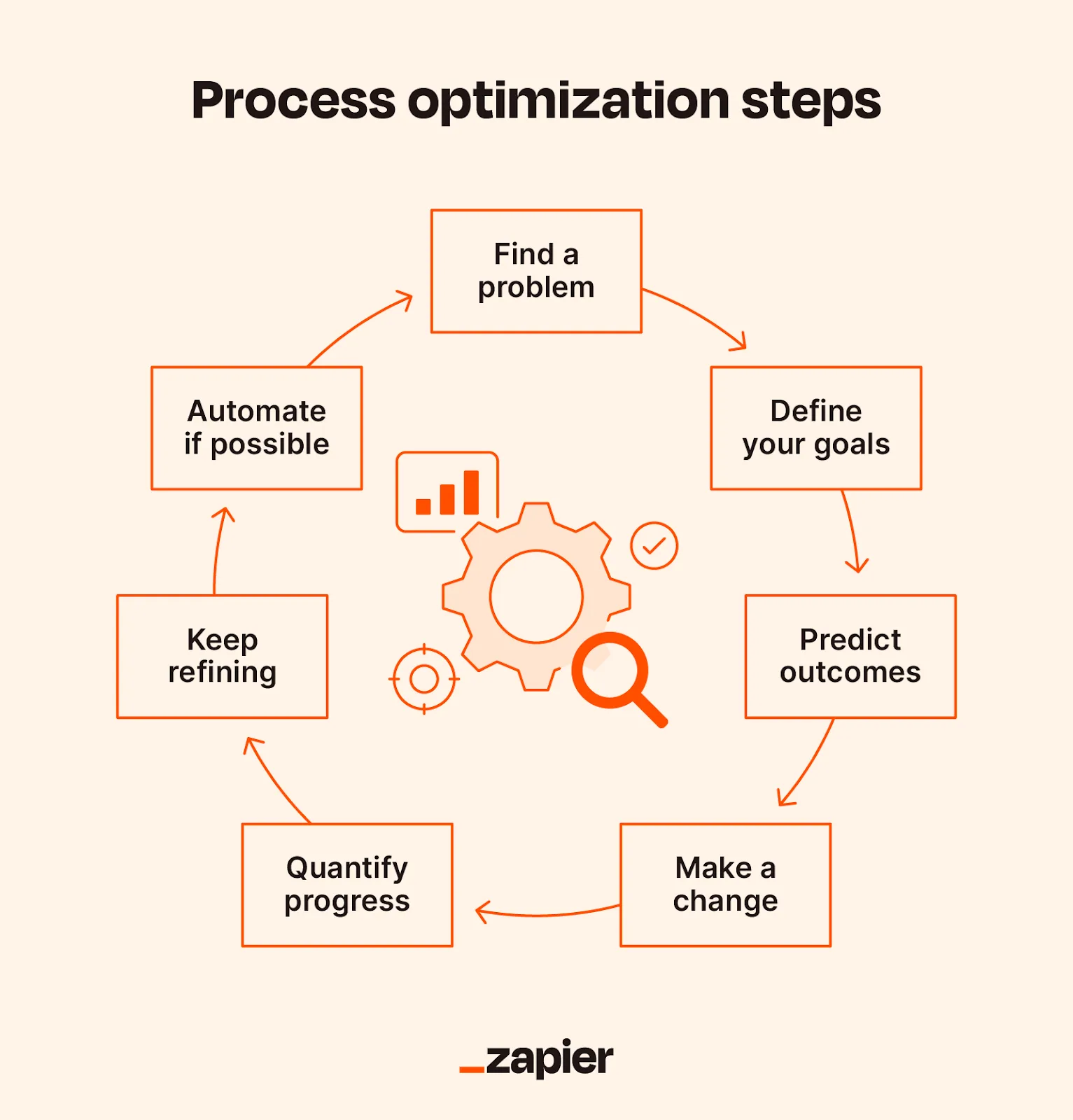
Common Mistakes That Make This Worse
One of the most common mistakes is trying to restrict access without providing visibility, which creates frustration and encourages clients to push back.
Another mistake is allowing partial access, where clients can still log in but are expected not to interfere, which rarely works in practice.
Some teams rely on inconsistent communication instead of structured visibility, which keeps the problem alive.
The most critical mistake is assuming that client behavior is the problem, when it is actually the system that enables it.
Conclusion: Clients Log In Because They Have To
If clients are logging into accounts themselves, it is not because they want to disrupt your workflow, it is because your system leaves them no better option.
Once you separate visibility from execution and provide a structured way for clients to stay informed, the need for direct access disappears.
You can continue managing this manually, but as your client base grows, the problem will grow with it.
At some point, you either build a system that controls access properly or use one that already does.
That is where platforms like Appilot fit in, not as a restriction tool, but as a way to create a controlled, visible, and scalable workflow that removes friction for both you and your clients.