How to Stop Feeling Like a Human Robot (And Get Your Time, Energy, and Focus Back)
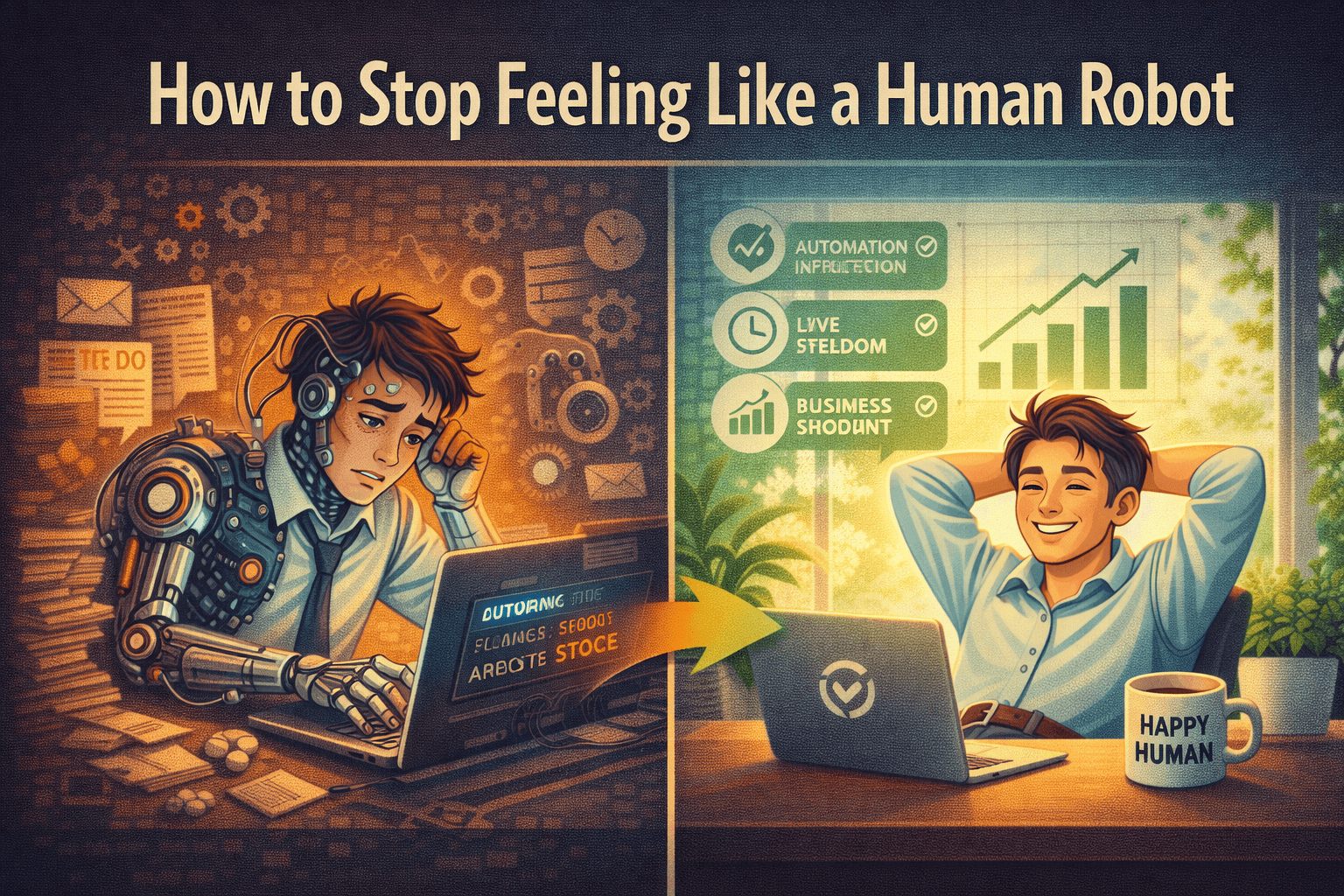
You go through your day completing tasks, clicking through workflows, checking accounts, responding to messages, updating systems, and moving from one action to the next, and while everything gets done, it starts to feel mechanical, repetitive, and strangely disconnected from any sense of progress or purpose.
You are busy, but not fulfilled, productive, but not energized, constantly moving, but not really thinking, and over time this creates a feeling that you are not fully in control of your work anymore, as if you are just executing what your system demands rather than actively shaping it.
The most frustrating part is that this is not because the work is meaningless, but because of how it is structured, where repetitive execution takes up most of your time, leaving very little space for creativity, strategy, or decision-making.
You might tell yourself that this is temporary, that once things stabilize you will focus on more important work, but that moment rarely comes, because the system keeps generating more tasks, more checks, and more actions that need to be completed.
You are not alone in this, and more importantly, this is not a mindset problem, it is a system problem, because when your workflow is built around constant execution, it naturally leads to this feeling.
The good news is that once you understand why your work feels robotic and how to restructure your system, you can shift from execution-heavy work to something that feels more engaging, controlled, and meaningful.
Why You Feel Like a Human Robot
This feeling is not random, it is a direct result of how your workflow is designed.
Your Work Is Mostly Repetitive Execution
When a large portion of your tasks involve repeating the same actions, your role becomes execution rather than decision-making.
No Separation Between Thinking and Doing
If you are constantly executing tasks, you do not have time to step back, think, or improve your system.
Systems Generate Work Instead of Reducing It
Instead of removing tasks, your current setup may be creating more tasks, requiring ongoing attention.
Lack of Control Over Workflow
When your day is dictated by tasks rather than decisions, it reduces your sense of ownership and engagement.
The Hidden Cost of This Feeling
Feeling like a human robot does not just affect your motivation, it impacts your ability to think strategically, make decisions, and grow your business.
You may feel disconnected from your work, less creative, and more reactive, which limits your potential.
More importantly, it keeps you stuck in a cycle where your time is consumed by tasks rather than used to create leverage.
The Complete Solution: Redesign Your Role in the System
The way out is not to work harder, but to change your role from executor to designer.
The first step is identifying repetitive tasks, the actions that do not require your unique input, because these are the ones that can be removed from your daily routine.
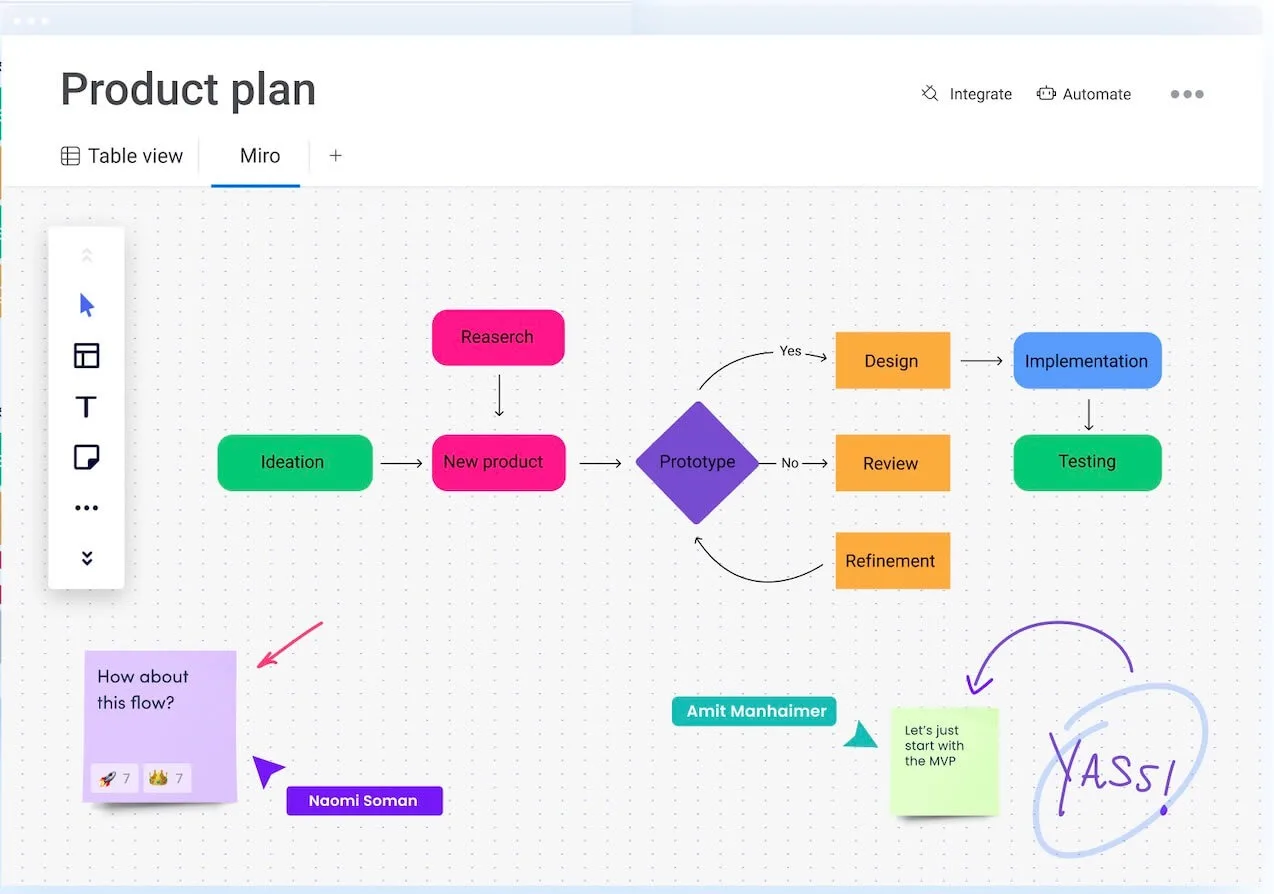
Once identified, the next step is standardizing these tasks, ensuring that they follow a clear and consistent process that can be replicated.
Automation becomes the execution layer, handling these tasks without requiring your involvement.
A practical way to implement this is by using a platform like Appilot, which allows you to automate workflows on real devices, reducing the need for manual execution.
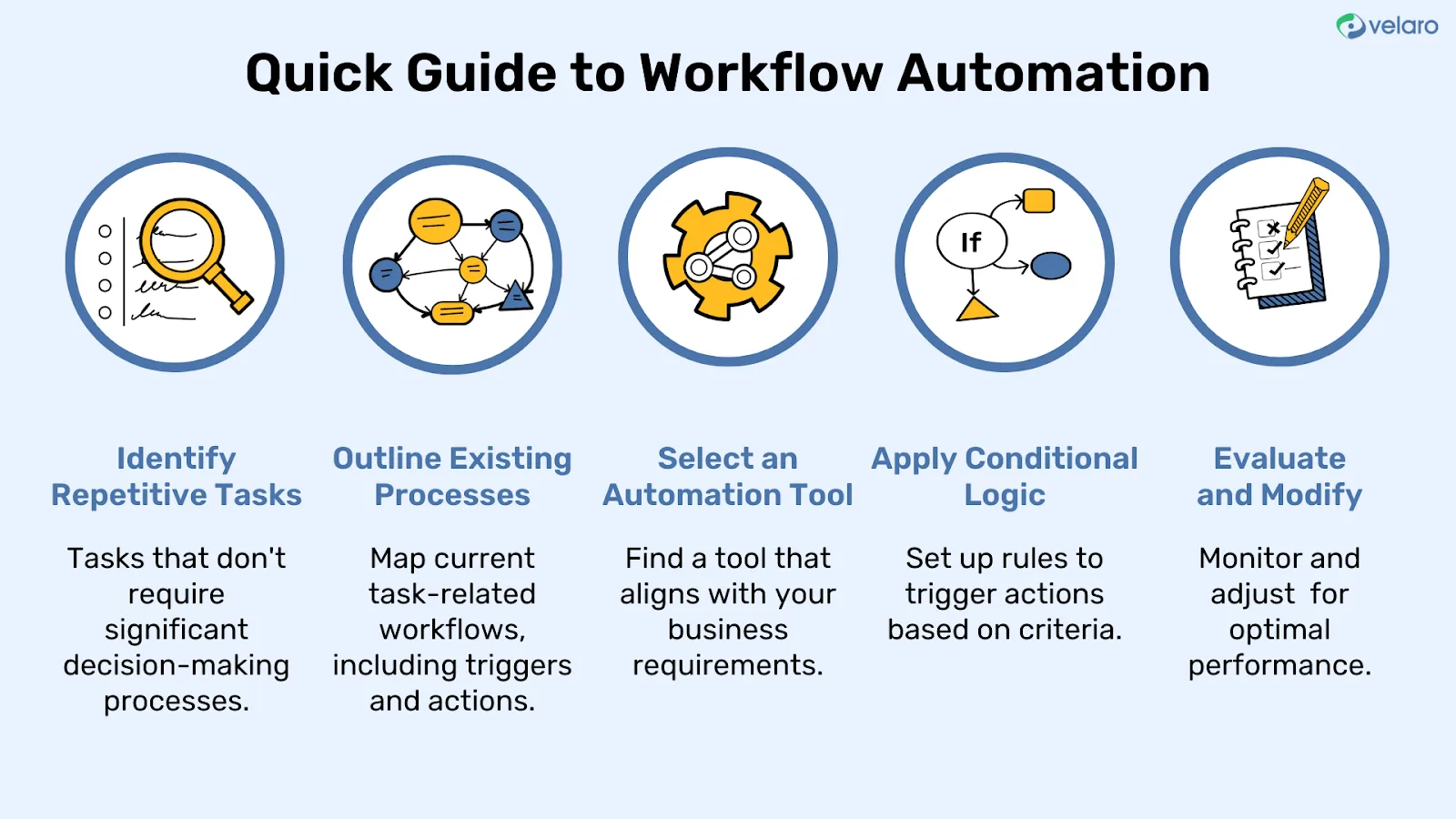
By removing repetitive tasks from your workflow, you create space for higher-level work, allowing you to focus on strategy, improvement, and growth.
The final step is restructuring your day, ensuring that your time is allocated to thinking and decision-making rather than constant execution.
How to Prevent Falling Back Into the Same Pattern
Prevention starts with maintaining a system-first mindset, ensuring that new tasks are evaluated for automation before becoming part of your routine.
Regular reviews help you identify areas where manual work is creeping back in, allowing you to address it early.
Automation ensures that repetitive tasks remain efficient and do not re-enter your workflow.
Common Mistakes That Keep You Stuck
One of the most common mistakes is accepting repetitive work as unavoidable, rather than questioning whether it can be automated.
Another is delaying system building, which keeps you tied to manual execution.
There is also a tendency to overcomplicate automation, making it harder to implement.
Real Success Stories: Before and After
A user who felt stuck in repetitive tasks found that their days were dominated by execution rather than decision-making.
After implementing automation using Appilot, they were able to reduce manual work and focus on higher-level activities.
Another example involved a team that struggled with repetitive workflows, but after restructuring their system, they achieved greater efficiency and engagement.
Frequently Asked Questions
One common question is whether it is possible to eliminate repetitive work entirely, and while not all tasks can be removed, a significant portion can be automated.
Another question is how long it takes to transition, and while it requires effort, the benefits are immediate once systems are in place.
There is also the concern about complexity, and well-designed systems simplify work rather than complicate it.
Conclusion: Take Back Control of Your Work
If you feel like a human robot, it is not because you lack motivation, but because your system is designed around execution rather than leverage.
Once you redesign your workflow and remove repetitive tasks, your work becomes more engaging, meaningful, and aligned with your goals.
If you are dealing with this right now, the best step forward is not to push through the monotony, but to change your system, because once you do, you will regain control over how you work and what you focus on.