How to Stop Spending All Day “Checking” Automation (And Finally Trust Your System)
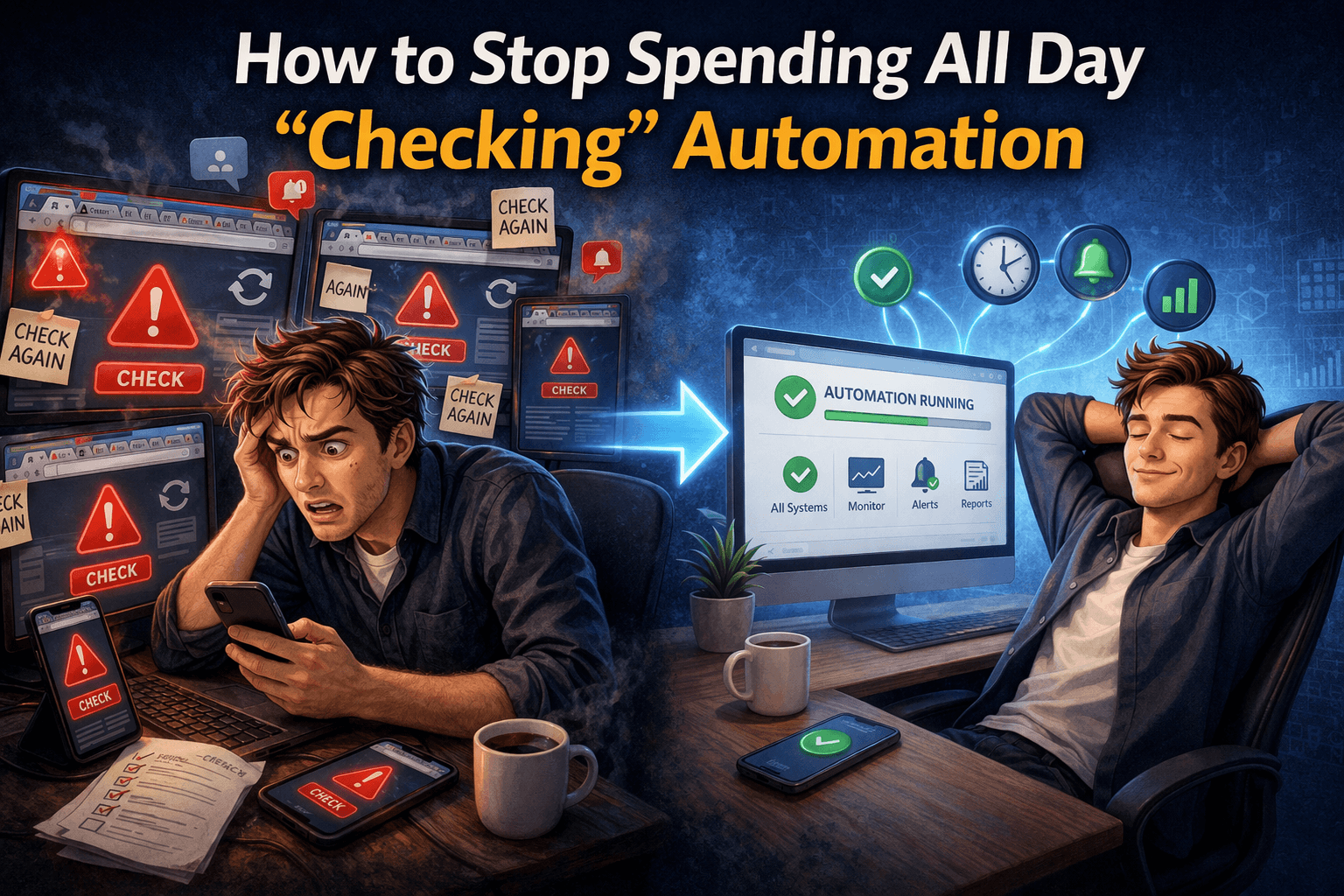
You set up your automation with the intention of saving time, reducing manual work, and creating a system that runs in the background while you focus on higher-level tasks, but instead of freeing you, it pulls you in even more, because you find yourself checking it constantly, refreshing dashboards, reopening profiles, reviewing logs, and verifying whether everything is still running as expected.
At first it feels responsible, like you are simply making sure things are working properly, but over time it becomes a habit that consumes your day, where every few minutes you feel the need to check again, just in case something broke, stopped, or behaved unexpectedly.
You tell yourself that once the system stabilizes you will stop checking so often, but that moment never fully arrives, because even when things are working, there is always a lingering doubt that something might go wrong, and that uncertainty keeps pulling your attention back.
What makes this particularly frustrating is that automation was supposed to reduce your workload, yet now you are spending hours monitoring it, which defeats the entire purpose and leaves you feeling stuck between manual work and unreliable systems.
You are not alone in this, and more importantly, this is not a discipline problem, it is a system design problem, because the reason you keep checking your automation is not because you want to, but because your system has not earned your trust.
The good news is that once you understand why this happens and how to redesign your workflows, you can build a system that runs reliably without constant supervision.
Why You Keep Checking Your Automation
Most people think the problem is habit or lack of discipline, but the real issue is uncertainty created by unreliable systems.
Your System Is Not Fully Predictable
When automation behaves inconsistently, even occasionally, it creates doubt, and once that doubt exists, you feel the need to verify constantly.
Lack of Visibility Creates Anxiety
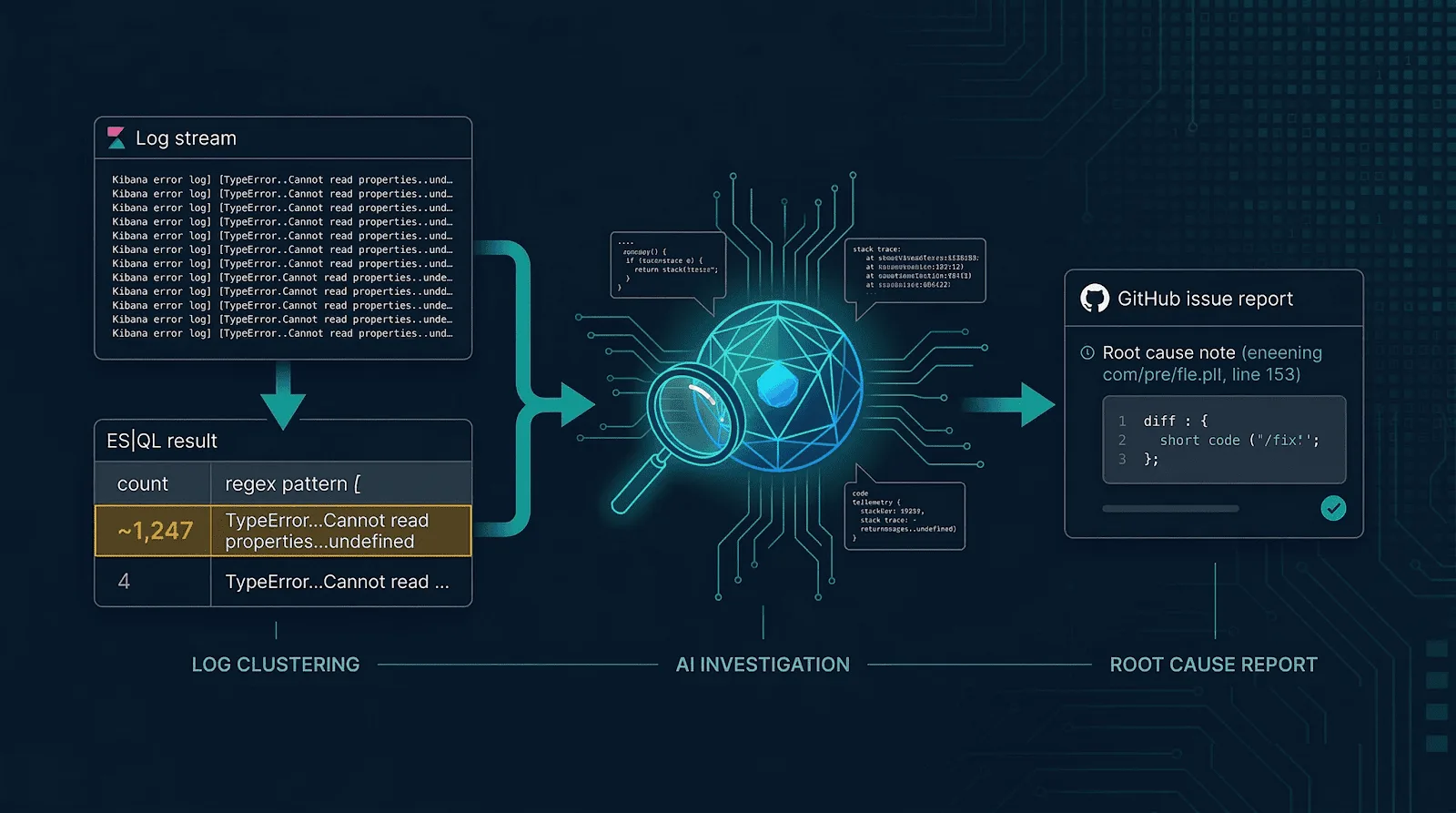
If you cannot clearly see what your automation is doing or whether it is succeeding, you default to manual checking as a way to compensate for that lack of visibility.
No Clear Failure Signals
When failures are silent or unclear, you feel the need to actively monitor your system to catch issues early, because there is no reliable way to know when something goes wrong.
Past Failures Shape Behavior
If your automation has failed before, even once, it creates a pattern where you expect it to fail again, reinforcing the habit of constant checking.
The Hidden Cost of Constant Checking
Constantly checking your automation might seem like a safety measure, but it actually reduces productivity and increases mental load.
You lose focus, interrupt your workflow, and spend time verifying instead of creating or scaling, which limits your ability to grow.
More importantly, it keeps you tied to your system, preventing you from stepping away or trusting that things will run without your involvement.
The Complete Solution: How to Build Automation You Don’t Have to Watch
Fixing this problem requires shifting from reactive monitoring to proactive system design, where your automation communicates clearly and handles most issues on its own.
The first step is to create clear success and failure signals, ensuring that your system explicitly indicates when tasks are completed successfully and when something goes wrong.
Instead of checking constantly, you should only need to respond when notified.
The next step is implementing monitoring and alerting systems that track key metrics and notify you only when something requires attention, eliminating the need for manual verification.
However, even with monitoring, the reliability of your automation depends on how it is executed, because unstable environments create more failures and more uncertainty.
This is where using a more stable execution layer becomes important, and platforms like Appilot help by running automation on real devices, reducing inconsistencies and making workflows more predictable.
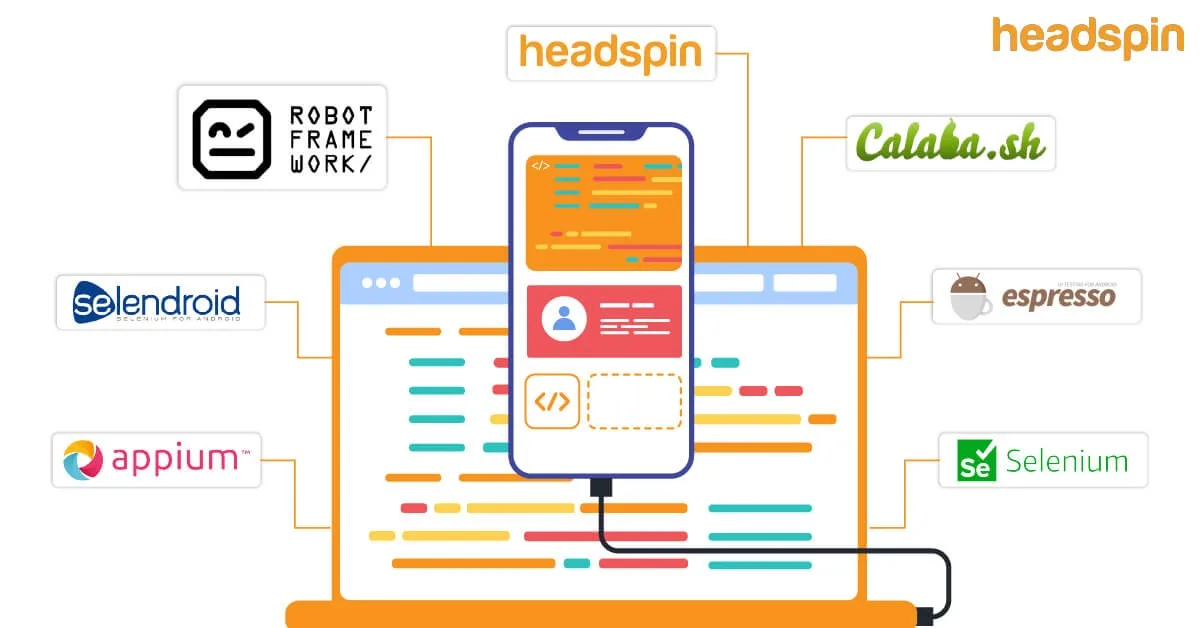
By combining reliable execution with clear monitoring, you create a system where you do not need to check constantly, because you trust that it will either run correctly or notify you when it does not.
The final step is gradually reducing your checking frequency, allowing the system to prove its reliability over time and rebuilding your trust in its performance.
How to Prevent This Habit From Returning
Prevention starts with maintaining visibility and control without constant involvement, ensuring that your system provides clear feedback and alerts when necessary.
Regular reviews help you confirm that everything is working as expected without needing to monitor continuously.
Automation should support your workflow, not dominate it, which means designing it in a way that minimizes the need for manual oversight.
Common Mistakes That Keep You Stuck
One of the most common mistakes is relying on manual checking instead of building proper monitoring systems, which reinforces the habit rather than solving the problem.
Another is ignoring small inconsistencies, which can grow into larger issues and increase uncertainty.
There is also a tendency to overcomplicate monitoring, creating dashboards that are difficult to interpret and do not provide clear insights.
Real Success Stories: Before and After
A user managing multiple automation workflows found themselves checking their system constantly throughout the day, unable to focus on other tasks due to uncertainty.
After implementing structured monitoring and transitioning to a more stable setup using Appilot, they were able to reduce manual checking significantly and trust their system to run independently.
Another example involved a team that struggled with constant oversight, but after redesigning their workflows, they achieved greater efficiency and reduced mental load.
Frequently Asked Questions
One common question is how often automation should be checked, and ideally, only when there is a reason to do so, such as a notification or scheduled review.
Another question is whether monitoring systems are difficult to set up, and while they require some initial effort, they significantly reduce workload in the long run.
There is also the concern about missing issues, and in reality, proper alerts make it more likely that you will catch problems quickly compared to manual checking.
Conclusion: Let Your Automation Work for You
If you are spending all day checking your automation, it is not because you lack discipline, but because your system has not been designed to operate independently.
Once you create clear signals, reliable execution, and effective monitoring, the need for constant checking disappears, and your automation becomes what it was meant to be, a system that works for you, not something you have to watch all day.
If you are dealing with this right now, the best step forward is not to try to check less, but to build a system that makes checking unnecessary, because once you do, you will finally get your time back.