How to Stop Team Conflicts Over Account Access (And Fix It Permanently)
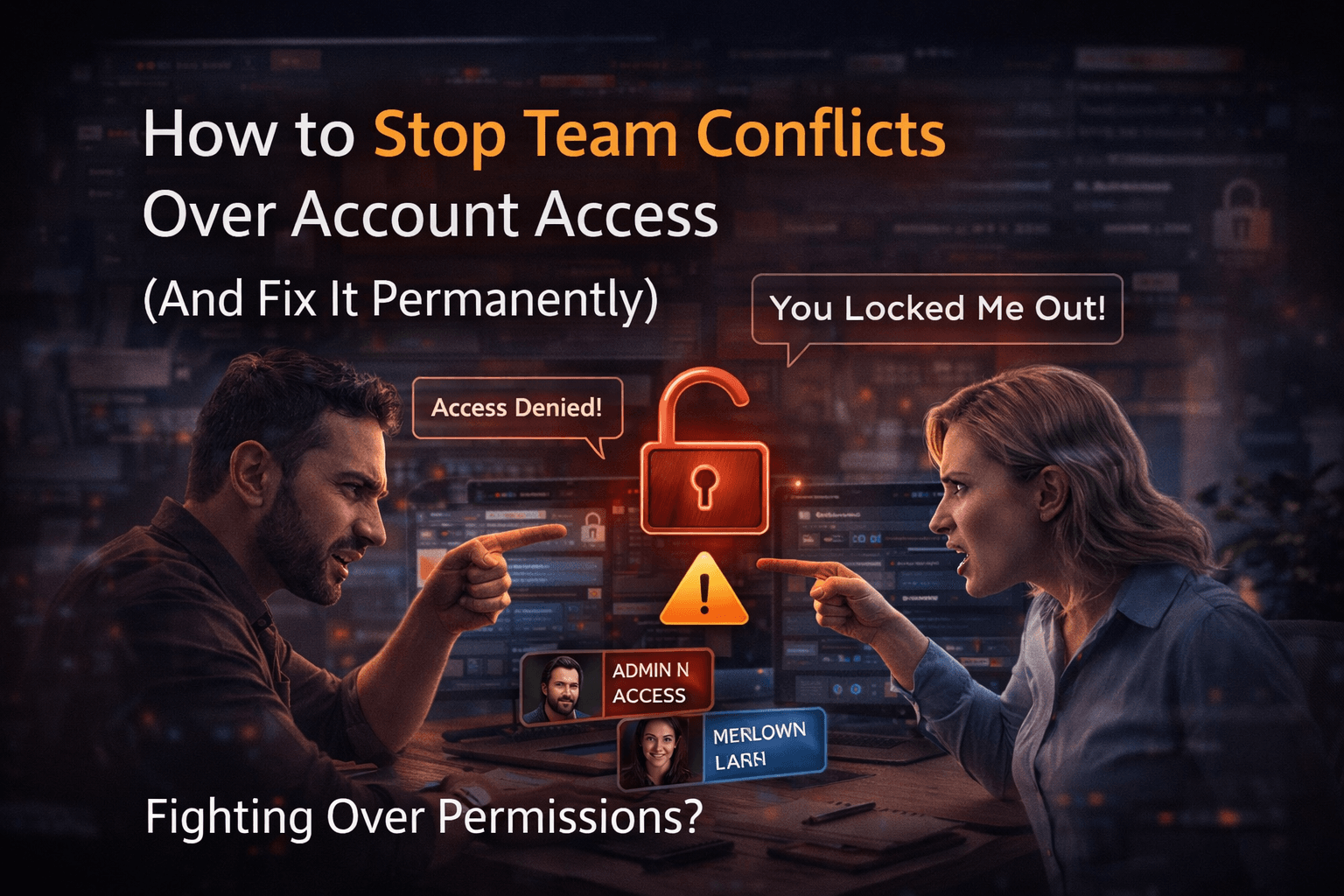
Everyone Needs Access… Until Everything Starts Breaking
At the beginning, sharing access feels like the fastest way to move forward. Someone needs to post, check messages, run a workflow, or update settings, so you send the login details and move on without thinking twice about it.
Then the friction begins to build, slowly at first and then all at once. Someone gets logged out in the middle of work, another team member cannot log in at all, a password suddenly stops working, and nobody knows whether it was changed intentionally or by the platform itself. Work overlaps, actions conflict, and simple tasks start requiring coordination just to begin.
What makes this especially frustrating is that it feels like a people problem. It looks like miscommunication, lack of discipline, or poor coordination, but even when you try to fix those things, the problem keeps coming back in slightly different forms.
This is where most teams get stuck. They try to manage the chaos instead of realizing that the system itself is creating it.
Why Team Conflicts Over Account Access Keep Happening
The root of the issue is not your team, it is the way access is structured.
Most platforms are designed around a single-user model, which means when multiple people try to use the same account from different devices, locations, or environments, the system interprets this as suspicious behavior. This leads to forced logouts, verification challenges, and sometimes temporary restrictions, even when everything being done is legitimate.
Another layer of the problem comes from how credentials are shared. When passwords are passed through chats, documents, or different tools, there is no single source of truth. One person updates something, another continues using the old version, and suddenly access becomes inconsistent across the team.
There is also a visibility gap. When multiple people operate inside the same account, actions are merged into a single activity stream, which makes it impossible to clearly track who did what. This creates confusion, duplicated work, and unnecessary back-and-forth.
Finally, different environments amplify the issue. Each team member operates from a different setup, which changes how the platform perceives behavior, increasing the likelihood of conflicts even when everyone is following the same process.
The Hidden Cost of Access Conflicts
What looks like a small operational issue quickly turns into a major bottleneck as your team grows.
Every time someone loses access, work stops. Even short interruptions compound into hours of lost productivity over time, especially when multiple people depend on the same accounts.
Coordination overhead increases as well. Team members spend time asking for access, confirming credentials, and resolving conflicts instead of actually doing the work. This creates a constant layer of friction that slows everything down.
There is also a security risk. When credentials are scattered across multiple channels, it becomes difficult to control who has access and when, which increases exposure and reduces accountability.
Most importantly, this problem does not stay the same size. As your team grows, it scales with you, turning into a recurring operational issue that limits your ability to expand efficiently.
The Complete Solution: Stop Sharing Access and Start Structuring It
The only way to eliminate these conflicts permanently is to remove shared credentials from your workflow and replace them with structured access.
The first step is stabilization, where you reduce simultaneous logins and bring access under control so the platform stops reacting to inconsistent behavior.
The second step is mapping how access currently works, identifying where credentials are stored, how they are shared, and where inconsistencies exist.
The real shift happens when you introduce a controlled access layer. Instead of each team member logging in separately, you create a system where accounts are accessed through a consistent environment that maintains stable sessions and predictable behavior.
This is where most teams struggle, because building this manually requires managing devices, sessions, and execution environments, which quickly becomes complex.
This is also where tools like Appilot come in.
Instead of relying on multiple independent logins, Appilot allows your team to run workflows on real devices through a centralized system, which means the platform sees consistent behavior instead of fragmented activity from different users.
You could build a similar setup using tools like Appium, but that requires maintaining infrastructure yourself. Appilot removes that burden, making it easier to standardize access without adding technical complexity.
The key is not just the tool, but the shift from shared credentials to structured execution.
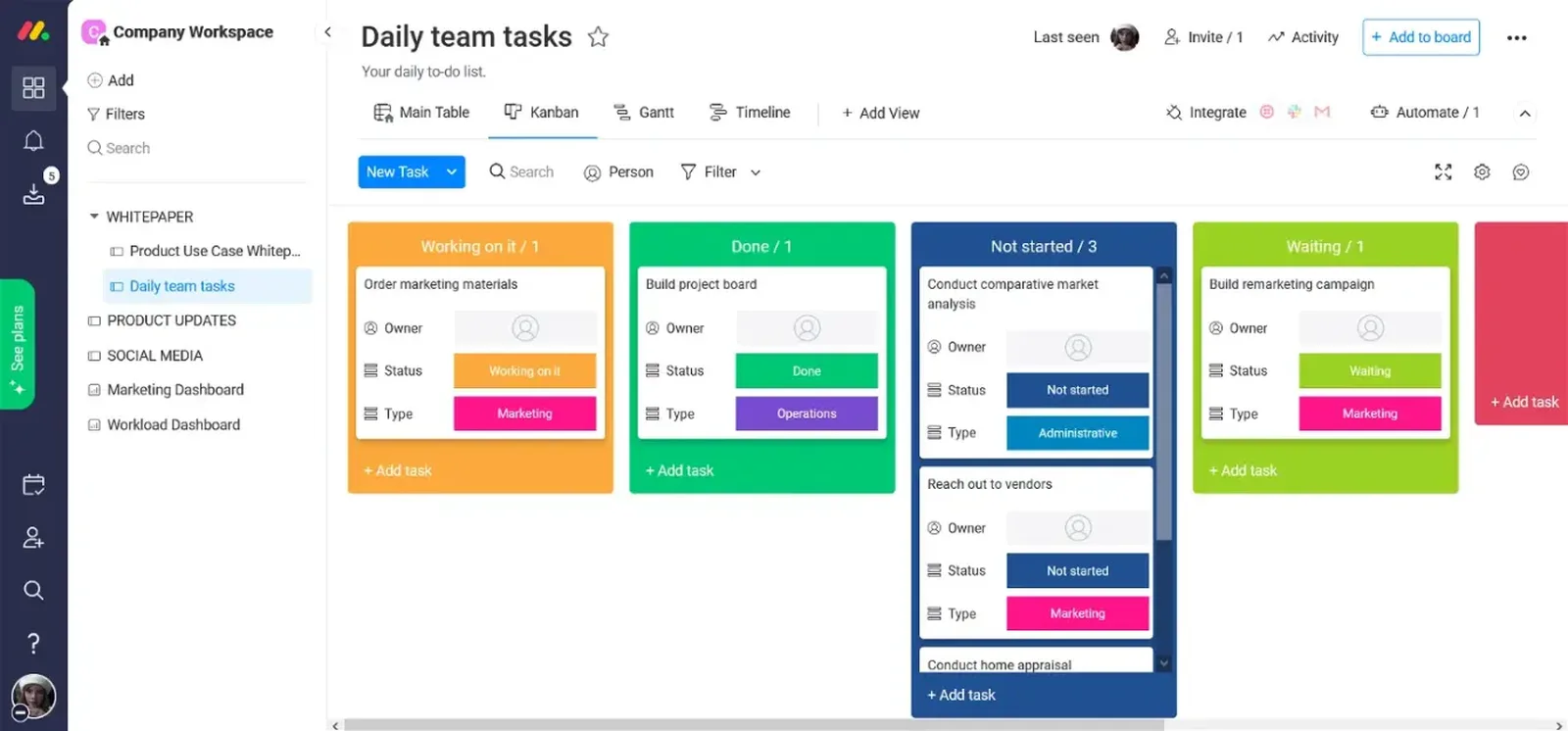
Why Structured Access Eliminates Conflict
Once access is structured, the system behaves completely differently.
Instead of multiple users creating conflicting signals, all activity flows through a consistent layer, which eliminates forced logouts and reduces verification triggers.
Coordination becomes simpler because team members no longer need to exchange passwords or confirm access. They interact with the system, and the system handles authentication.
Visibility improves because actions can be tracked within a controlled environment, making it easier to understand what is happening and reduce confusion.
Most importantly, the system scales. Adding new team members does not introduce new chaos, because they are operating within an already stable structure.
How to Prevent Access Conflicts From Coming Back
Fixing the problem once is not enough. You need to maintain the structure as your team evolves.
Consistency in tools and environments is critical. If team members start accessing accounts outside the system, the same issues will return.
Monitoring helps detect unusual patterns early, allowing you to fix potential problems before they turn into conflicts.
Access permissions should be reviewed regularly to ensure that responsibilities are clearly defined and do not overlap unnecessarily.
Common Mistakes That Make This Worse
One of the biggest mistakes is continuing to share passwords informally, which increases fragmentation and makes access harder to control.
Another mistake is allowing unrestricted logins from different devices and locations, which creates inconsistent behavior that platforms often flag.
Some teams overcomplicate the solution by adding multiple tools without addressing the core issue of consistency.
The most damaging mistake is assuming that this problem is normal, when in reality it is a direct result of how access is structured.
Conclusion: This Problem Is Structural, Not Personal
Team conflicts over account access are not caused by people, they are caused by systems that were never designed for shared usage.
Once you replace shared credentials with structured access, the conflicts disappear because the conditions that create them no longer exist.
You can try to manage this manually, but as your team grows, the complexity will grow with it.
At some point, you either build a system to handle it or use one that already does.
That is where platforms like Appilot fit in, not as a shortcut, but as a way to create a stable, scalable foundation that allows your team to operate without constant friction.