How to Stop Wasting $500/Month on Unnecessary Proxies (And Still Stay Stable)

You Started Using Proxies for Safety… Now They’re Just Expensive
At first, proxies feel like a necessary investment. You hear that multiple accounts need separate IPs, that platforms flag suspicious activity, and that proxies are the safest way to scale.
So you set them up. One proxy per account, maybe even rotating proxies, maybe multiple providers to “stay safe.” It feels like the responsible thing to do.
Then the bills start adding up.
What seemed like a small monthly expense quietly grows into hundreds of dollars. And when you look closely, you realize something uncomfortable, many of those proxies are barely being used, and some are not needed at all.
You are paying for protection, but not necessarily solving the real problem.
Why Proxy Costs Spiral Out of Control
The issue is not proxies themselves, but how they are used within your system.
The first cause is over-allocation. Many teams assign one proxy per account without considering whether that level of isolation is actually required.
The second cause is misunderstanding platform behavior. It is often assumed that IP alone determines account stability, when in reality platforms look at a combination of signals, including device consistency, session behavior, and activity patterns.
The third cause is redundancy. Multiple proxy providers or backup proxies are added “just in case,” but they remain unused while still being billed.
The fourth cause is lack of visibility. Without tracking usage, it becomes difficult to know which proxies are actually needed and which are wasting money.
The Hidden Cost of Overusing Proxies
The financial cost is obvious, but the operational cost is often overlooked.
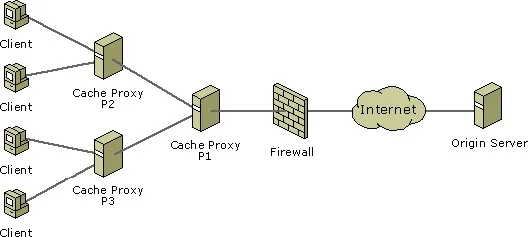
Managing proxies adds complexity to your workflow. You need to configure them, monitor them, rotate them, and troubleshoot issues when they fail.
There is also a stability issue. Poor-quality proxies or inconsistent setups can actually increase the risk of flags instead of reducing it.
From a scaling perspective, proxy costs grow linearly with your accounts, which means your expenses increase directly with your growth.
The biggest issue is that proxies often become a substitute for solving the real problem, which is inconsistent execution.
The Real Problem: You’re Solving IP Issues Instead of System Issues
The core mistake is assuming that IP management is the primary factor in account stability.
In reality, platforms evaluate behavior holistically. Device consistency, session continuity, timing patterns, and execution environments all play a major role.
If your execution is inconsistent, proxies cannot fix that. They may even make it worse by introducing additional variability.
What you need is not more proxies, but more consistency in how your workflows operate.
The Complete Solution: Replace Proxy Dependence with Structured Execution
The only way to reduce proxy costs significantly is to address the root cause instead of masking it.
The first step is auditing your proxy usage. You identify which proxies are actively used and which are redundant or unnecessary.
The second step is reducing over-allocation. Instead of assigning one proxy per account by default, you evaluate where proxies are actually needed.
The third step is stabilizing execution environments. When workflows run consistently, the need for proxies decreases because behavior becomes predictable.
This is where many teams struggle, because maintaining consistent environments across multiple accounts requires coordination and infrastructure.
This is also where tools like Appilot become relevant.
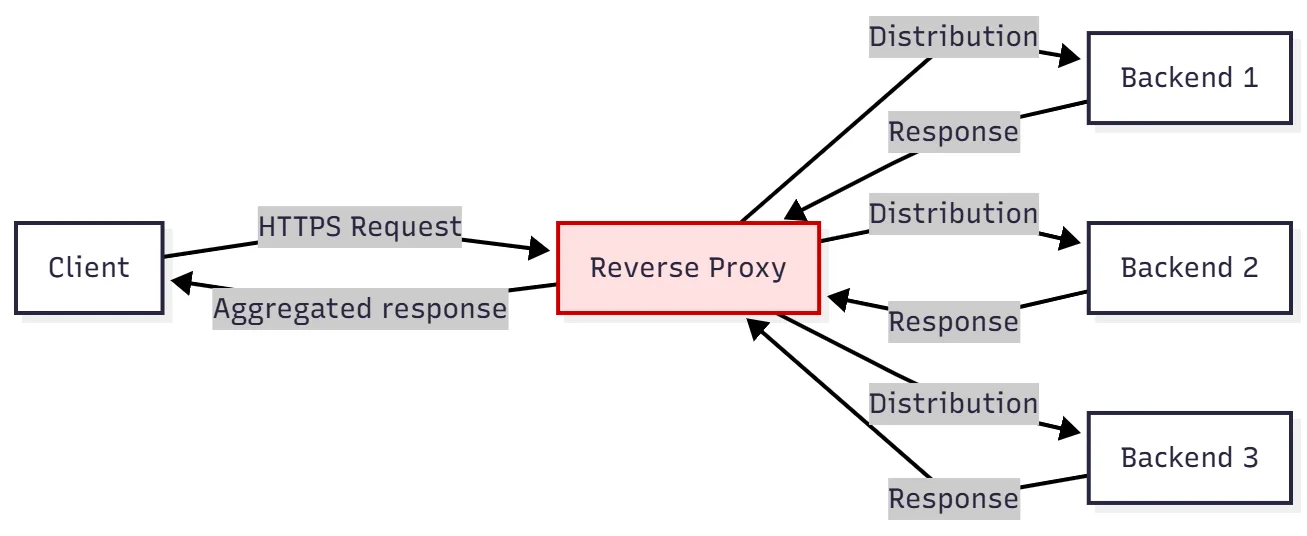
Instead of relying heavily on proxies, Appilot allows workflows to run on real devices within a controlled environment, which provides natural consistency in behavior. This reduces the need for excessive proxy usage because the system itself becomes stable.
You could attempt to optimize proxy usage manually by adjusting configurations and monitoring behavior, but maintaining that balance becomes complex as you scale. Appilot simplifies this by focusing on consistent execution rather than heavy proxy dependence.
The key shift is moving from IP-based control to system-based stability.
How You Actually Cut $500/Month in Proxy Costs
Once your system is structured, cost reduction becomes straightforward.
You eliminate unused proxies that were added as backups or “just in case.”
You reduce the number of proxies per account by relying on consistent execution instead of isolation.
You remove low-quality proxies that introduce instability instead of improving it.
You avoid adding new proxies unnecessarily because your workflows are already stable.
The result is not just lower cost, but a simpler and more reliable system.
Why Less Proxy Dependence Improves Stability
Reducing proxies does not weaken your system, it often improves it.
Your workflows become more predictable because they are not affected by constantly changing IP environments.
Your setup becomes easier to manage, reducing the time spent on configuration and troubleshooting.
Your costs become aligned with actual needs instead of assumptions.
Most importantly, your system becomes scalable without proportional cost increases.
How to Prevent Proxy Costs from Growing Again
Cutting costs once is not enough. You need to maintain discipline as your system evolves.
You ensure that proxies are only added when there is a clear and measurable need.
You monitor usage regularly to identify waste early.
You continue improving execution consistency so that proxy dependence remains low.
Common Mistakes That Make This Worse
One of the most common mistakes is assuming that more proxies automatically mean more safety.
Another mistake is not tracking proxy usage, which allows unused resources to accumulate.
Some teams rely on proxies to compensate for inconsistent workflows, which increases cost without improving stability.
The most critical mistake is treating proxies as a long-term solution instead of addressing the underlying system.
Conclusion: Proxies Aren’t the Problem, Overdependence Is
If you are spending hundreds of dollars on proxies, it is not because proxies are inherently expensive, it is because your system is relying on them more than necessary.
Once you stabilize your workflows, reduce redundancy, and focus on consistent execution, proxy costs drop naturally while stability improves.
You can continue scaling with heavy proxy usage, but your costs will scale with it.
At some point, you either build a system that reduces proxy dependence or keep paying for it indefinitely.
That is where platforms like Appilot fit in, not as a replacement for proxies, but as a way to reduce the need for them by creating a stable, controlled execution environment that scales without unnecessary cost.