How to Track ROI When Managing 100+ Accounts (Without Losing Clarity)

You’re Doing the Work… But Can’t Prove the Results Clearly
When you are managing a handful of accounts, tracking ROI feels straightforward. You can connect actions to outcomes, understand performance, and explain results without much friction. But as the number of accounts grows, something starts to break.
You are still executing, still delivering, still seeing activity, but when it comes time to measure ROI, everything feels fragmented. Data is scattered across platforms, results are inconsistent, and connecting effort to outcome becomes increasingly difficult.
You open multiple dashboards, compare numbers, and try to piece together a clear picture, but instead of clarity, you get approximation. You know value is being created, but you cannot present it in a way that feels precise or convincing.
This is where confidence starts to drop, both internally and externally. You begin to question your own reporting, and clients start asking deeper questions that are harder to answer.
This is not because ROI disappears at scale. It is because your system for tracking it does not scale with your operations.
Why ROI Becomes Hard to Track at Scale
The challenge is not the number of accounts itself, but how data and execution are structured.
The first issue is fragmentation. Each account may use different platforms, tools, and metrics, which makes it difficult to create a unified view of performance.
The second issue is inconsistent tracking. When workflows vary across accounts, data is captured differently, which creates gaps and inconsistencies in reporting.
The third issue is lack of standardization. Without a consistent framework for measuring ROI, each account ends up being evaluated differently, making comparisons difficult.
The fourth issue is attribution complexity. As campaigns and activities overlap, it becomes harder to determine which actions are responsible for specific outcomes.
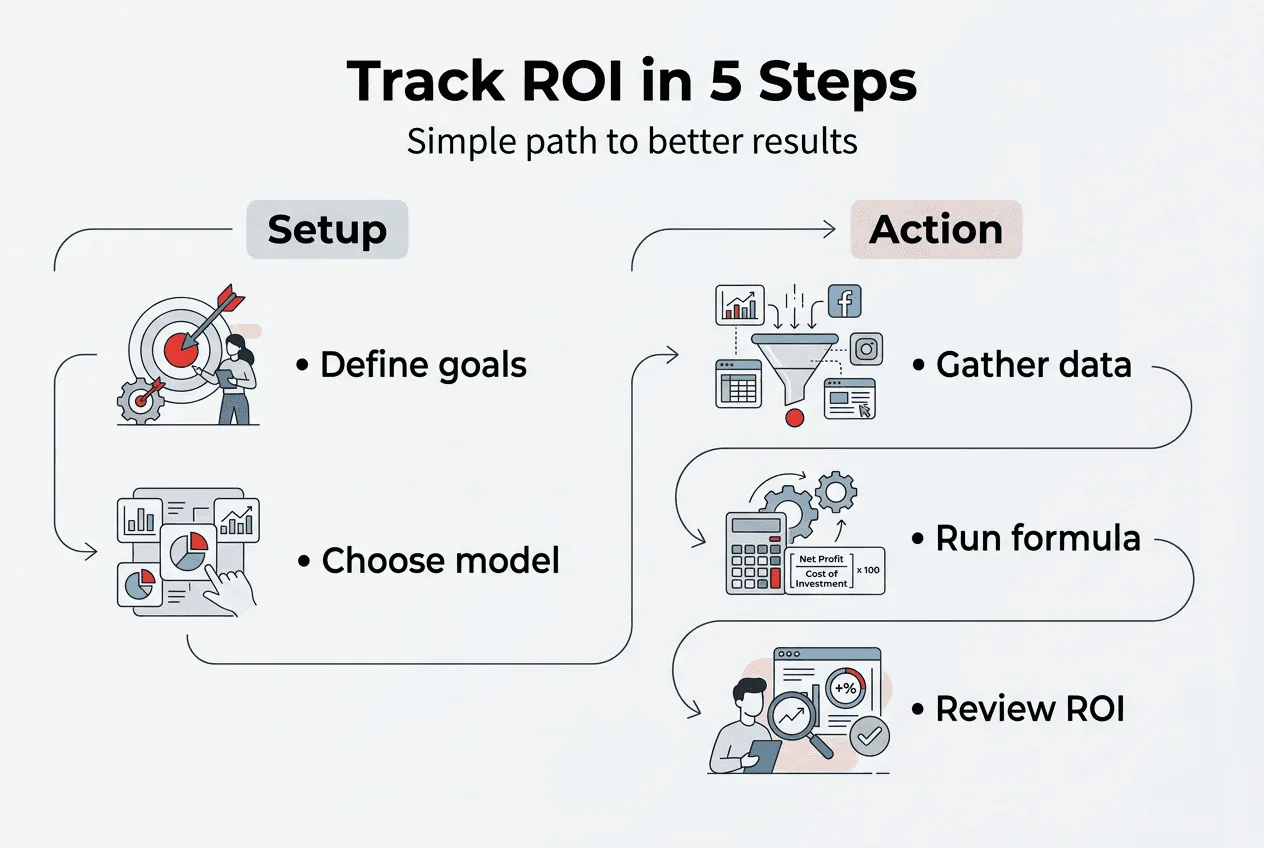
The Hidden Cost of Unclear ROI
When ROI is unclear, the impact goes far beyond reporting.
Decision-making becomes weaker because you are working with incomplete or inconsistent data. This makes it harder to optimize performance or allocate resources effectively.
Client communication becomes more difficult as well. Even if results are strong, the inability to clearly demonstrate ROI reduces confidence and makes retention harder.
There is also a time cost. Instead of focusing on improving outcomes, you spend time reconciling data and building reports that should be straightforward.
The biggest issue is scalability. If you cannot clearly track ROI across many accounts, your growth becomes limited because complexity increases faster than clarity.
The Real Problem: Your System Doesn’t Scale With Your Accounts
The core issue is not the volume of accounts, but the lack of a system that standardizes how ROI is tracked.
When each account operates independently, with its own workflows and tracking methods, you lose the ability to create a consistent view of performance.
This forces you into manual aggregation, where you try to combine data from different sources, which is both time-consuming and error-prone.
What you need is not more data, but a system that makes data consistent and comparable.
The Complete Solution: Standardize Execution and Measurement
The only way to track ROI effectively at scale is to standardize both how work is executed and how results are measured.
The first step is stabilizing execution. Tasks should be performed in a consistent way across accounts so that data is generated under similar conditions.
The second step is defining a unified ROI framework. Instead of using different metrics for each account, you establish a consistent set of indicators that apply across your entire portfolio.
The third step is centralizing tracking. Data should flow into a structured system where it can be compared and analyzed consistently.
This is where most teams struggle, because maintaining consistent execution across 100+ accounts requires controlled environments and reliable workflows.
This is also where tools like Appilot become relevant.
Instead of running workflows across scattered setups, Appilot allows you to execute actions on real devices through a centralized system, which helps ensure that data is generated consistently across accounts. This makes it easier to align tracking and reduce discrepancies.
You could attempt to standardize this manually using multiple tools and processes, but maintaining consistency at scale becomes difficult. Appilot simplifies this by handling the execution layer, allowing you to focus on measurement and optimization.
The key shift is moving from fragmented tracking to standardized systems.
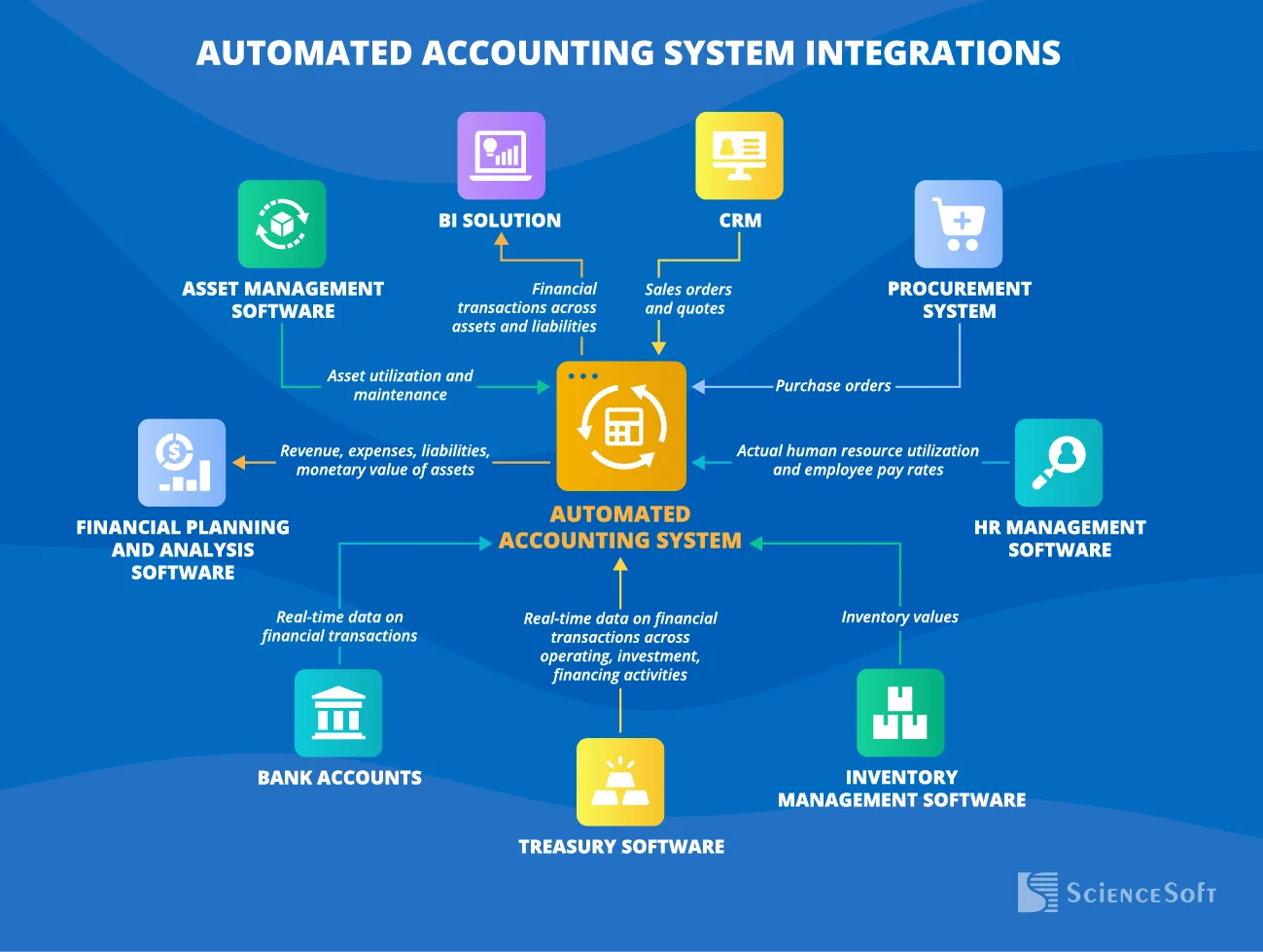
Why Standardization Makes ROI Clear
Once execution and tracking are standardized, clarity improves immediately.
Data becomes comparable because it is generated under similar conditions. This allows you to identify patterns and insights that were previously hidden.
Reporting becomes simpler because you are no longer reconciling different systems, but working from a unified structure.
Decision-making improves because you have reliable data that reflects actual performance.
Most importantly, ROI becomes visible again, even at scale.
How to Maintain Clarity as You Grow
Tracking ROI at scale is not a one-time setup, it requires maintaining structure as your operations expand.
You ensure that all new accounts follow the same execution and tracking framework, avoiding the introduction of variability.
You monitor data consistency regularly, identifying and fixing gaps before they affect reporting.
You refine your system over time, ensuring that it evolves alongside your growth.
Common Mistakes That Make This Worse
One of the most common mistakes is trying to manage each account independently, which increases fragmentation and reduces comparability.
Another mistake is relying on inconsistent metrics, which makes it difficult to create a unified view of performance.
Some teams attempt to fix the issue by adding more tools, which often increases complexity instead of reducing it.
The most critical mistake is assuming that ROI becomes harder to track because of scale, when it is actually a result of missing structure.
Conclusion: ROI Doesn’t Disappear, Structure Does
If tracking ROI becomes difficult as you scale, it is not because results are unclear, it is because your system is not designed to handle complexity.
Once you standardize execution, unify your metrics, and centralize your tracking, clarity returns because your data becomes consistent and reliable.
You can continue trying to manage this manually, but as your number of accounts grows, the complexity will grow with it.
At some point, you either build a system that makes ROI visible at scale or use one that already does.
That is where platforms like Appilot fit in, not as an analytics tool, but as a way to create a consistent execution environment that makes your tracking more reliable and your ROI easier to understand.