Legal: Scared of Multi-Account Management? Here’s the Compliance Guide

Managing multiple accounts can feel like walking a thin line, because on one side there is efficiency, scale, and opportunity, and on the other side there is uncertainty, platform rules, legal exposure, and the constant concern that something might go wrong without you fully realizing it.
At first, it might seem simple, you create accounts, manage workflows, and keep things organized, but as the number of accounts grows, so does the complexity, and with that complexity comes questions that are not always easy to answer.
Are you allowed to operate multiple accounts on a single platform, are you handling data correctly, are your workflows compliant with platform policies, and if something goes wrong, what are the actual risks involved.
These questions often do not have clear answers, which creates a sense of hesitation, because even if everything is working operationally, you are not entirely sure whether your setup is fully compliant.
You are not alone in this, and more importantly, this is not about avoiding multi-account management altogether, because it is a legitimate and often necessary part of many businesses, but it needs to be done in a way that aligns with legal and platform requirements.
The good news is that once you understand where the real risks lie and how to structure your system properly, you can manage multiple accounts confidently without constantly worrying about compliance issues.
Why Multi-Account Management Feels Risky
The uncertainty does not come from the concept itself, but from how it is implemented.
Platform Rules Are Not Always Clear
Many platforms allow multiple accounts under certain conditions, but the rules are often nuanced and context-dependent, making it difficult to know what is acceptable.
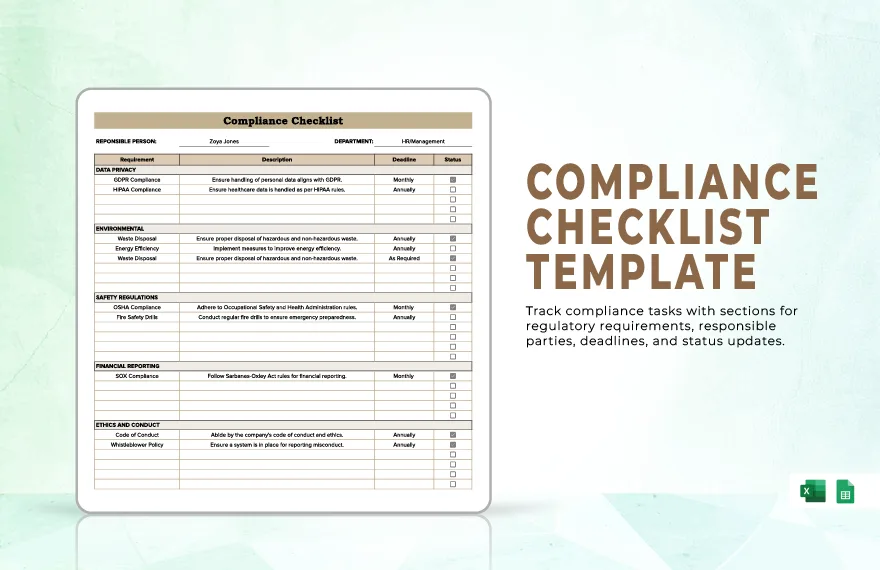
Activity Patterns Can Be Misinterpreted
Even legitimate multi-account setups can appear suspicious if activity patterns look automated or coordinated.
Data Handling Requirements Increase
Managing multiple accounts often involves handling more data, which brings additional responsibilities around privacy and security.
Lack of Structured Systems
Without a clear framework, multi-account management can become inconsistent, increasing the risk of mistakes.
The Hidden Cost of Compliance Uncertainty
Uncertainty itself is a cost, because it limits your ability to scale confidently.
You may hesitate to expand, avoid opportunities, or spend time second-guessing your setup instead of focusing on growth.
In some cases, lack of compliance can lead to restrictions, penalties, or operational disruptions.
The Complete Solution: Build a Compliant Multi-Account System
Compliance is not about avoiding risk entirely, but about managing it through structure and consistency.
The first step is understanding platform rules, ensuring that your setup aligns with what is allowed and avoiding activities that clearly violate policies.
Next, you need to standardize your workflows, ensuring that all accounts are managed consistently and that processes follow the same guidelines.
Isolation is critical, because separating accounts reduces the risk of cross-contamination and makes your system more aligned with how platforms expect accounts to operate.
This is where using controlled execution environments becomes important, and platforms like Appilot help by running workflows on separate devices, creating natural separation between accounts.
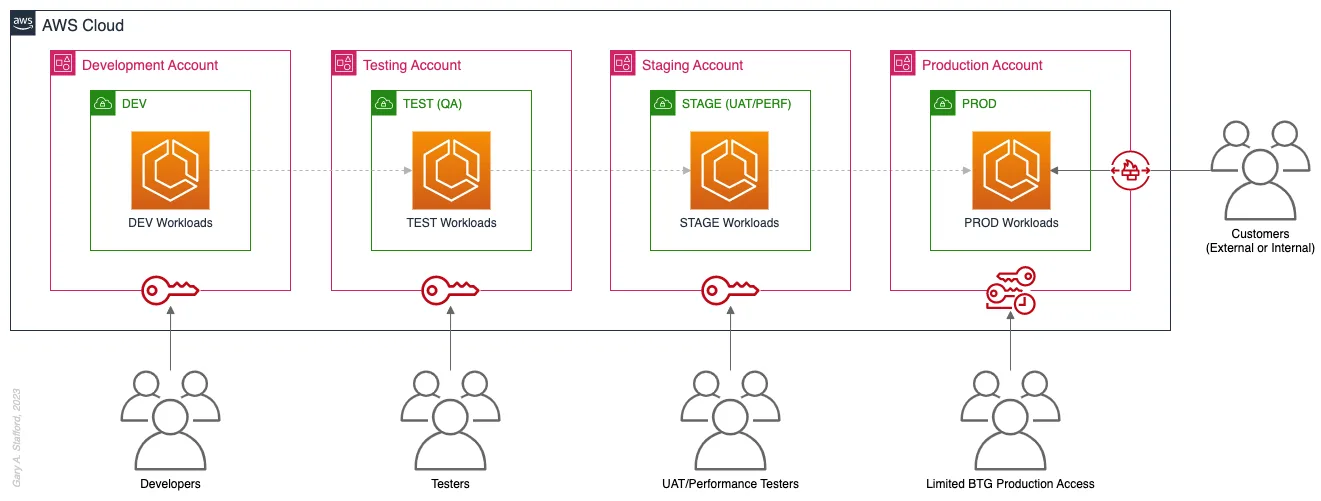
By combining rule awareness, standardized processes, and isolated environments, you create a system that operates within acceptable boundaries and reduces the risk of violations.
Monitoring also plays a key role, allowing you to detect unusual activity and adjust your setup as needed.
How to Stay Compliant as You Scale
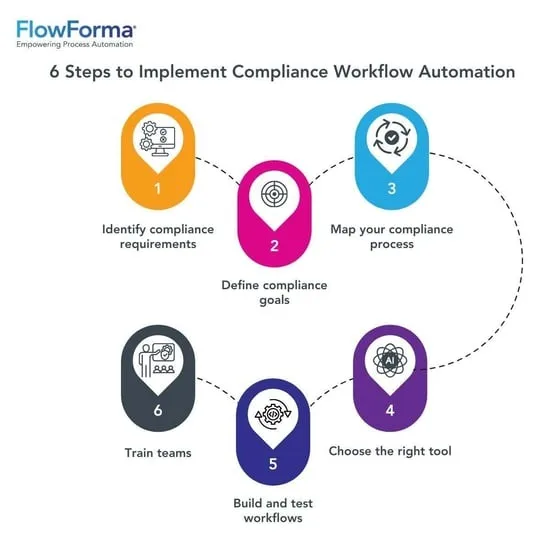
Staying compliant requires ongoing attention, because platform rules and requirements can change over time.
Regular reviews help you ensure that your system remains aligned with current guidelines.
Automation can help enforce consistent practices, reducing variability and risk.
Common Mistakes That Increase Risk
One of the most common mistakes is assuming that all multi-account setups are treated the same, without considering platform-specific rules.
Another is prioritizing scale over compliance, which can lead to issues down the line.
There is also a tendency to ignore data handling responsibilities, which can create legal exposure.
Real Success Stories: Before and After
A business managing multiple accounts felt uncertain about compliance and limited their growth as a result.
After implementing structured processes and using Appilot for isolated execution, they were able to operate more confidently and scale their operations.
Another example involved a team that faced restrictions due to inconsistent practices, but after restructuring their system, they achieved a more stable and compliant setup.
Frequently Asked Questions
One common question is whether multi-account management is legal, and the answer depends on how it is implemented and whether it aligns with platform rules.
Another question is how to reduce risk, and the answer lies in structure, consistency, and awareness.
There is also the concern about scalability, and a well-designed system allows for growth while maintaining compliance.
Conclusion: Scale With Confidence, Not Fear
If you are worried about the legal side of multi-account management, it is not because the concept itself is flawed, but because your system may not be structured to handle it safely.
Once you build a compliant framework with clear rules, standardized processes, and proper isolation, you can operate with confidence rather than hesitation.
If you are dealing with this right now, the best step forward is not to avoid scaling, but to redesign your system so that compliance becomes a natural part of how it works.