Missing Airdrop Eligibility Because You Forgot One Task? Fix This

You find out about an airdrop, you follow the steps, connect wallets, interact with platforms, maybe complete most of the required actions, and then weeks or months later, when rewards are distributed, you realize you missed out, not because you did not participate, but because you forgot one small step.
It could have been a simple action, a follow on social media, a final transaction, a staking requirement, or a timing condition that slipped past your attention, yet that one missed detail disqualified you completely.
What makes this frustrating is that the effort was already invested, you did most of the work, you were early, you were active, but the reward still did not come through, simply because the process was not tracked properly.
As you start participating in more airdrops, this problem compounds, because each project has different requirements, timelines, and conditions, making it harder to keep track of everything manually.
You might try to write things down, bookmark pages, or rely on memory, but with multiple opportunities running at the same time, it becomes easy to miss something.
You are not alone in this, and more importantly, this is not a knowledge problem, it is a system problem, because airdrop eligibility is not about doing more, it is about tracking and completing requirements consistently.
The good news is that once you understand why these gaps happen and how to build a structured system, you can ensure that you never miss eligibility again.
Why You Keep Missing Airdrops
The issue is not lack of effort, but lack of structure and tracking.
Requirements Are Scattered and Dynamic
Each airdrop has its own set of rules, and these rules can change over time, making it difficult to keep track manually.
No Central Tracking System
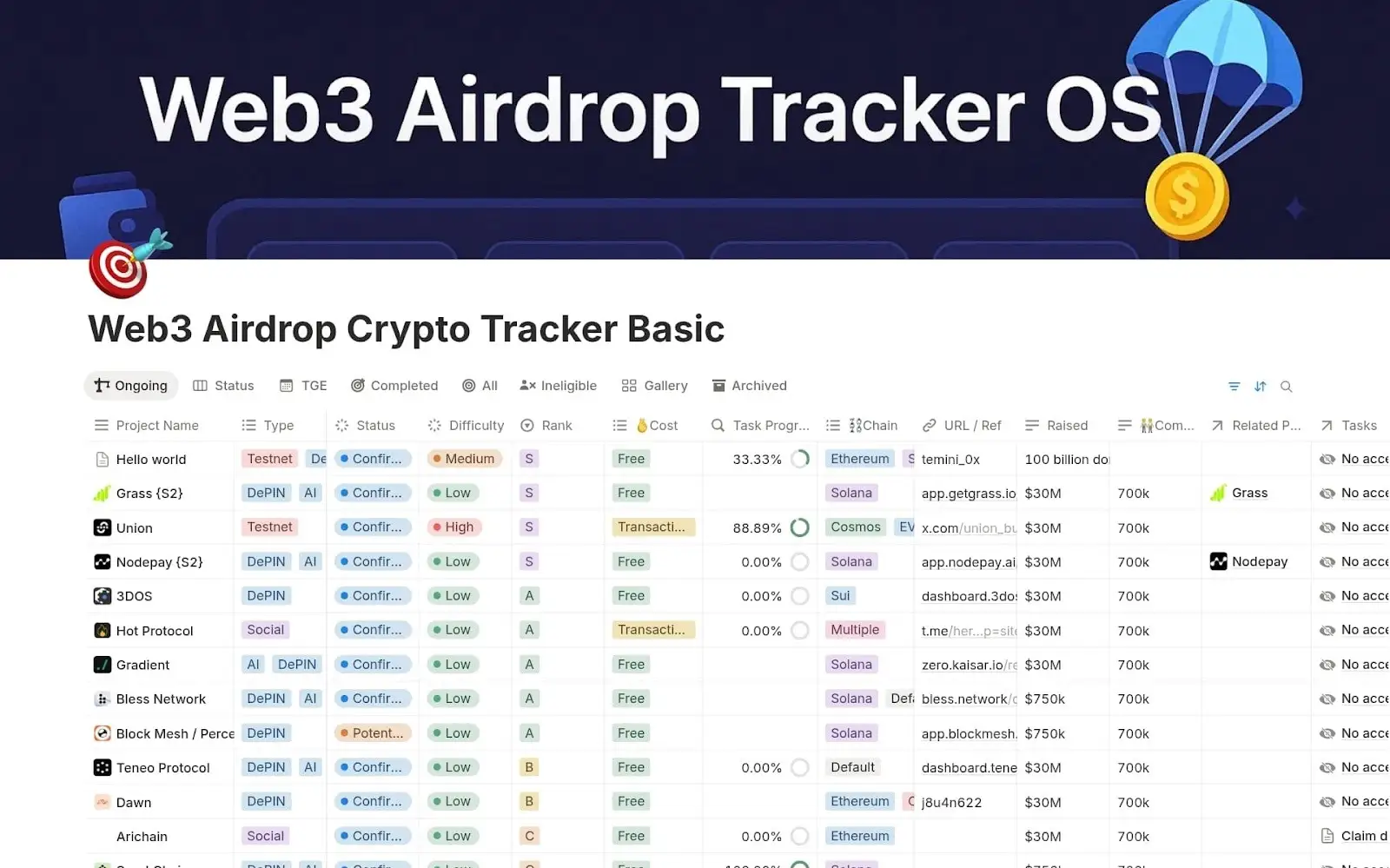
Without a single place to track all requirements, tasks are remembered inconsistently and often forgotten.
Timing Matters More Than You Think
Some actions need to be completed within specific timeframes, and missing these windows can disqualify you.
Manual Execution Creates Gaps
Relying on manual actions increases the chance of missing steps, especially when managing multiple opportunities.
The Hidden Cost of Missing Eligibility
Missing airdrops does not just mean lost rewards, it represents wasted effort, because you did most of the work but did not get the outcome.
It also creates hesitation, because you may feel unsure whether your participation will actually pay off.
More importantly, it limits your ability to scale your participation, because manual tracking does not work efficiently across multiple projects.
The Complete Solution: Build a System That Never Misses a Step
Fixing this problem requires shifting from memory-based execution to system-based tracking.
The first step is creating a centralized tracking system, where every airdrop and its requirements are documented clearly, including tasks, deadlines, and completion status.
Once tracking is in place, the next step is standardizing how you approach each airdrop, ensuring that you follow a consistent process rather than handling each one differently.
Automation becomes a powerful layer here, because it can handle repetitive actions and ensure that tasks are completed consistently.
A practical way to implement this is by using a platform like Appilot, which allows you to automate interactions and workflows on real devices, reducing the risk of missing steps.
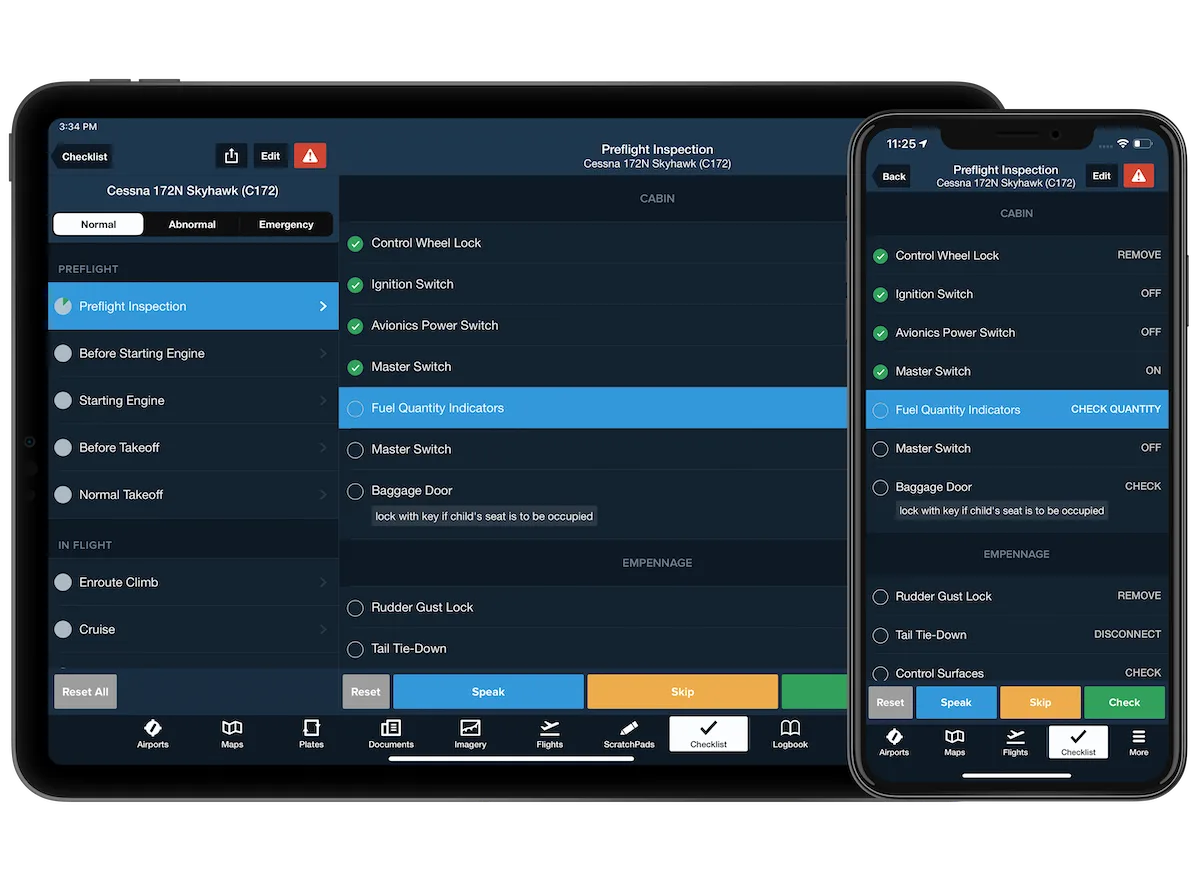
By combining structured tracking with automation, you create a system where tasks are not only remembered but executed reliably.
The final step is implementing reminders and monitoring, ensuring that you are aware of upcoming deadlines and incomplete tasks.
How to Prevent Missing Airdrops in the Future
Prevention starts with consistency, ensuring that every new airdrop is added to your tracking system immediately.
Regular reviews help you identify incomplete tasks and upcoming deadlines.
Automation ensures that repetitive actions are handled efficiently, reducing manual effort.

Common Mistakes That Keep You Missing Opportunities
One of the most common mistakes is relying on memory instead of structured tracking.
Another is treating each airdrop differently, which creates inconsistency.
There is also a tendency to delay actions, which can lead to missed deadlines.
Real Success Stories: Before and After
A user participating in multiple airdrops found that they often missed eligibility due to incomplete tasks.
After implementing a structured tracking system and using Appilot for automation, they were able to complete requirements consistently and improve their results.
Another example involved a participant who struggled with timing, but after adding reminders and monitoring, they were able to stay on track.
Frequently Asked Questions
One common question is whether all airdrop tasks can be automated, and while not everything can be automated, many repetitive actions can be handled efficiently.
Another question is how many airdrops can be managed at once, and the answer depends on your system rather than your capacity.
There is also the concern about complexity, and a well-structured system simplifies participation.
Conclusion: Turn Missed Opportunities Into Consistent Wins
If you are missing airdrops because of forgotten tasks, it is not because you are not trying hard enough, but because your system is not designed to track and execute requirements consistently.
Once you build a structured approach with tracking, automation, and monitoring, you eliminate the gaps that cause missed eligibility.
If you are dealing with this right now, the best step forward is not to try harder, but to build a system that ensures nothing is missed, because once you do, your efforts will finally translate into results.