OnlyFans Creator Account Restricted? Here’s the Recovery Guide
You log into your OnlyFans creator account expecting to check messages, upload content, or process payouts, and suddenly something feels off. Features are missing. Actions fail. You might see warnings, or worse, your account is partially or fully restricted.
Not just once—this might be the second or third time it has happened.
You try to figure out what went wrong. Maybe you posted something that crossed a line. Maybe your login activity looked suspicious. Maybe it was a payment issue. You search for answers, but everything you find is vague, outdated, or completely irrelevant to your situation.
What makes it worse is the uncertainty. You do not know exactly what triggered the restriction, how serious it is, or whether your account will be fully restored. Meanwhile, your income is affected, your audience is left waiting, and you are stuck refreshing your dashboard hoping something changes.
You are not alone in this. Creator account restrictions are more common than most people realize, especially as platforms tighten their moderation and security systems. The frustrating part is that most creators focus on what they did wrong, when in reality, the issue is often a combination of behavioral signals, system triggers, and platform policies.
The good news is that recovery is possible, and if you approach it correctly, you can not only restore your account but also prevent this from happening again.
Why OnlyFans Creator Accounts Get Restricted
Most creators assume restrictions happen because of obvious policy violations, but the reality is more nuanced. Restrictions are often triggered by patterns, not single actions.
Unusual login and device activity
If your account is accessed from different locations, devices, or IP addresses within a short period of time, the system flags this as suspicious. Even legitimate behavior, such as logging in while traveling or switching devices frequently, can trigger restrictions.
From the platform’s perspective, this looks similar to account sharing or unauthorized access.
Content moderation triggers
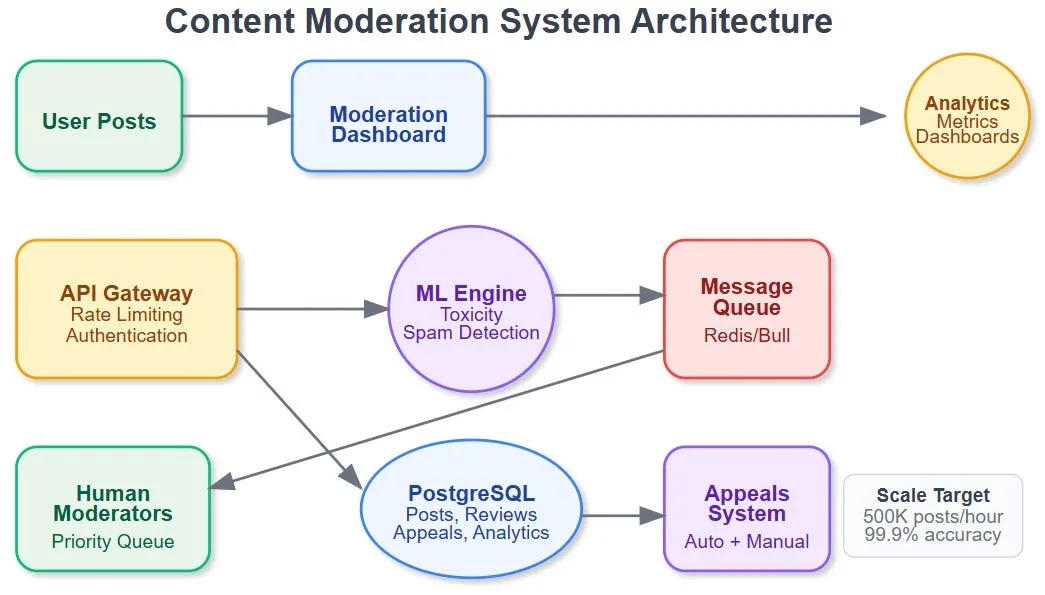
Certain types of content, captions, or links can trigger automated moderation systems. Even if the content is allowed, the system may temporarily restrict the account until it is reviewed.
This is why some restrictions feel random—they are often the result of automated checks rather than manual decisions.
Payment and payout issues
Failed transactions, chargebacks, or inconsistencies in payout information can also lead to restrictions. Platforms prioritize financial security, so anything that looks unusual in payment activity can trigger protective measures.
Automation or unusual interaction patterns
If your account performs actions at a scale or speed that does not match typical user behavior, it may be flagged. This includes sending large volumes of messages, interacting with subscribers in rapid bursts, or performing repetitive actions.
Even if your intentions are legitimate, the system may interpret this as automation or abuse.
The Hidden Cost of Ignoring the Problem
It is tempting to wait and hope the restriction resolves itself, but this approach often makes things worse.
Every hour your account is restricted, you lose potential revenue. Subscribers may lose interest, engagement drops, and your growth slows down. If restrictions happen repeatedly, it can damage your account’s long-term performance.
There is also a trust factor. Subscribers expect consistency, and repeated interruptions can affect how they perceive your account.
Most importantly, repeated restrictions increase the risk of permanent action. Platforms track account history, and multiple flags can escalate the severity of future restrictions.
The Complete Recovery Process
Recovering your account requires a structured approach. Acting too quickly or making the wrong move can delay recovery or make the situation worse.
Step 1: Identify the type of restriction
Not all restrictions are the same. Some limit specific features, while others affect the entire account.
Check what is actually restricted. Are you unable to post, message, or withdraw funds? Are you seeing a specific error or warning? Understanding the scope helps determine the correct recovery path.
Step 2: Stop all unusual activity immediately
If you continue performing actions that triggered the restriction, you risk extending it.
Avoid logging in from multiple devices, stop sending bulk messages, and pause any high-frequency activity. Give the system time to stabilize your account.
Step 3: Review recent changes
Think about what changed before the restriction occurred. Did you switch devices, travel, update payment details, or change your posting behavior?
Identifying the trigger helps you avoid repeating it during recovery.
Step 4: Contact platform support correctly
When reaching out to support, clarity matters. Provide a concise explanation of your situation, including any relevant details about recent activity.
Avoid sending multiple messages or spamming support channels, as this can slow down the process.
Step 5: Wait for review and avoid interference
Once your case is under review, patience is critical. Logging in repeatedly, making changes, or attempting workarounds can interfere with the process.
Most reviews take time, and interfering can reset progress.
Why Recovery Alone Is Not Enough
Many creators successfully recover their accounts, only to face the same issue again weeks later. This happens because recovery fixes the symptom, not the underlying cause.
If your behavior patterns, device usage, or activity levels remain the same, the system will continue to flag your account.
This is why prevention is just as important as recovery.
The Smarter Approach: Stabilizing Your Workflow
To avoid repeated restrictions, your account activity needs to look consistent and natural over time.
This means using stable devices, maintaining consistent login patterns, and avoiding sudden spikes in activity. It also means managing your workload in a way that does not trigger automated detection systems.
For creators managing high volumes of interactions, this becomes difficult to maintain manually. As your account grows, the risk of triggering restrictions increases.
One way to handle this is by using structured automation that operates within real mobile environments rather than browser-based tools or inconsistent setups.
This is where platforms like Appilot come in. Instead of running actions from unstable or mismatched environments, workflows run on real Android devices, which naturally align with platform expectations.
The goal is not to push limits, but to maintain consistency at scale without triggering detection systems.
How to Prevent Future Restrictions
Once your account is restored, prevention becomes your priority.
Consistency is the most important factor. Avoid switching devices frequently, maintain stable login locations, and keep your activity patterns within realistic limits.
You should also monitor your account for early warning signs. Small issues, such as delayed actions or temporary feature limitations, can indicate that your account is being flagged before a full restriction occurs.
Most importantly, avoid reactive behavior. Sudden changes in activity, especially after recovery, can trigger the system again.
Common Mistakes That Make Restrictions Worse
One of the biggest mistakes is panicking and trying multiple fixes at once. Logging in from different devices, changing settings repeatedly, or attempting workarounds can confuse the system and delay recovery.
Another mistake is ignoring the root cause. Recovering the account without changing behavior almost guarantees that the issue will return.
There is also a tendency to rely on unreliable tools or methods that promise quick fixes. These often create more problems than they solve.
Conclusion: Recovery Is Possible—But Stability Is the Real Goal
Getting your OnlyFans creator account restricted can feel overwhelming, especially when your income and audience depend on it. But the situation is not permanent, and with the right approach, recovery is achievable.
The key is to understand that restrictions are not random. They are triggered by patterns, and once you identify those patterns, you can control them.
Recovery gets your account back. Stability ensures you keep it.
If you focus on consistent behavior, controlled activity, and reliable environments, you can not only avoid future restrictions but also build a system that supports long-term growth without constant interruptions.
That is the difference between reacting to problems and preventing them altogether.