Scared Your Accounts Will Get Hacked? Here’s How to Secure Them

You log into your accounts like you always do, everything seems normal, nothing looks suspicious on the surface, but somewhere in the back of your mind there is a constant concern, a quiet awareness that at any moment something could go wrong, an account could get locked, hacked, or accessed without your permission, and by the time you notice, the damage might already be done.
This fear does not come from nowhere, because you have seen it happen before, maybe to you, maybe to someone else, accounts suddenly compromised, data lost, access revoked, or worse, entire operations disrupted overnight without warning.
What makes this especially stressful is that as you manage more accounts, whether for clients, automation, or scaling purposes, the risk increases, not just because there are more targets, but because the system itself becomes more complex and harder to secure properly.
You try to stay careful, using strong passwords, enabling basic protections, and avoiding obvious mistakes, but it still feels like you are one step away from a potential breach, because you are not entirely sure if what you are doing is enough.
You are not alone in this, and more importantly, this is not just about individual security habits, because most account breaches happen due to system-level weaknesses rather than single mistakes.
The good news is that once you understand how accounts actually get compromised and where the real vulnerabilities lie, you can build a system that significantly reduces risk and keeps your accounts secure even as you scale.
Why Accounts Get Hacked
Most people assume hacking happens because of weak passwords or obvious mistakes, but in reality, breaches often occur due to structural vulnerabilities.
Shared Environments Create Risk
When multiple accounts are accessed from the same device, browser, or IP, it creates a pattern that can be exploited or flagged, increasing the risk of compromise.
Poor Access Management
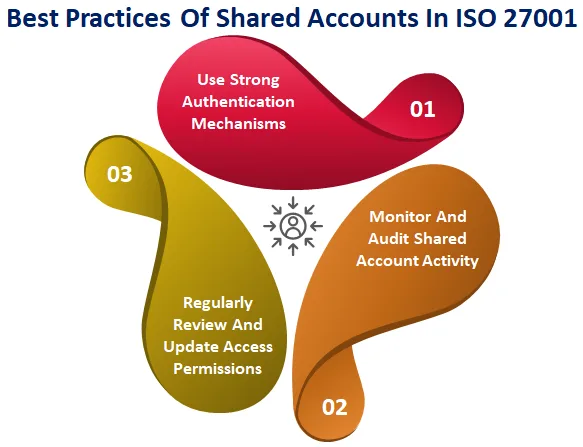
When access is shared across team members without clear controls, it becomes difficult to track who is doing what, increasing the risk of unauthorized actions.
Lack of Isolation Between Accounts
Running multiple accounts in the same environment makes it easier for issues in one account to affect others, whether through detection systems or security vulnerabilities.
Inconsistent Security Practices
Using different methods for different accounts creates gaps in security, where some accounts are protected while others are exposed.
The Hidden Cost of Weak Account Security
A compromised account does not just affect that single account, it can disrupt workflows, damage client trust, and create operational chaos that takes significant time to recover from.
You may lose access, data, or even entire accounts, which can impact your business directly.
More importantly, it creates uncertainty, making it difficult to scale confidently because every additional account increases perceived risk.
The Complete Solution: How to Secure Your Accounts Properly
Securing your accounts requires more than basic precautions, it requires building a system that minimizes risk at every level.
The first step is creating isolation, ensuring that each account operates in its own environment rather than sharing devices, sessions, or connections.
This reduces the risk of cross-contamination and makes it harder for issues to spread.
The next step is implementing consistent security practices, including strong authentication, controlled access, and clear protocols for managing accounts.
However, even with these measures, the environment in which accounts are accessed plays a critical role in security.
This is where using a more controlled execution layer becomes important, and platforms like Appilot help by running automation on real devices, creating natural separation between accounts and reducing exposure.
By combining isolation, consistent practices, and secure execution environments, you create a system where accounts are protected not just individually, but collectively.
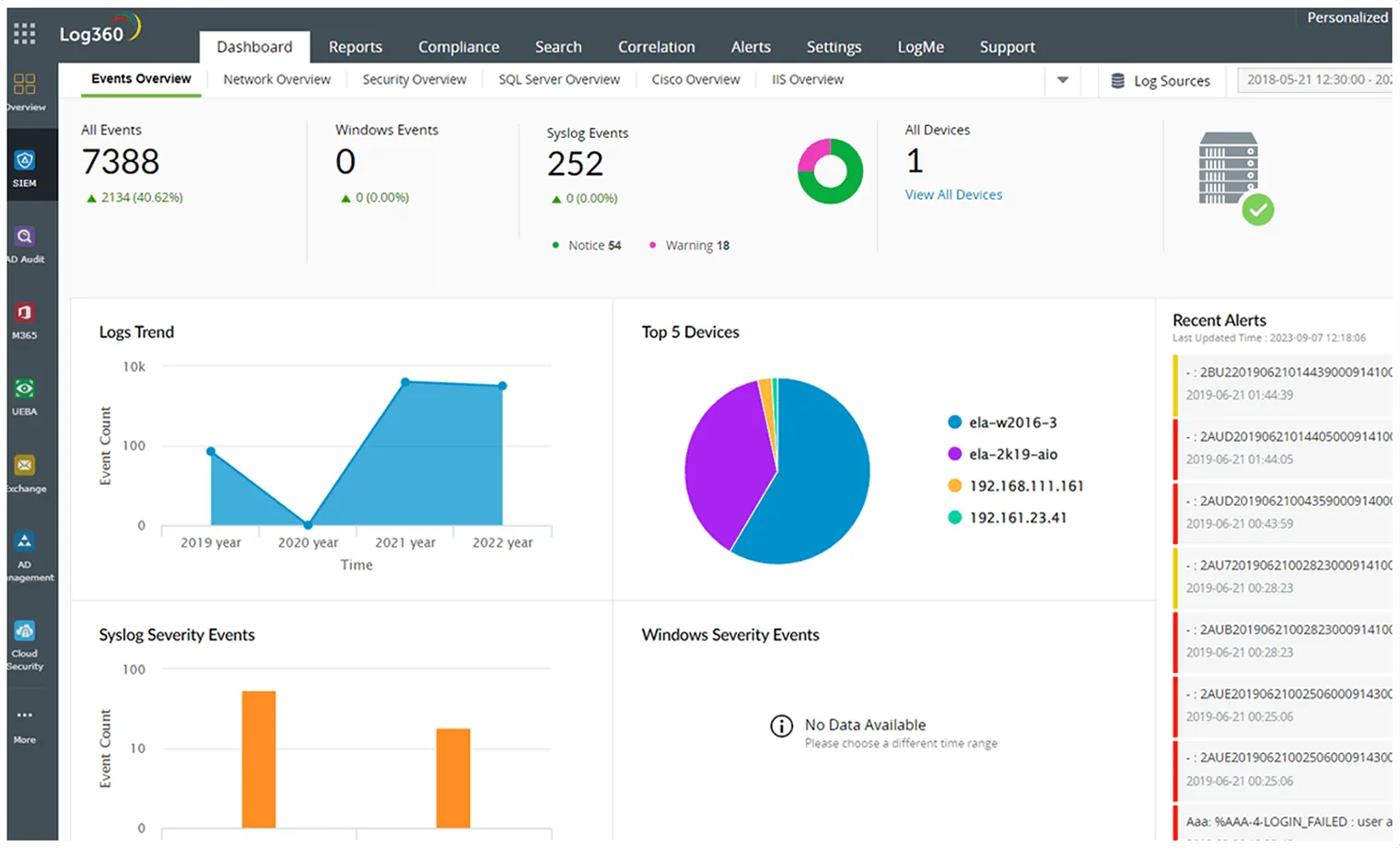
Monitoring also plays a key role, allowing you to detect unusual activity early and respond before issues escalate.
How to Prevent Security Issues From Coming Back
Prevention starts with maintaining consistent security practices across all accounts, ensuring that no account is left exposed due to oversight.
Regular audits help you identify vulnerabilities and address them proactively.
Automation can also help enforce security protocols, reducing reliance on manual processes.
Common Mistakes That Increase Risk
One of the most common mistakes is relying on convenience over security, such as reusing environments or sharing access without proper controls.
Another is assuming that basic protections are enough, which can leave gaps in your system.
There is also a tendency to focus on individual accounts rather than the overall system, which misses structural vulnerabilities.
Real Success Stories: Before and After
A user managing multiple accounts experienced repeated security issues due to shared environments and inconsistent practices.
After implementing structured security measures and using Appilot for isolated execution, they were able to significantly reduce risk and improve overall security.
Another example involved a team that faced challenges with account management, but after restructuring their system, they achieved a more secure and reliable setup.
Frequently Asked Questions
One common question is whether strong passwords alone are enough, and while they are important, they do not address system-level vulnerabilities.
Another question is how many accounts can be managed securely, and the answer depends on how well your system is designed rather than the number of accounts.
There is also the concern about complexity, and while secure systems require structure, they ultimately reduce risk and improve reliability.
Conclusion: Build Security Into Your System
If you are worried about your accounts getting hacked, it is not because you are overly cautious, it is because your system may have vulnerabilities that need to be addressed.
Once you shift from individual security measures to a system-level approach, you create a setup where accounts are protected consistently and reliably.
If you are dealing with this concern right now, the best step forward is not to rely on quick fixes, but to build a system that prioritizes security at every level, because once you do, you can operate with confidence instead of fear.