Shopify Payment Gateway Suspended Your Account? Here's Why
The Store Is Still Running But Payments Suddenly Stopped
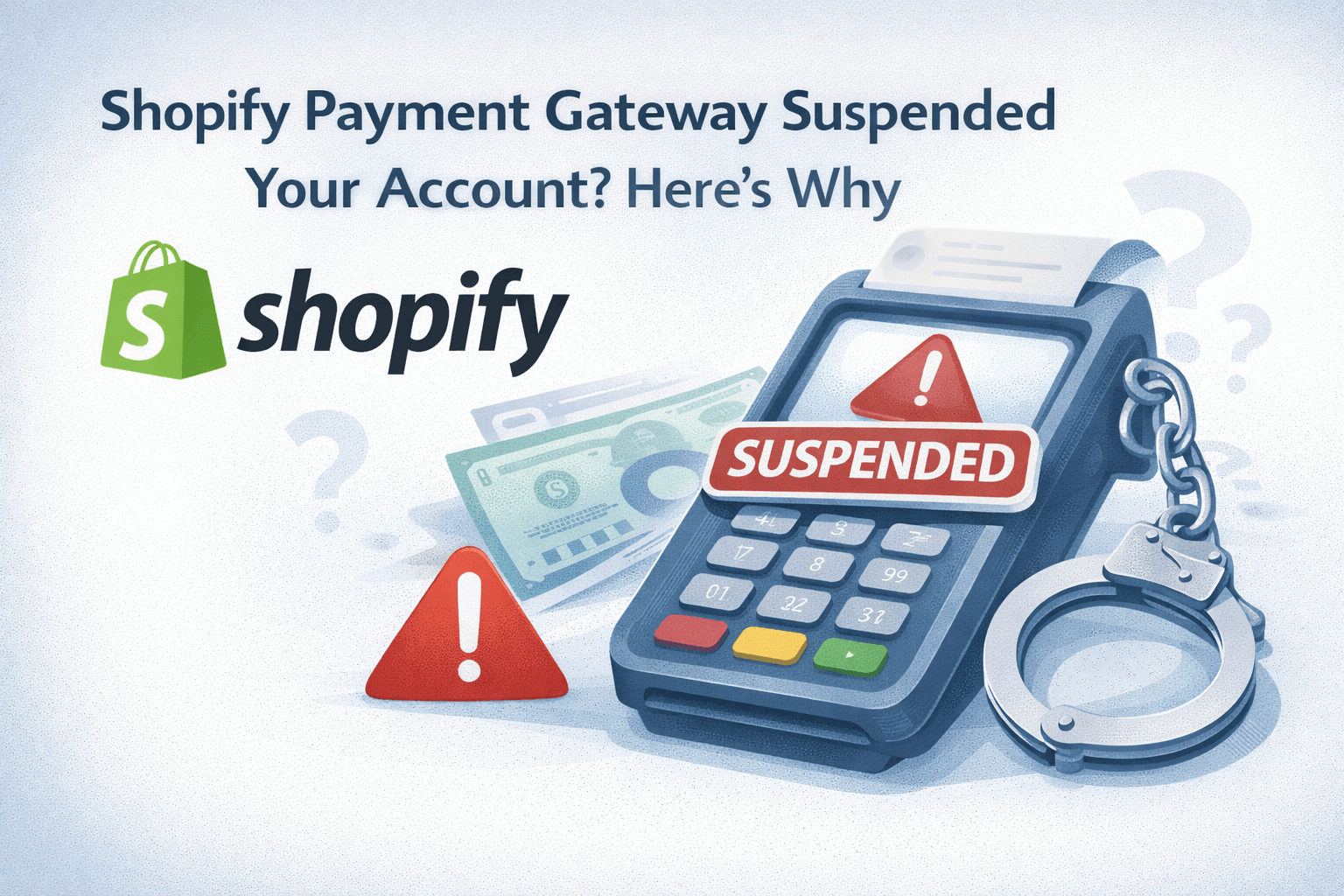
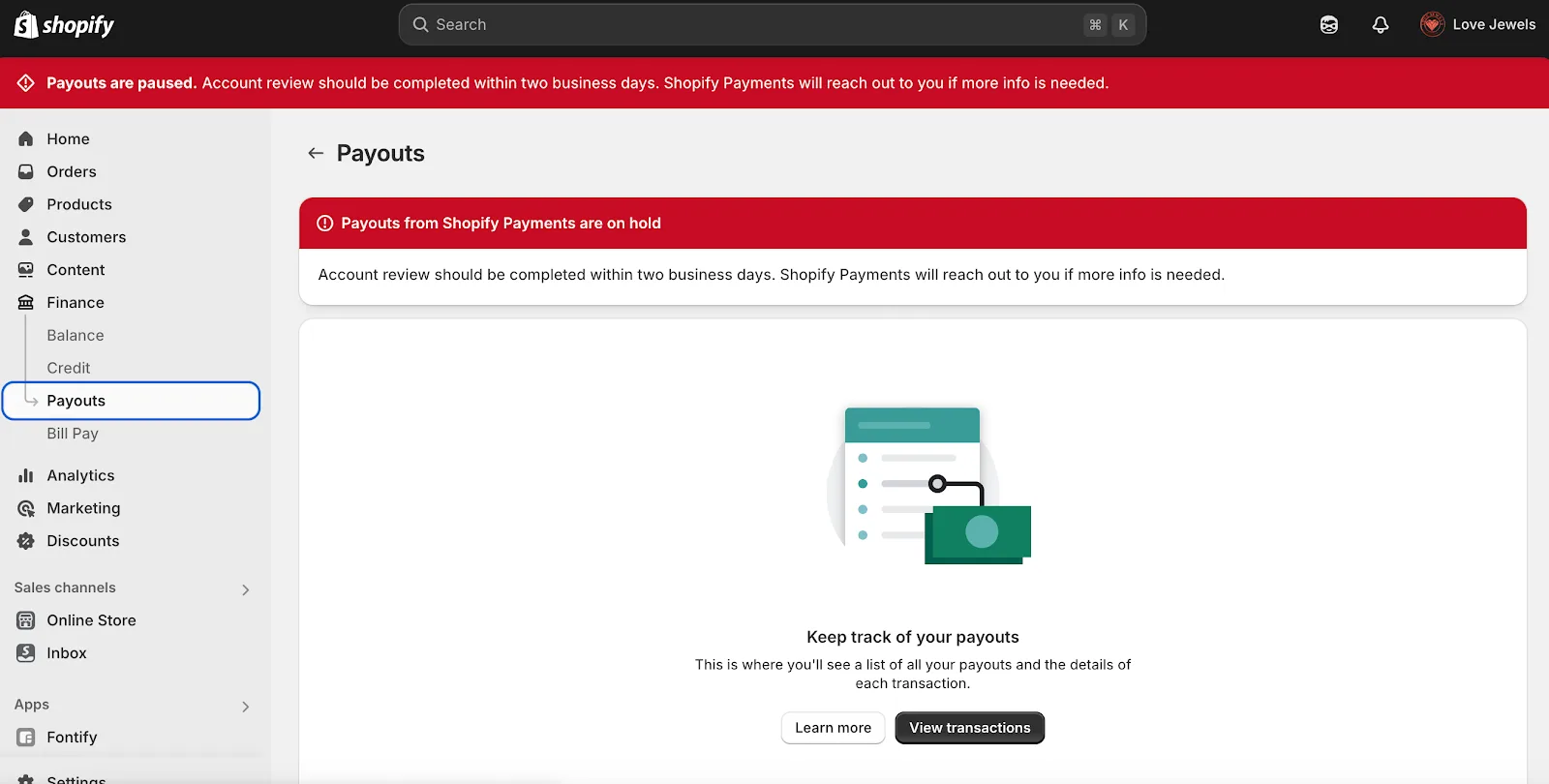
One of the most stressful things for Shopify store owners is waking up and discovering that the payment gateway has been suspended. Products may still be live, customers may still be placing orders, and traffic may still be coming in, but payouts stop and the store suddenly feels stuck.
That becomes a serious problem because without payment processing, the business cannot operate normally.
This becomes especially frustrating because Shopify or the payment provider often gives only a broad explanation. Instead of clearly identifying one exact issue, they may simply mention risk concerns, prohibited products, unusual activity, high chargebacks, or policy violations.
That leaves you trying to figure out whether the issue came from the products, the payment behavior, the refund rate, the business model, or something else entirely.
The important thing to understand is that payment gateways usually suspend accounts when the store starts looking too risky from a financial or compliance perspective.
Why Shopify Payment Gateways Get Suspended
Most payment gateway suspensions happen because the provider sees higher risk than normal.
For example, high chargeback rates, too many refunds, unusual spikes in sales, inconsistent transaction patterns, restricted products, misleading marketing, poor customer service, or missing business documents can all increase suspension risk.
The same thing can happen if the store is selling products in categories that payment providers consider high risk.
For example, supplements, CBD, adult products, gambling-related items, digital services, crypto products, or subscription businesses often face much stricter payment reviews.
Payment providers want to reduce fraud, chargebacks, and compliance problems.
If the store starts looking unstable or risky, the payment gateway may stop processing payments very quickly.
The Biggest Mistake: Ignoring The Real Reason Behind The Suspension
One of the biggest mistakes store owners make is focusing only on getting the payment gateway restored without fixing the issue that caused the suspension.
For example, if the store has high chargebacks, weak customer service, misleading product claims, or poor refund handling, simply asking for reinstatement will not solve the underlying risk.
The stronger approach is reviewing the entire store carefully.
Look at the products, refund rate, chargeback rate, shipping times, business documents, customer complaints, product claims, and payment history.
Even if the gateway provider only mentions one issue, there are often several things creating risk at the same time.
Why Chargebacks Cause So Many Problems
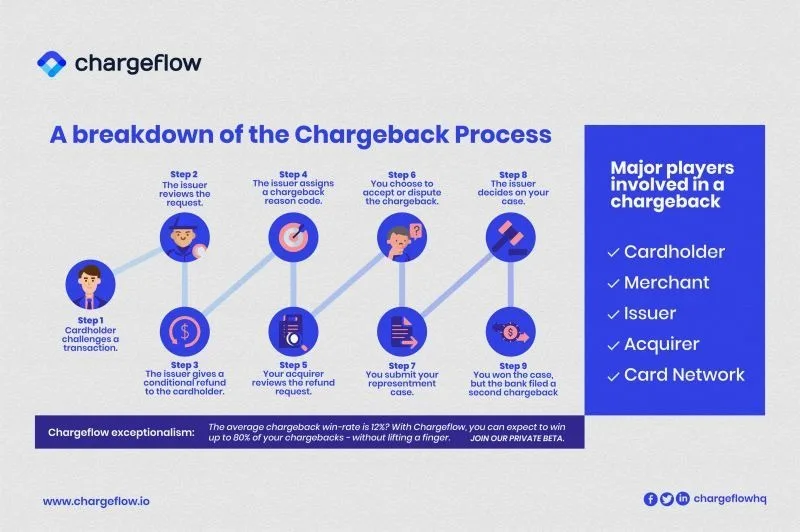
Chargebacks are one of the biggest reasons payment gateways get suspended.
If too many customers contact their bank to reverse payments, the provider sees the business as risky.
Chargebacks often happen because customers do not recognize the store name, shipments arrive late, refunds take too long, products do not match expectations, or customer support is slow.
Even a relatively small number of chargebacks can create major problems if the store has low transaction volume.
That is why reducing disputes matters so much.
Why Business Documents Matter
A lot of payment gateway suspensions happen because the provider cannot fully verify the business.
For example, missing tax documents, missing ID verification, incomplete business registration, unclear supplier records, or mismatched bank details can all create problems.
Payment providers want to know exactly who is running the store and what products are being sold.
If the business information looks incomplete or inconsistent, the gateway becomes much more likely to suspend payouts.
Why Better Systems Reduce Suspension Risk
Payment gateway problems become much harder to manage when chargebacks, customer complaints, supplier records, shipping notes, and business documents are spread across different systems. You may have one place for refunds, another for customer emails, another for supplier invoices, and another for payment alerts. That makes it difficult to see which issues are creating the biggest risk.
This is one of the reasons Appilot becomes useful when e-commerce operations start scaling. Instead of keeping browser workflows, Android automations, customer complaints, refund history, supplier records, payment alerts, and task history spread across different systems, everything can stay visible from one dashboard. That makes it easier to monitor payment risk, review chargeback patterns, organize business records, and reduce the chance of future payment gateway suspensions across multiple Shopify stores.
Conclusion: Payment Gateways Usually Suspend Stores That Start Looking Too Risky
If your Shopify payment gateway was suspended, the issue is usually not that the provider randomly decided to stop processing payments. The problem is often that chargebacks, refunds, restricted products, missing documents, or unusual transaction patterns started making the store look risky.
Once you improve customer experience, reduce disputes, strengthen business verification, and organize store operations more carefully, it becomes much easier to recover payment processing and reduce the chance of future suspensions.