Subscription Creep Eating Your Profit? Here’s the Audit (And How to Fix It Fast)

It Didn’t Feel Expensive… Until You Added It All Up
At no single moment did it feel like you were overspending. Each subscription made sense when you added it. One tool solved a problem, another improved efficiency, another added visibility, and each decision felt justified on its own.
But over time, something changed.
You look at your monthly expenses and realize that a large portion of your revenue is being eaten by recurring costs. Not because of one big decision, but because of dozens of small ones that accumulated quietly.
This is what subscription creep looks like. It does not feel urgent, it does not break your workflow, and that is exactly why it keeps growing unnoticed.
Why Subscription Creep Happens So Easily
The problem is not that tools are expensive, it is that the system around them grows without structure.
The first cause is incremental decisions. Each tool is added to solve a specific problem, but there is no step where the overall system is reviewed as a whole.
The second cause is overlapping functionality. Different tools often solve similar problems, but without consolidation, you end up paying for the same capability multiple times.
The third cause is forgotten subscriptions. Tools that were once useful continue to be billed even after they are no longer actively used.
The fourth cause is lack of visibility. Without a clear overview of all subscriptions, it becomes difficult to identify where money is being wasted.
The Hidden Cost of Subscription Creep
The financial impact is obvious, but the deeper effects are often underestimated.
Your margins shrink because recurring costs grow faster than revenue. Even if your business is generating more income, your profit does not increase proportionally.
Your workflow becomes more complex as you manage multiple tools, which reduces efficiency and increases the time spent on coordination.
There is also a mental cost. Keeping track of multiple subscriptions, renewals, and billing cycles creates unnecessary overhead.
Most importantly, scaling becomes expensive. Every new client or account adds more subscriptions, increasing costs linearly.
The Real Problem: Your Stack Grew Without a System
The core issue is not the number of subscriptions, but the absence of a structured system that controls how they are added and maintained.
When tools are added reactively, without consolidation or review, the stack becomes fragmented. This fragmentation is what drives both cost and complexity.
What you need is not just cost-cutting, but a system that prevents unnecessary subscriptions from accumulating in the first place.
The Complete Audit: How to Identify Waste Quickly
The only way to stop subscription creep is to bring full visibility to your stack and evaluate it systematically.
The first step is listing everything. You identify every subscription, no matter how small, and calculate the total monthly cost.
The second step is mapping usage. For each tool, you determine how often it is used and which features are actually essential.
The third step is identifying overlap. You look for tools that provide similar functionality and evaluate whether both are necessary.
The fourth step is eliminating or downgrading. Tools that are unused, redundant, or overpowered for your needs are removed or reduced.
This process alone often reveals significant savings without affecting your workflow.
The Structural Fix: Replace Tool Stacks with Workflow Systems
Auditing reduces costs once, but the real solution is preventing the problem from returning.
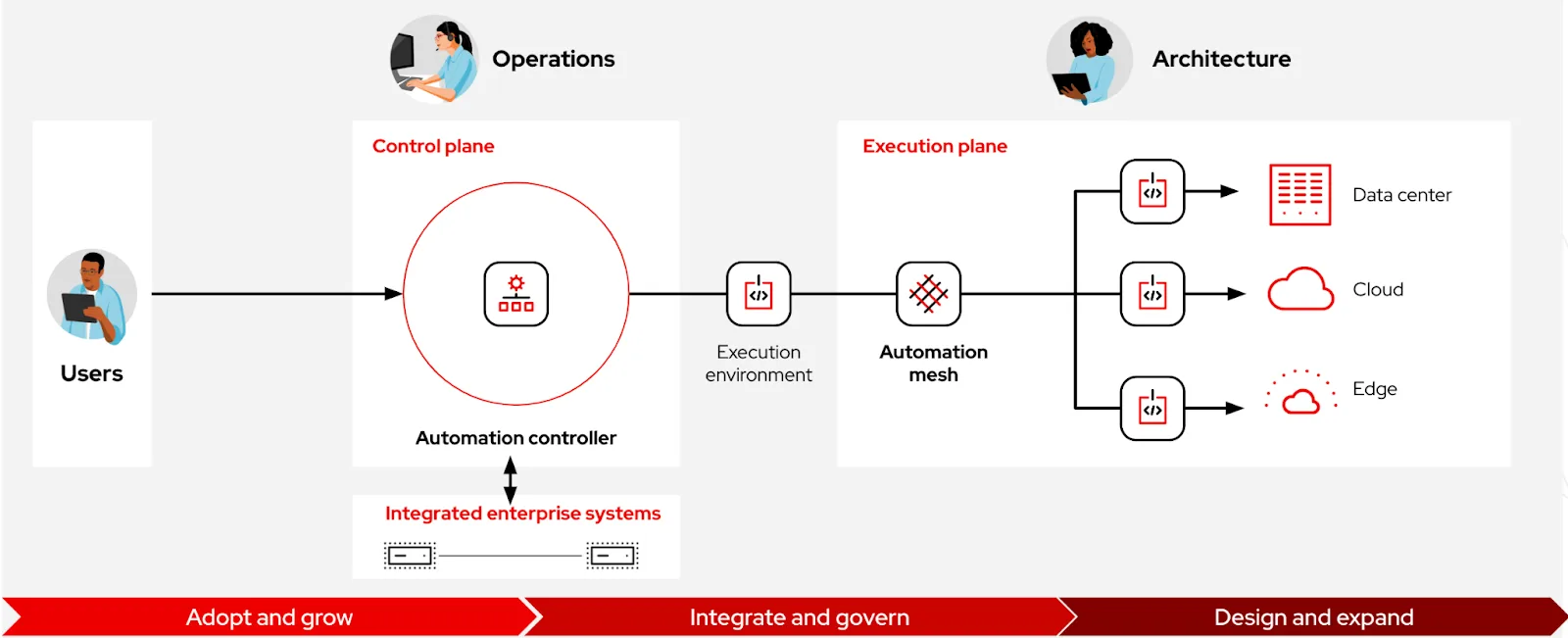
The first step is consolidating workflows. Instead of relying on multiple tools for different parts of the same process, you move toward systems that handle execution more directly.
The second step is standardizing how work is done. When workflows are consistent, you need fewer tools to manage them.
The third step is centralizing execution. Instead of spreading tasks across multiple platforms, you bring them into a controlled environment.
This is where many teams struggle, because replacing multiple tools requires a system that can handle execution efficiently.
This is also where tools like Appilot become relevant.
Instead of relying on multiple subscriptions for execution, automation, and coordination, Appilot allows you to run workflows on real devices within a centralized system, reducing the need for overlapping tools.
You could attempt to consolidate manually by restructuring your stack, but maintaining that balance becomes complex as you grow. Appilot simplifies this by acting as a unified execution layer that reduces dependency on multiple tools.
The key shift is moving from subscription-heavy stacks to workflow-driven systems.
How Much You Can Actually Save
Once you complete a proper audit and restructure your system, the savings are often larger than expected.
You eliminate unused subscriptions that were quietly draining your budget.
You reduce overlapping tools that duplicate functionality.
You downgrade plans that exceed your actual needs.
You avoid adding new tools unnecessarily because your workflows are already structured.
For many teams, this results in cutting 30–50% of their total tool costs without reducing output.
How to Keep Costs Under Control Long-Term
Preventing subscription creep requires ongoing discipline.
You ensure that every new tool is evaluated against your existing system before being added.
You review subscriptions regularly to identify waste early.
You continue refining your workflows so that they remain efficient and scalable.
Common Mistakes That Make This Worse
One of the most common mistakes is adding tools reactively without reviewing the overall system.
Another mistake is keeping subscriptions out of habit, even when they are no longer needed.
Some teams attempt to integrate everything instead of simplifying, which increases complexity.
The most critical mistake is assuming that small subscriptions do not matter, when they accumulate into significant costs.
Conclusion: Small Costs Become Big Problems Without Structure
If subscription creep is eating into your profit, it is not because your tools are inherently expensive, it is because your system is not controlling how they are used.
Once you audit your stack, eliminate redundancy, and move toward structured workflows, costs decrease naturally while efficiency improves.
You can continue adding subscriptions as new needs arise, but without structure, the cost will keep growing.
At some point, you either build a system that controls your stack or let your stack control your costs.
That is where platforms like Appilot fit in, not as another subscription, but as a way to reduce reliance on multiple subscriptions and create a streamlined, scalable workflow that protects your margins.