TikTok Ad Creative Rejected for "Low Quality"? Fix This
The Creative Looks Fine But TikTok Still Rejects It
One of the most frustrating things in TikTok advertising is uploading a video that seems completely normal and then seeing it rejected for “low quality.”
The creative may look fine from your point of view. The message is clear, the product is visible, and the video works properly. Then suddenly TikTok flags it as low quality without giving much detail about what caused the problem.
This becomes even more frustrating because TikTok often uses very broad moderation labels. Instead of telling you the exact second of the video, the exact sentence, or the exact visual that triggered the issue, the platform may simply reject the creative and leave you guessing.
The important thing to understand is that TikTok usually labels a creative as low quality when the video looks incomplete, hard to watch, overly promotional, repetitive, or misleading from the platform’s point of view.
Why TikTok Flags Creatives As Low Quality
Most low-quality rejections happen because the creative feels rushed, blurry, repetitive, low resolution, or too obviously like an ad.
For example, videos with poor lighting, low audio quality, watermarks, stretched dimensions, pixelation, unreadable text, or abrupt cuts are much more likely to get flagged.
TikTok also dislikes videos that feel overly sales-focused without enough value or entertainment.
If the first few seconds are too aggressive, if the video uses too much text, or if the content feels copied from another platform, the rejection risk becomes much higher.
This is especially common when advertisers reuse old Facebook creatives, recycle the same clips repeatedly, or upload videos with visible logos and watermarks from other apps.
The Biggest Mistake: Reuploading The Same Creative Without Changes
One of the biggest mistakes advertisers make is reuploading the exact same creative immediately after a rejection.
If TikTok already rejected the video once, uploading the same file again without making changes usually leads to another rejection.
The stronger approach is reviewing the creative carefully before trying again.
Check the resolution, video dimensions, audio quality, text readability, lighting, pacing, and opening hook.
Make sure the video feels natural and easy to watch.
Even small improvements like better captions, cleaner transitions, sharper visuals, or a stronger opening can make a big difference.
Why TikTok Hates Overly Promotional Videos
TikTok is different from other advertising platforms because users expect content to feel native.
If the video immediately looks like a hard sales pitch, people tend to scroll away quickly.
That is why TikTok often rejects or limits videos that feel too promotional.
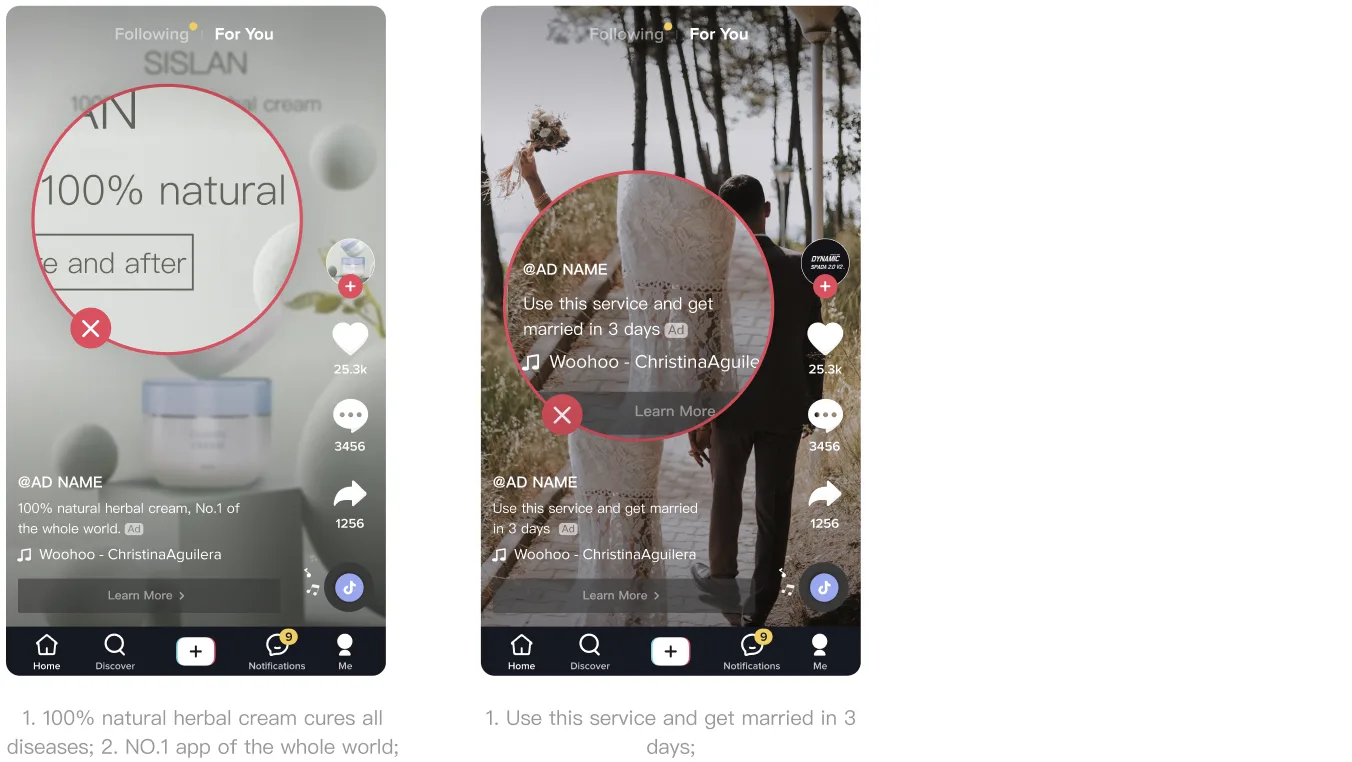
For example, aggressive text like “Buy Now,” “Guaranteed Results,” “Best Product Ever,” or “Limited Time Only” can make the creative feel low quality even if the video itself looks technically fine.
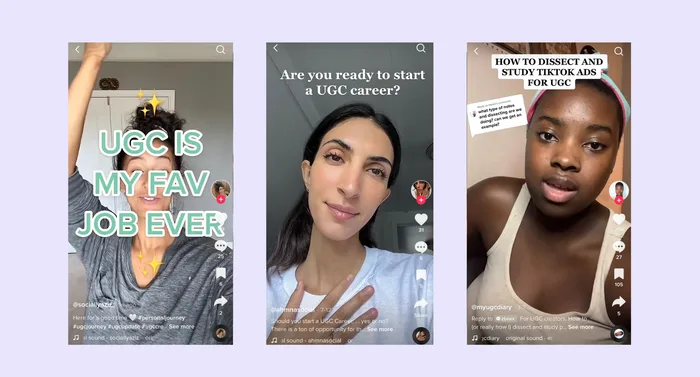
The strongest TikTok ads usually feel closer to organic content.
They often look like creator videos, product demonstrations, tutorials, behind-the-scenes content, reactions, or user-generated content rather than traditional advertisements.
Why Repetitive Content Raises Rejection Risk
A lot of low-quality rejections happen because advertisers use the same video repeatedly across too many campaigns.
If TikTok sees the same creative running over and over again, especially across multiple accounts, the platform may start treating it as low quality or overused.
This becomes even more common when the same hook, the same music, the same captions, and the same format appear repeatedly.
That is why creative rotation matters.
You do not always need a completely new offer, but changing the hook, visuals, music, pacing, captions, or CTA can make the creative feel fresh again.
How To Improve Approval Chances
The easiest way to improve approval chances is making the creative feel more natural, cleaner, and more engaging.
Use high-resolution video. Make sure the audio is clear. Avoid watermarks from other apps. Keep text easy to read. Use better lighting. Make the first few seconds more interesting. Remove exaggerated claims. Keep the video shorter if it feels slow.
Most importantly, make the content feel like something a normal TikTok user would actually want to watch.
Why Better Creative Systems Matter
Creative rejection problems become much harder to manage when video files, captions, hooks, account notes, campaign history, and approval feedback are spread across different systems. You may have one place for raw videos, another for edited creatives, another for captions, and another for campaign tracking. That makes it difficult to see which creative patterns keep getting rejected.
This is one of the reasons Appilot becomes useful when advertising operations start scaling. Instead of keeping browser workflows, Android automations, video assets, creative notes, campaign history, rejection patterns, and task logs spread across different systems, everything can stay visible from one dashboard. That makes it easier to compare rejected creatives, organize content variations, review risky patterns, and improve approval rates across multiple campaigns.
Conclusion: Low-Quality Rejections Usually Mean The Creative Feels Too Weak, Repetitive, Or Too Much Like A Traditional Ad
If TikTok rejected your ad creative for low quality, the issue is usually not that the platform randomly blocked the video. The problem is often that the creative looked blurry, repetitive, overly promotional, or not engaging enough for TikTok users.
Once you improve the visuals, make the content feel more native, remove aggressive sales language, and refresh the creative regularly, it becomes much easier to get videos approved and keep campaigns performing better.