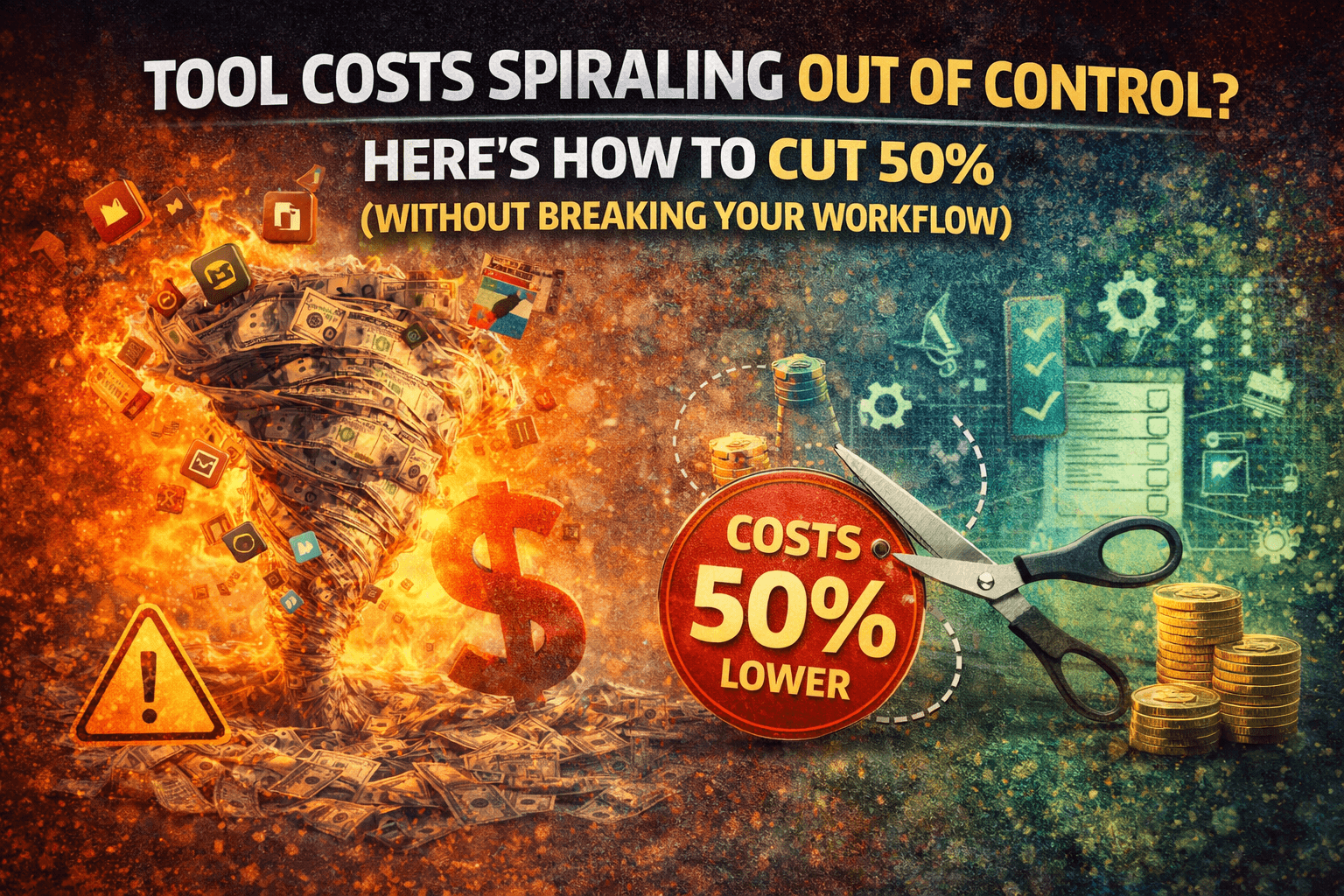
Tool Costs Spiraling Out of Control? Here’s How to Cut 50% (Without Breaking Your Workflow)
You Keep Adding Tools… But Costs Keep Climbing
At the beginning, each tool feels like a solution. You add one for scheduling, another for analytics, another for reporting, then something for automation, and maybe a few more to connect everything together.
Individually, none of them feel expensive. Each one solves a specific problem, and together they seem to improve your workflow. But over time, the stack grows quietly, and so does the cost.
Then one day you look at your monthly expenses and realize something is off. You are paying for multiple tools that overlap, subscriptions you barely use, and features that solve problems you no longer have.
What started as optimization turns into complexity, and complexity turns into cost.
This is not just about money. It is a sign that your system has grown without structure.
Why Tool Costs Spiral as You Scale
The problem is not that tools are expensive, it is that your system keeps expanding without consolidation.
The first cause is tool stacking. Every time a new problem appears, a new tool is added instead of integrating or optimizing existing ones.
The second cause is overlapping functionality. Many tools offer similar features, but without a clear system, you end up paying for the same capability multiple times.
The third cause is underutilization. Features that seemed important during purchase often go unused, but subscriptions continue.
The fourth cause is fragmented workflows. When tools are not connected properly, you need additional tools to bridge gaps, which increases cost further.
The Hidden Cost of Too Many Tools
The financial cost is obvious, but the operational cost is often even higher.
Your workflow becomes slower because tasks are spread across multiple platforms. Switching between tools reduces efficiency and increases cognitive load.
There is also a coordination problem. Team members need to learn and manage multiple systems, which increases onboarding time and reduces consistency.
From a reliability perspective, more tools mean more points of failure. When one breaks or changes, it can affect the entire workflow.
Most importantly, scaling becomes harder. Adding more accounts or clients increases both cost and complexity at the same time.
The Real Problem: Your System Is Built Around Tools, Not Workflows
The core issue is not the number of tools, but how they are being used.
When your workflow is defined by tools instead of structured processes, every new requirement leads to another subscription.
This creates a system where tools drive decisions instead of supporting them.
What you need is not fewer tools, but a system that reduces the need for them.
The Complete Solution: Consolidate Around a Structured Execution Layer
The only way to reduce costs significantly is to simplify your system and eliminate redundancy.
The first step is auditing your stack. You identify which tools are essential, which overlap, and which are no longer needed.
The second step is consolidating functionality. Instead of using multiple tools for similar tasks, you move toward systems that handle multiple functions within a single environment.
The third step is structuring workflows. When your processes are consistent, you need fewer tools to manage them.
This is where many teams struggle, because replacing multiple tools requires a system that can handle execution, coordination, and consistency.
This is also where tools like Appilot become relevant.
Instead of relying on separate tools for execution, automation, and coordination, Appilot allows you to run workflows on real devices within a centralized system, reducing the need for multiple overlapping tools.
You could attempt to consolidate manually by combining tools and workflows, but maintaining that balance becomes complex as you scale. Appilot simplifies this by acting as a unified execution layer, reducing dependency on fragmented tools.
The key shift is moving from tool-heavy systems to workflow-driven systems.
How You Actually Cut 50% of Tool Costs
Once your system is structured, cost reduction becomes a natural outcome.
You eliminate redundant tools because their functionality is replaced by a centralized system.
You reduce underutilized subscriptions by focusing only on tools that directly support your workflow.
You minimize integration tools because your system becomes more unified.
You avoid adding new tools unnecessarily because your workflows are already structured to handle new requirements.
The result is not just lower cost, but a simpler, more efficient system.
Why Fewer Tools Create Better Systems
Reducing your tool stack does more than save money.
Your workflow becomes faster because tasks are no longer spread across multiple platforms.
Your team becomes more efficient because they operate within a consistent environment.
Your system becomes more reliable because there are fewer dependencies.
Most importantly, scaling becomes easier because complexity is reduced instead of increased.
How to Prevent Tool Costs from Growing Again
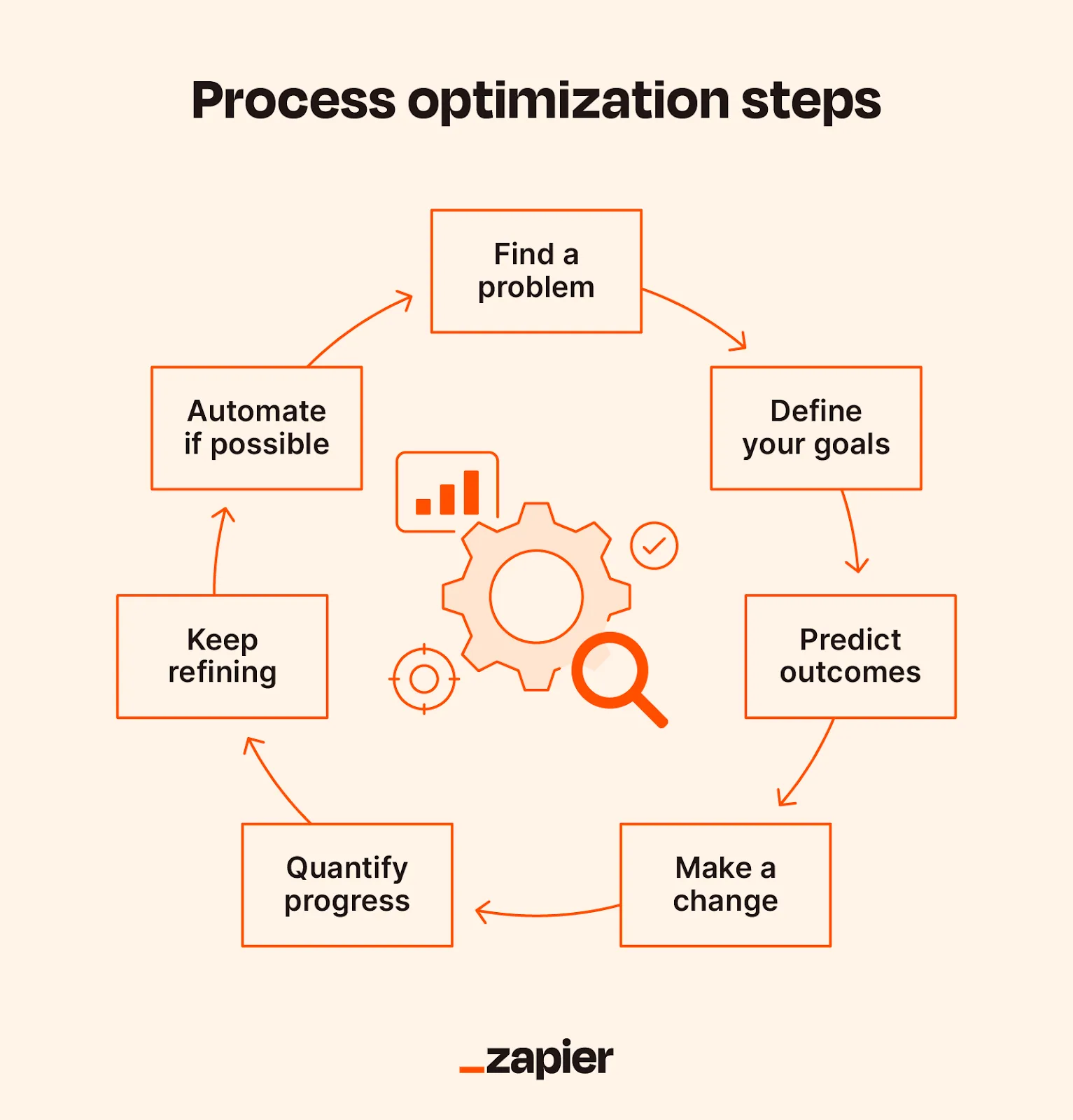
Cutting costs once is not enough. You need to maintain discipline as your system evolves.
You ensure that new tools are only added when absolutely necessary and after evaluating existing capabilities.
You regularly review your stack to identify and remove redundancy.
You continue refining your workflows so that they remain efficient and scalable.
Common Mistakes That Make This Worse
One of the most common mistakes is adding tools to solve temporary problems, which creates long-term cost.
Another mistake is not reviewing subscriptions regularly, which allows unused tools to accumulate.
Some teams attempt to integrate everything instead of simplifying, which increases complexity.
The most critical mistake is assuming that more tools mean better workflows, when in reality they often create more friction.
Conclusion: Costs Grow When Systems Don’t Evolve
If your tool costs are spiraling out of control, it is not because tools are inherently expensive, it is because your system is not structured to scale efficiently.
Once you consolidate your workflows, eliminate redundancy, and centralize execution, costs naturally decrease while efficiency improves.
You can continue adding tools as new problems arise, but as your operation grows, the cost will grow with it.
At some point, you either build a system that minimizes tool dependency or use one that already does.
That is where platforms like Appilot fit in, not as another tool, but as a way to reduce reliance on multiple tools and create a streamlined, scalable workflow that keeps both costs and complexity under control.